
Search
Find a guide or reference entry. Search covers content in your selected language.
65 results
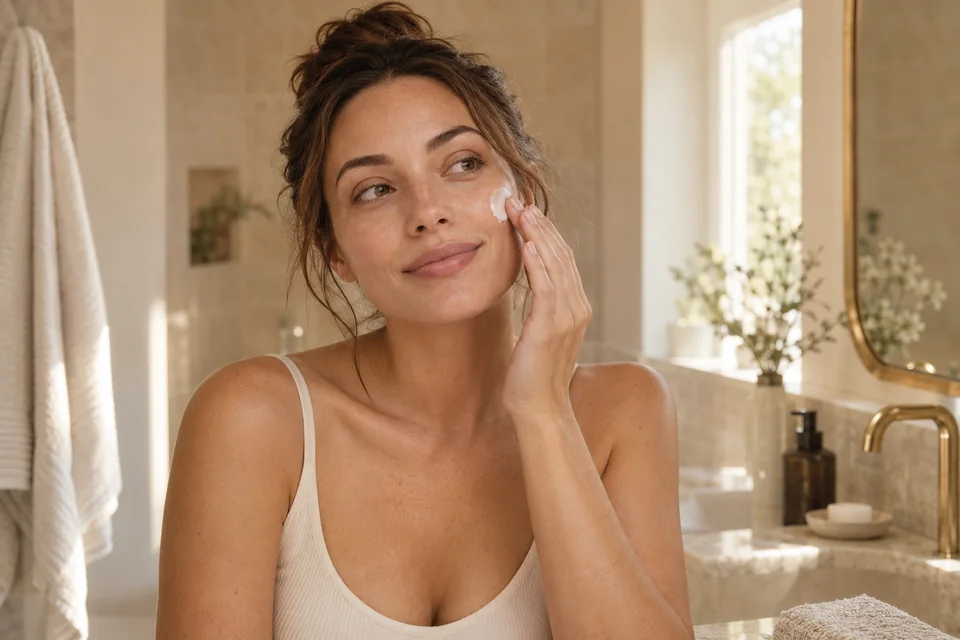
A simple skincare routine that earns its place
Cleansing, moisturising and protection: organise three functions around comfort rather than collecting products.
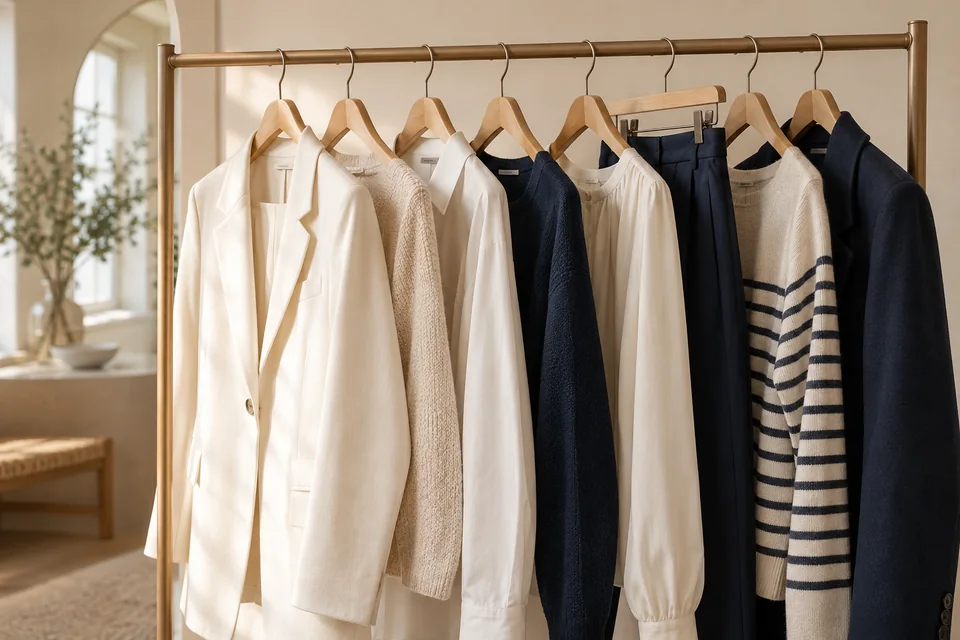
Build a capsule wardrobe without starting over
Make more outfits from clothes you already own.
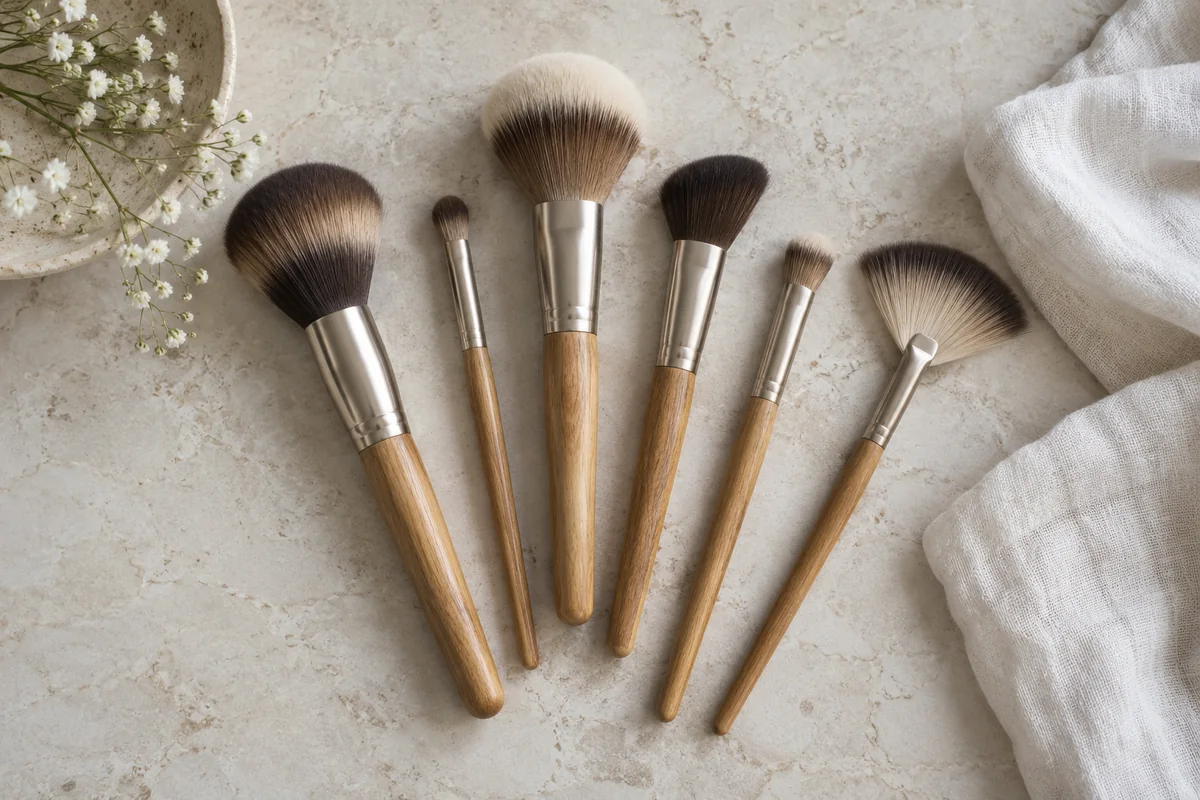
A makeup kit you will actually use
Start with habits you enjoy rather than a compulsory shopping list.
Choose sunscreen beyond its SPF
Read the label and choose an application habit you can maintain.
Read an INCI list without overinterpreting it
Identify ingredient names without assuming guaranteed effectiveness or tolerance.
Introduce new skincare methodically
Reduce simultaneous changes and recognise poor tolerance.
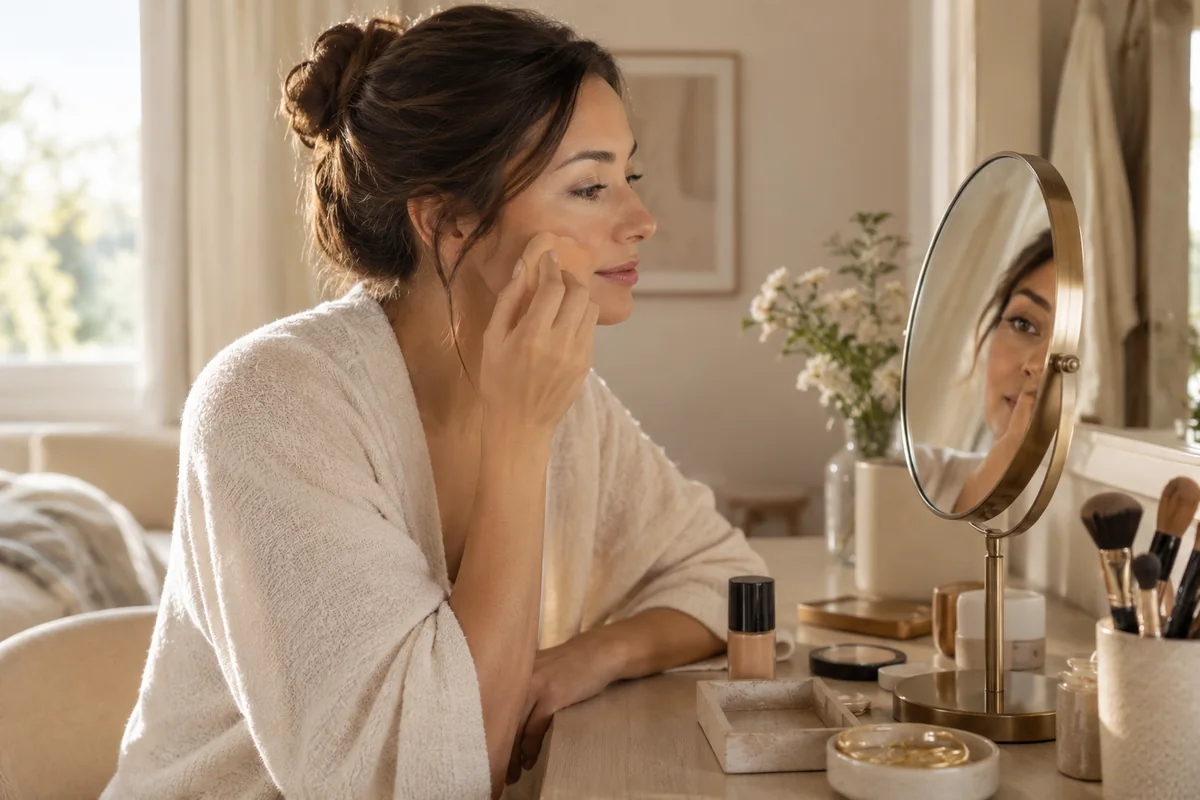
Choose foundation in natural light
Test shade, finish and comfort rather than trusting the bottle.
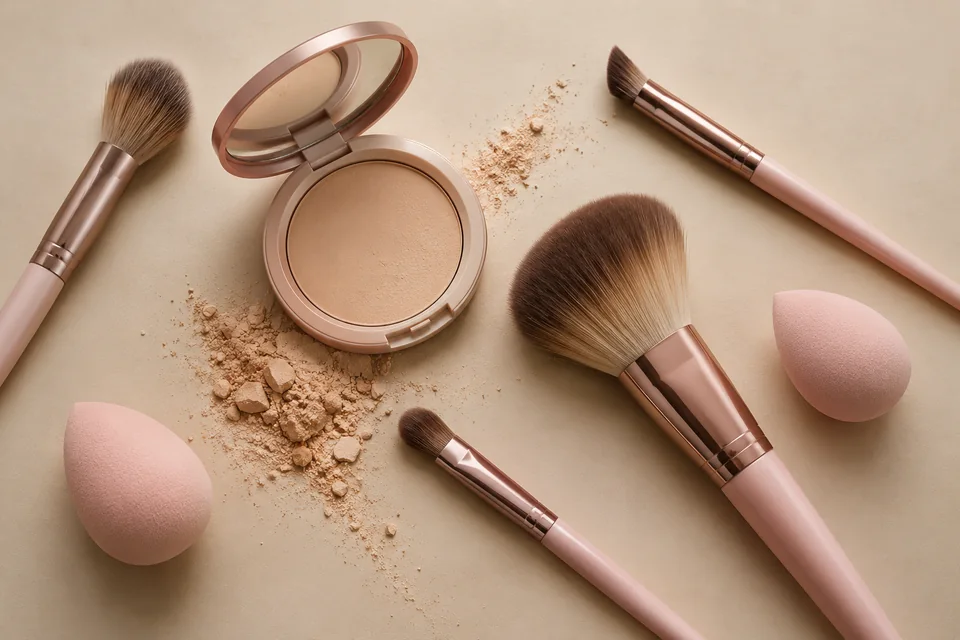
Cream or powder textures: how to decide
Compare application, finish and touch-ups instead of seeking a universally better texture.
Care for makeup brushes and sponges
Organise regular hygiene following each tool’s instructions.

Wash hair according to actual needs
Separate scalp and lengths when adjusting your wash.
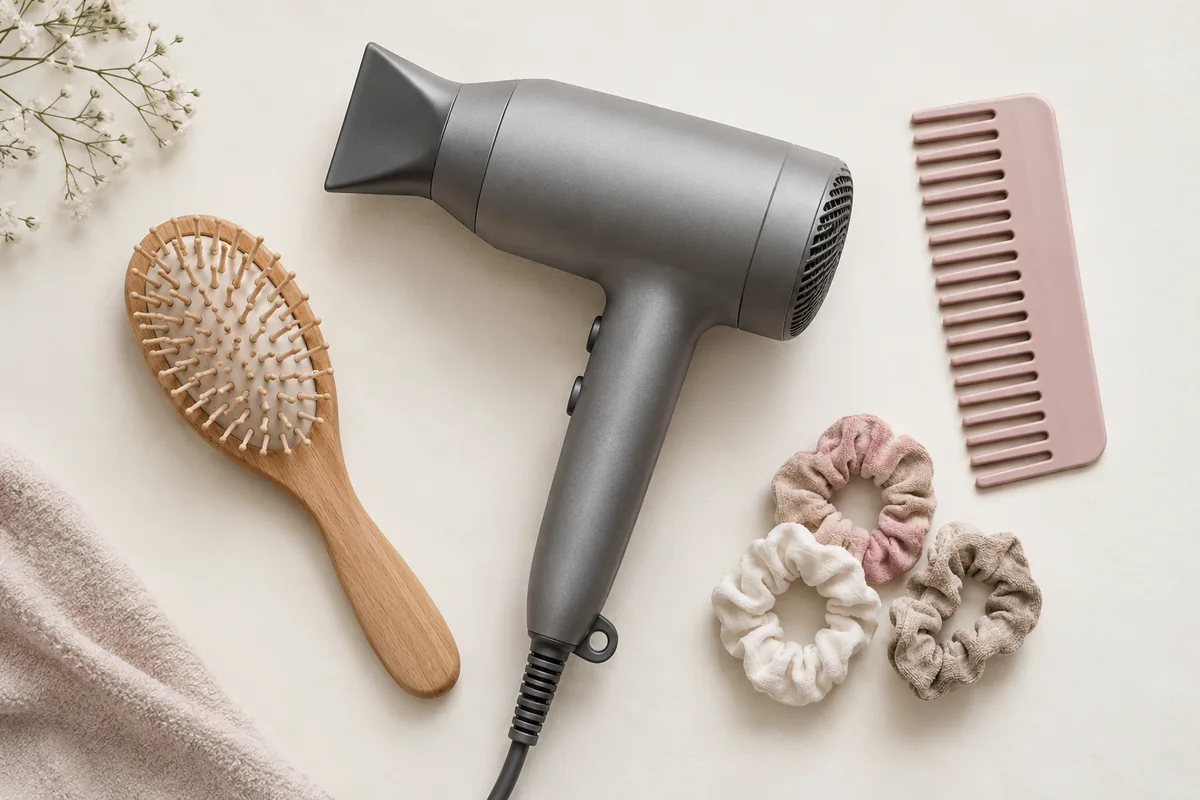
Detangle hair without unnecessary pulling
A gradual method adapted to texture and condition.
Heat styling: reduce unnecessary handling
Prepare to avoid repeated passes over the same strands.
Prepare for a salon appointment
Clarify maintenance and desired length before cutting starts.
Fashion budget: purchase price or cost per wear?
Compare expected use without confusing economy and quality.
Combine colours without rigid rules
A visual exercise for a personal, reusable palette.
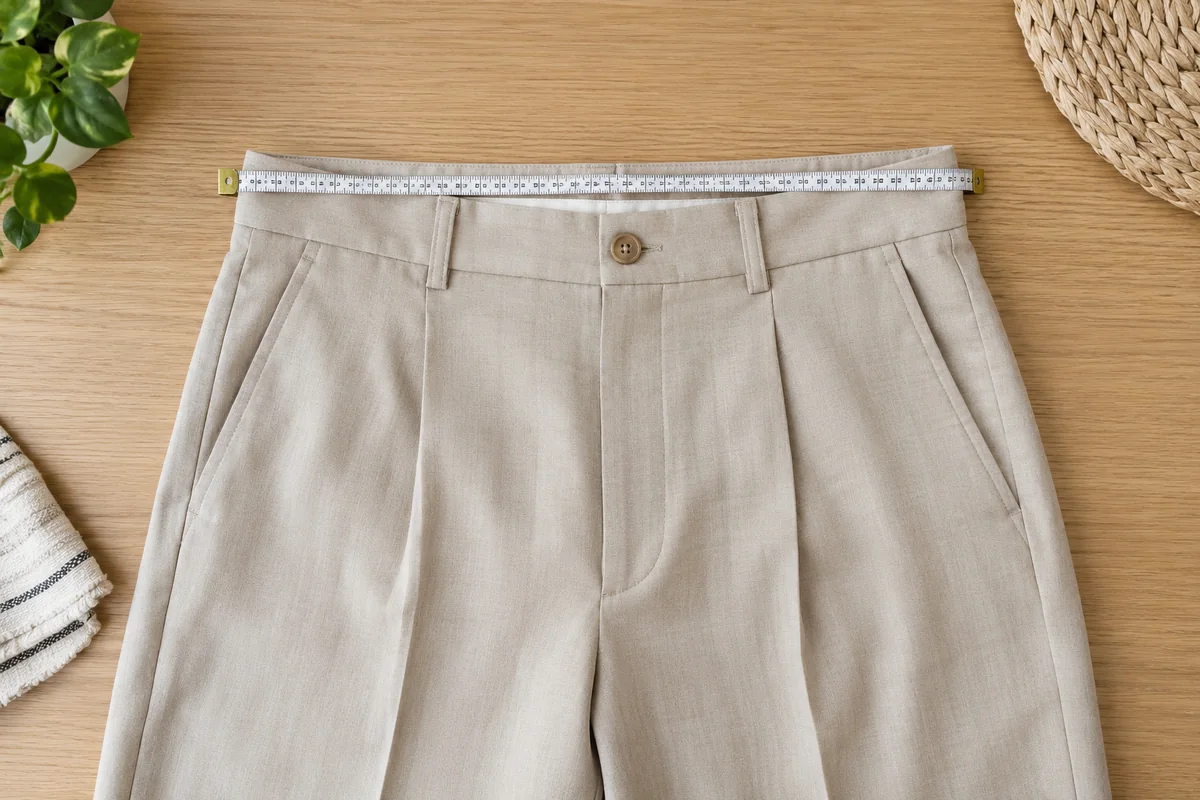
Try on clothing: details that matter
Assess comfort and fit in motion beyond the size label.
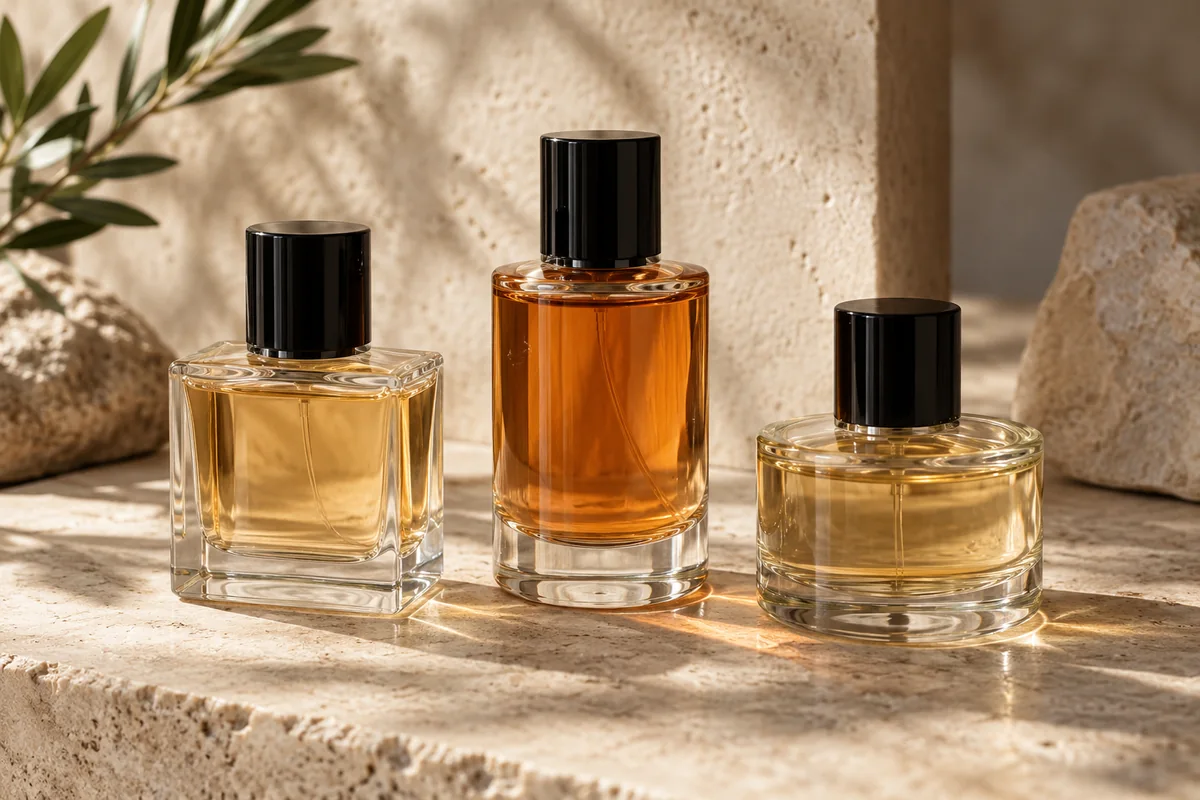
Test fragrance without rushing
Compare a few options, let them develop and observe before deciding.
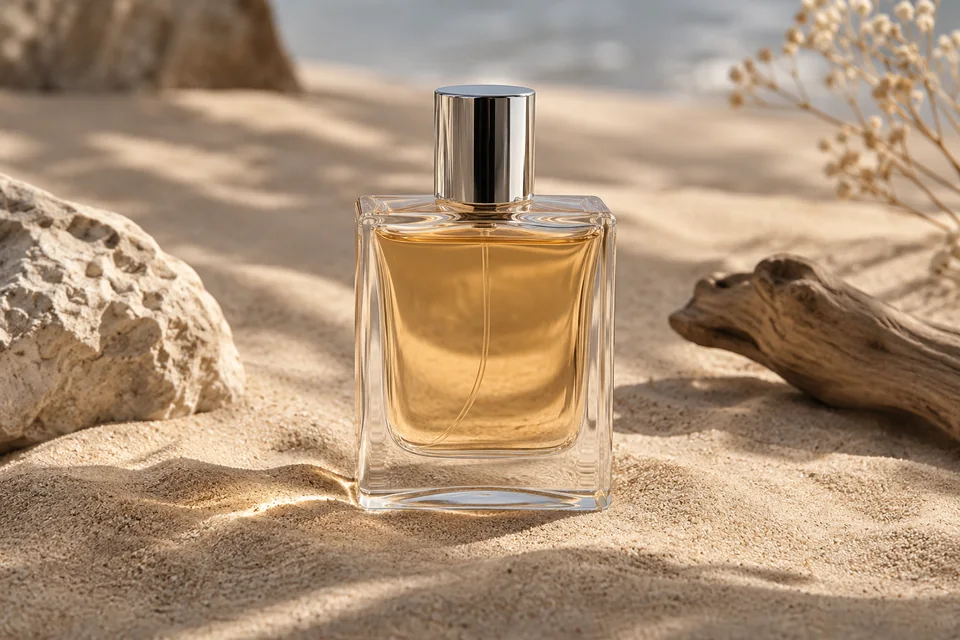
Scent families: vocabulary for choosing
Use descriptions as reference points, not complete recipes or imposed identities.
Eau de toilette or eau de parfum: compare carefully
Labels do not replace testing the exact reference.
Store fragrance and organise its use
Prioritise instructions, stable storage and opening records.
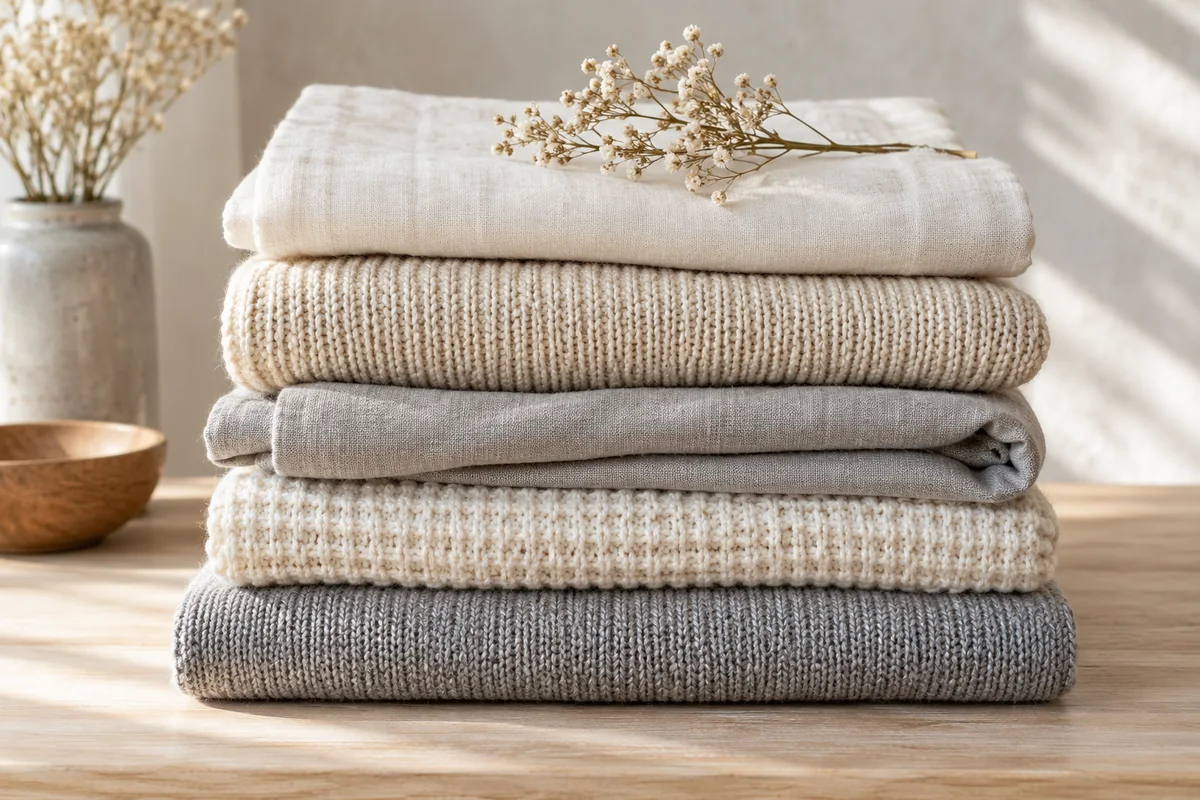
Read a clothing label before buying
Separate composition, care and marketing claims.
Natural, clean, sustainable: what evidence to seek?
Replace reassuring words with verifiable questions.
Make clothes last: a care method
Organise washing, storage and small repairs around the actual garment.
Buy second-hand clothing with a real check
Ask specific questions and assess condition before price.
Body care: a comfortable routine after showering
Choose habits and a texture you can use regularly.
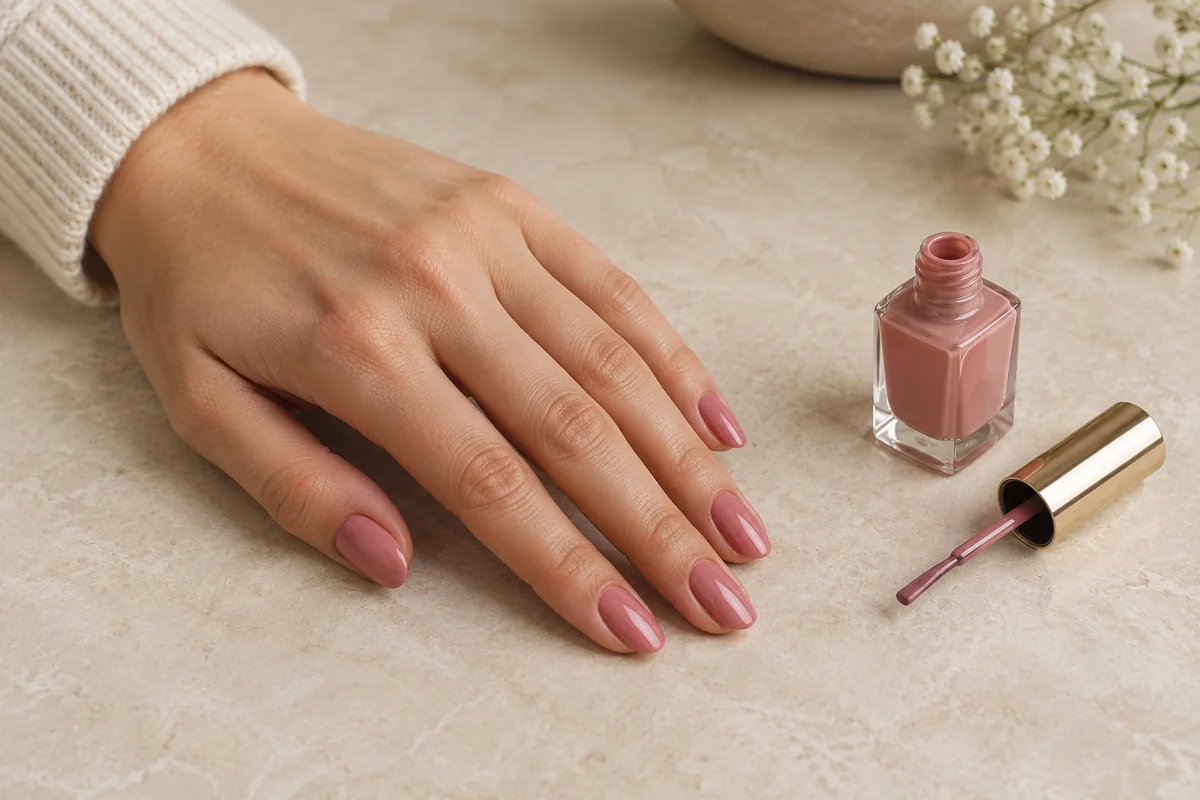
Simple manicure: care, hygiene and limits
Prepare nails without confusing appearance and treatment.
Curly hair: organise a repeatable routine
Separate washing, detangling and styling results to identify what suits you.
Define brows without imposing a shape
Observe the existing line and gradually add definition.
Cosmetic dates and storage: build an inventory
Separate opening date, durability and actual condition to keep each product’s instructions available.
Adapt daytime makeup for an evening
Change one effect without rebuilding your makeup bag.
Plan styling that fits your morning
Organise time, tools and goals to reduce improvised steps.
Compare measurements for online clothing purchases
Understand charts and ask for useful dimensions.
Keep a perfume comparison notebook
Separate impressions, trial conditions and cost to choose an exact version.
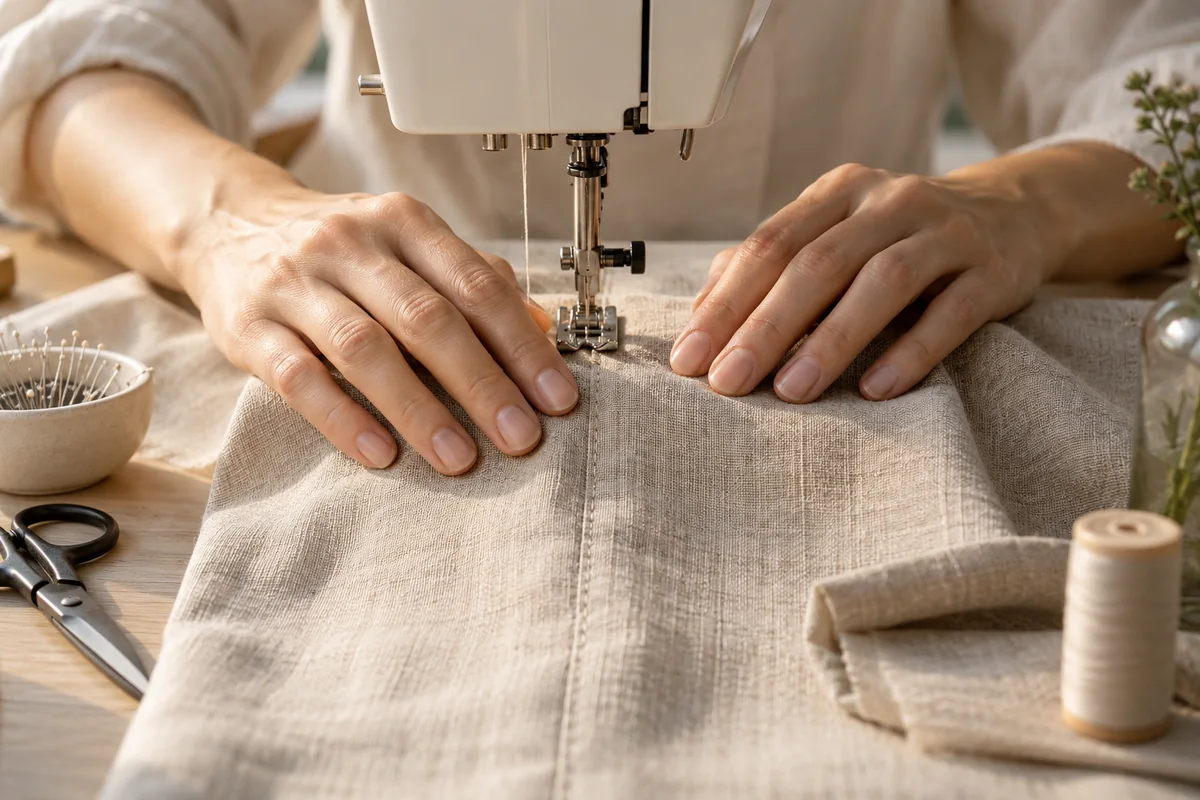
Repair, alter or replace a garment?
Compare whole-piece condition, feasibility and useful cost.
Fragrance allergens: reading labels during the EU transition
Understand different labels and prepare a targeted check.
Wash and dry makeup brushes
Plan washing, drying and storage with attention to the whole tool.
Plan five outfits from your own wardrobe
Try complete combinations for a realistic week and identify specific gaps.
Plan laundry from garment labels
Group clothes according to their actual washing and drying constraints.
Sample, small or large perfume bottle: compare useful cost
Separate unit price, upfront spending and the quantity you actually want.
Compare makeup in different lighting
Observe shade, amount and finish without relying on one photograph.
Choose clips, combs and ties for your hairstyle
Compare use, handling and comfort before collecting extra accessories.
Prepare a useful question about a cosmetic
Collect the reference, label and context to obtain a usable manufacturer response.
Write a useful second-hand clothing listing
Document photographs, measurements and flaws without claiming unverified quality.
Textile blends: understand percentages without guessing quality
Read a multi-fibre composition alongside the finished garment.
Makeup removal: a gentle approach
Match removal to the makeup worn and product instructions.
Drying hair: plan a suitable method
Compare air drying and a hairdryer using practical criteria.
Ingredients & materials
Glycerin
A common humectant identified by INCI GLYCERIN.
Explore ↗Cosmetic ingredientsDimethicone
A silicone polymer used in different cosmetic formulas.
Explore ↗Cosmetic ingredientsPanthenol
A conditioning ingredient, distinct from a medical promise.
Explore ↗Cosmetic ingredientsSodium hyaluronate
A hyaluronic acid salt identified by SODIUM HYALURONATE.
Explore ↗Textile fibresCotton
A plant fibre from cotton-plant seeds.
Explore ↗Textile fibresLinen
A plant fibre from flax stems.
Explore ↗Textile fibresWool
A natural fibre from sheep fleece.
Explore ↗Textile fibresSilk
An animal fibre produced by silk-secreting insects.
Explore ↗Textile fibresViscose
A regenerated cellulose fibre made by the viscose process.
Explore ↗Textile fibresLyocell
Regenerated cellulose fibre made through dissolution and organic-solvent spinning.
Explore ↗Textile fibresPolyester
A synthetic fibre family with varied uses.
Explore ↗Textile fibresPolyamide
A synthetic fibre also described as nylon in textile references.
Explore ↗Textile fibresElastane
A synthetic elastic fibre often used in blends.
Explore ↗Textile fibresModal
A regenerated cellulose fibre, distinct from cotton.
Explore ↗Textile fibresAcrylic
A synthetic fibre used in knitted fabrics among other applications.
Explore ↗Textile fibresHemp
A plant fibre from the hemp stem.
Explore ↗Textile fibresCashmere
Cashmere is hair from the kashmir goat in European nomenclature, distinct from sheep wool.
Explore ↗Textile fibresCupro
Cupro is regenerated cellulose obtained by the cuprammonium process in the European definition.
Explore ↗Textile fibresAcetate
Acetate is a cellulose acetate fibre in European nomenclature, chemically distinct from triacetate.
Explore ↗Practical methods without rankings or guaranteed results.
Institutional sources, limitations and consultation dates.
Ideas to adapt to your taste, needs and budget.