Observe one week
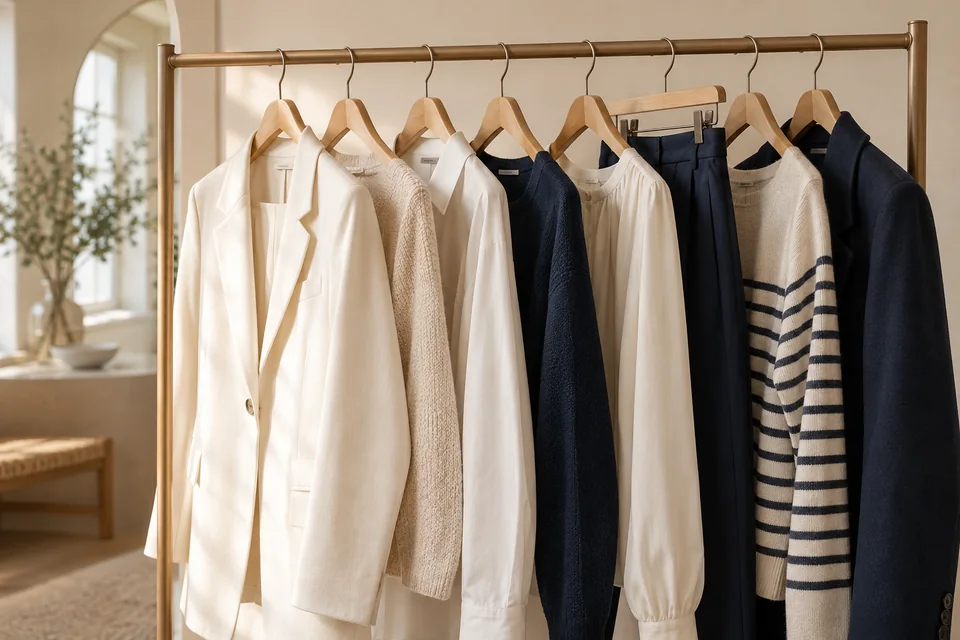
List work, travel, home and social situations. Pull out the clothes you actually wear. A capsule requires neither a universal item count nor beige colours: it should suit your climate, habits and preferences.
Try combinations
Take two favourite bottoms and pair three tops with each. Photograph successful outfits. Check footwear, layers and freedom of movement; an attractive hanger arrangement may be impractical during the day.
Buy a specific gap
If one item would complete several outfits, define fit, colour and care needs before shopping. Keep room for occasional clothing. Review seasonal changes using what you actually wore.
Identify blocked outfits
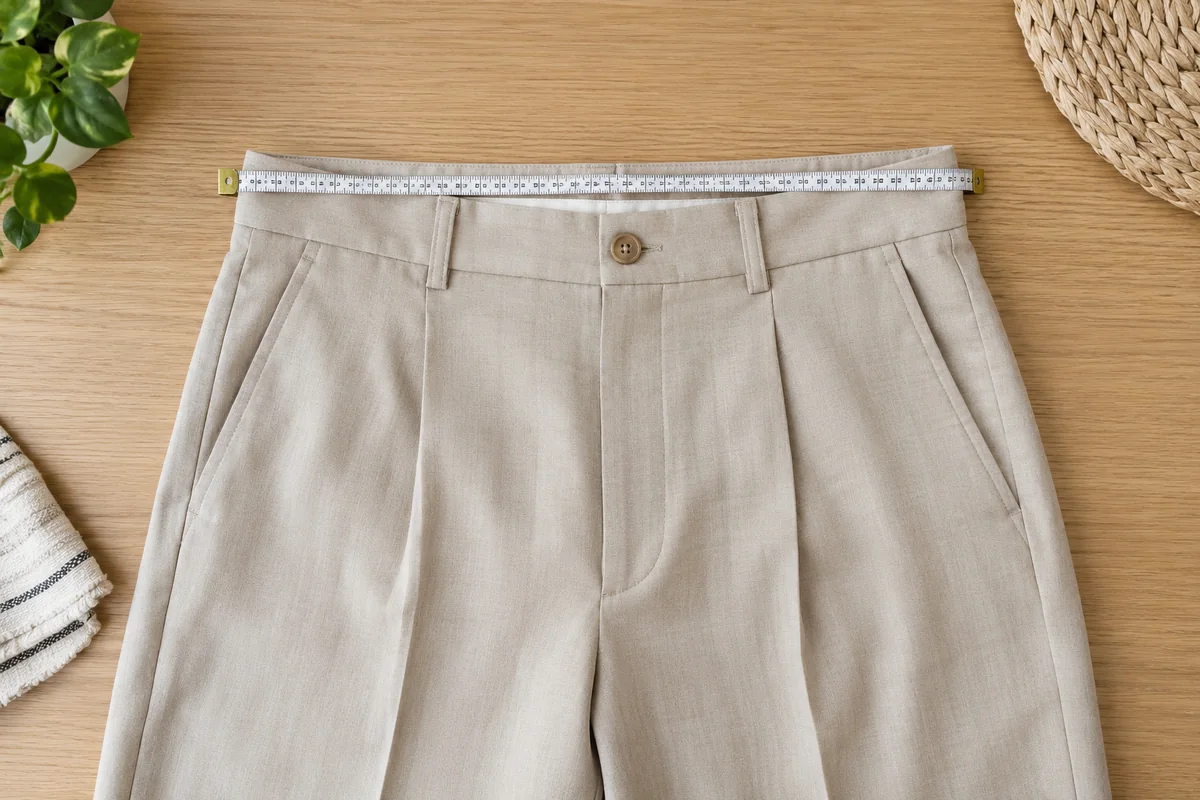
Separate pieces without a matching item, those awaiting repair and those no longer suited to your activities. Try an outfit or feasible alteration first. A precise needs list avoids buying another top that solves no gap.
Check garment availability
Add an availability column: clean, washing or repair. A versatile piece cannot serve planned outfits while unavailable. Match combinations to laundry and drying before concluding your capsule needs more clothes.
| What to examine | Practical check | Useful decision |
|---|---|---|
| Travel | Movement and weather | Compatible layers and shoes |
| Seated work | Comfort when sitting | Cut allowing your movements |
| Rarely worn item | Specific reason for non-use | New combination, alteration or removal |
Your checklist
- Start with a real week
- Test complete outfits
- Buy for a named gap
Frequently asked questions
Must I keep only thirty items?
No. No number suits every job, climate or activity. Coherent use matters more than the total.
What about rare occasions?
Keep a separate group if used; these pieces need not work every week.
Sources & references
This method is an editorial suggestion to adapt to your taste, budget and everyday life. It is not based on product tests or brand rankings.