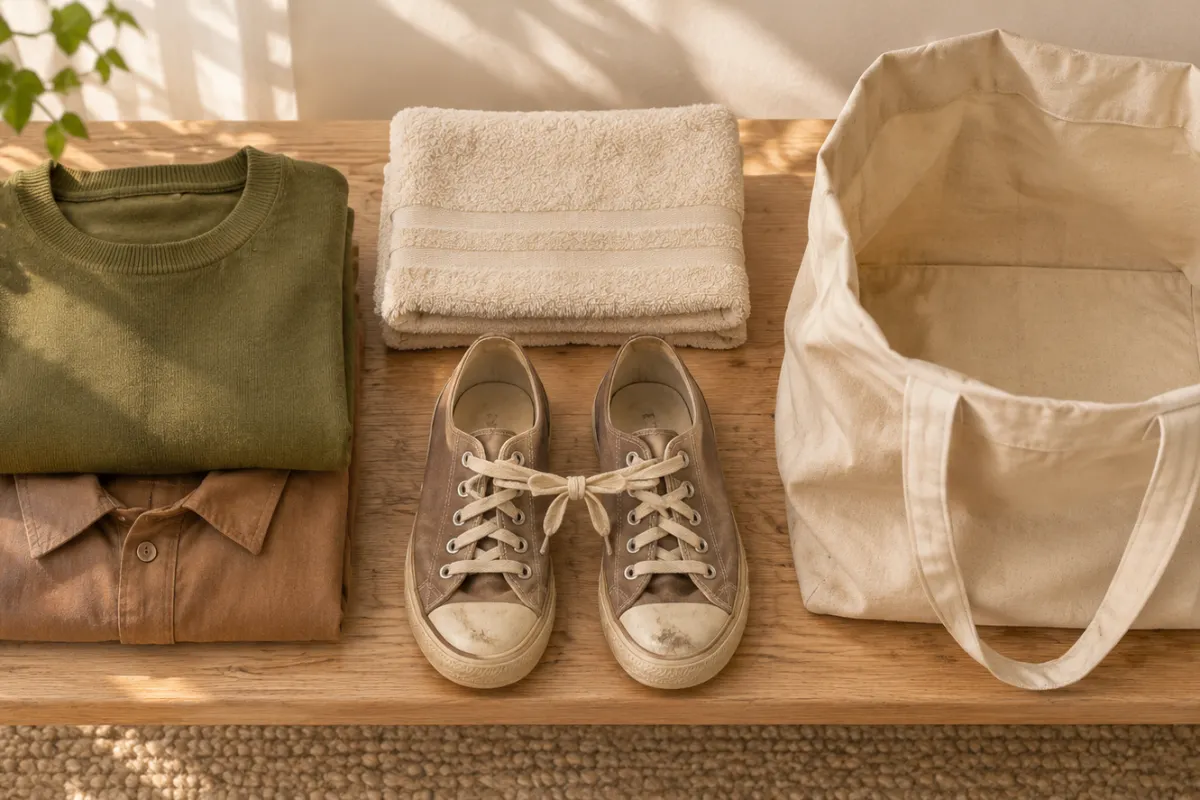
Keep usable items in circulation
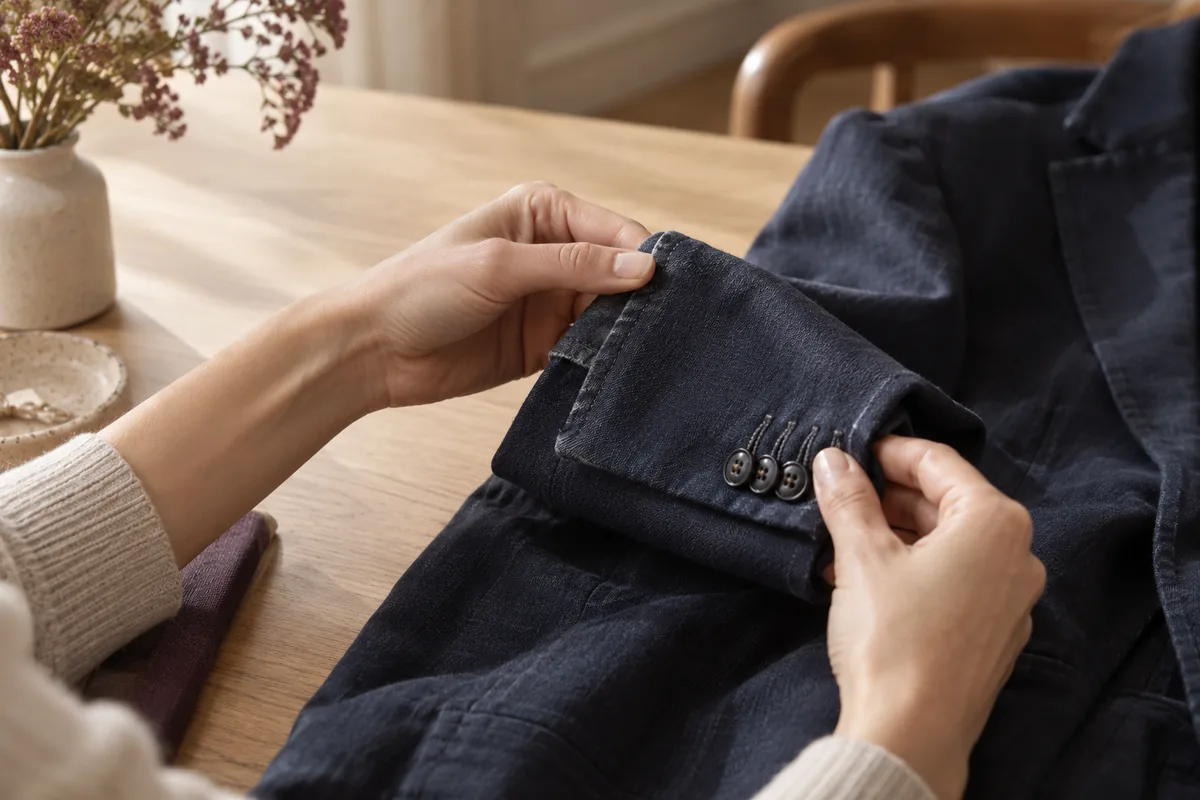
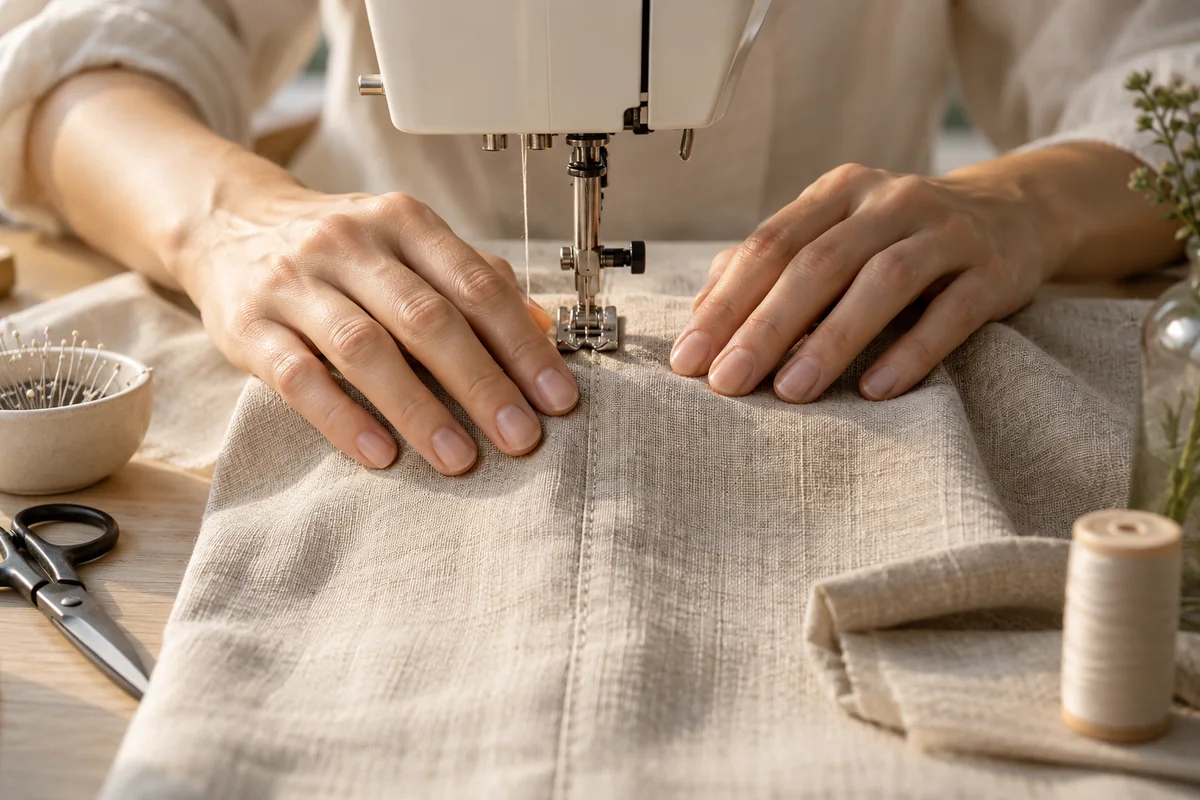
If an item can still be used, consider repair, resale or donation to an organisation that takes that type of item. Check for damage, empty the pockets and mention any faulty fastenings. For shoes, look at the condition of the soles as well.
Pack a bag for textile collection
French textile collection accepts clothes, household linen and everyday shoes even if damaged, provided they are clean and dry. Close the bag and tie shoes in pairs. A clean, dry T-shirt with a hole can go in a textile bank.
Set aside items that need another route
Keep wet or soiled textiles out of the textile bank. For material contaminated with hazardous paint or solvent, follow the instructions of your local waste centre. Specialist sports footwear, such as ski or cycling shoes, uses a separate collection route. ADEME directs people to take it back to a shop.
Confirm the drop-off point before leaving
Use the Refashion map to find a nearby location. Check what it accepts and how to access it, especially for shops and waste centres. If a textile bank is full, close your bag and find another point. Outside France, check local collection instructions.
Your checklist
Frequently asked questions
Can a garment with a hole go in a textile bank?
Yes, if it is clean and dry and the location accepts it. If you plan to keep wearing it, check whether repair is possible first.
Can textiles go in the French yellow bin?
Use a dedicated textile drop-off point for accepted items. The yellow bin is for packaging and paper.