
All practical guides
Browse skincare, makeup, hair, style, fragrance and responsible-choice guides. Choose a question, compare information and use the practical references directly on each page.
Skin & care
Explore ↗Start with simplifying habits, reading ingredients or trying a product. Discomfort does not always call for another purchase. Compare formula, instructions and context together.
Retinol and vitamin A in cosmetics: read the label
Check the three INCI names in scope, the EU limits by product category and the transition dates.
Read the guide ↗
Reporting a side effect after using a cosmetic in France
Find the official French portal and gather the details needed to report an effect you noticed after using a cosmetic.
Read the guide ↗
A simple skincare routine that earns its place
Cleansing, moisturising and protection: organise three functions around comfort rather than collecting products.
Read the guide ↗
Choose sunscreen beyond its SPF
SPF, UVA protection, water resistance and reapplication: compare label information to choose sunscreen for your intended use.
Read the guide ↗
Read an INCI list without overinterpreting it
Read an INCI list, find ingredients in CosIng and distinguish ingredient functions from the properties of a finished product.
Read the guide ↗
Introduce new skincare methodically
Reduce simultaneous changes and recognise poor tolerance.
Read the guide ↗
Body care: a comfortable routine after showering
Choose habits and a texture you can use regularly.
Read the guide ↗
Simple manicure: care, hygiene and limits
Prepare nails without confusing appearance and treatment.
Read the guide ↗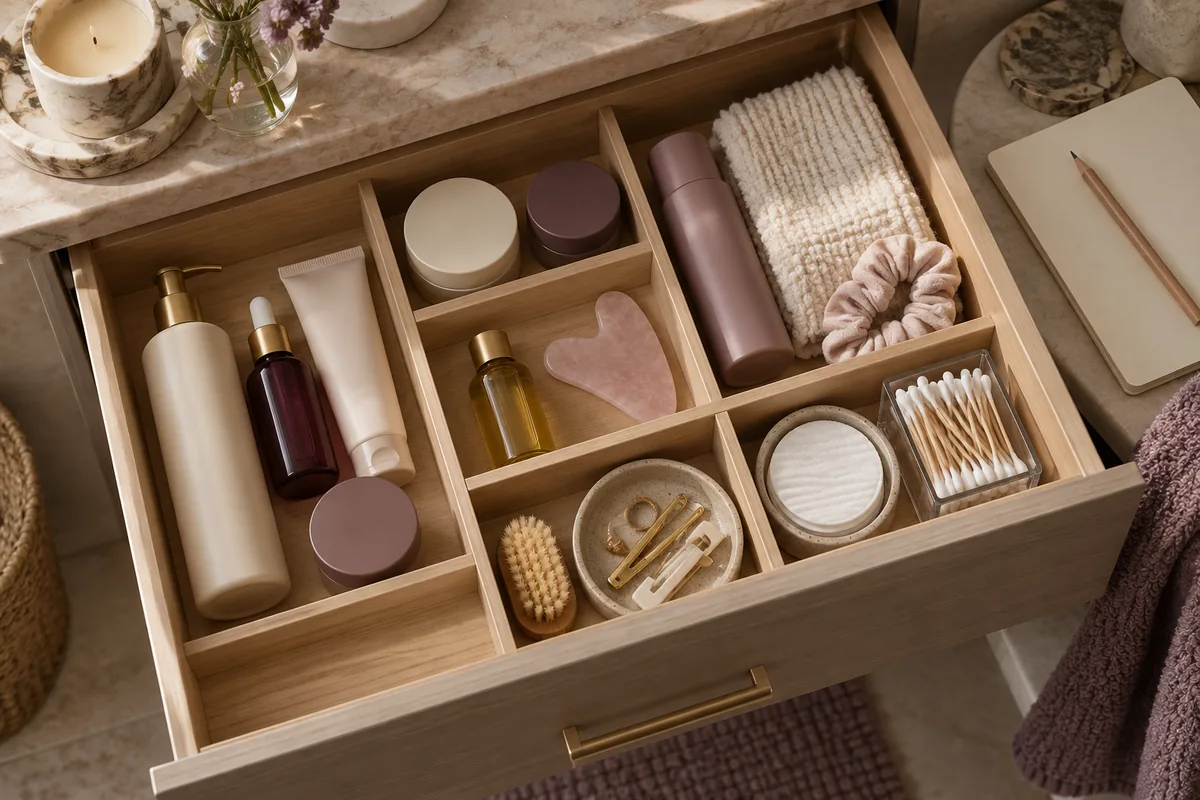
Cosmetic dates and storage: build an inventory
Separate opening date, durability and actual condition to keep each product’s instructions available.
Read the guide ↗AI-generated illustrationPrepare a useful question about a cosmetic
Collect the reference, label and context to obtain a usable manufacturer response.
Read the guide ↗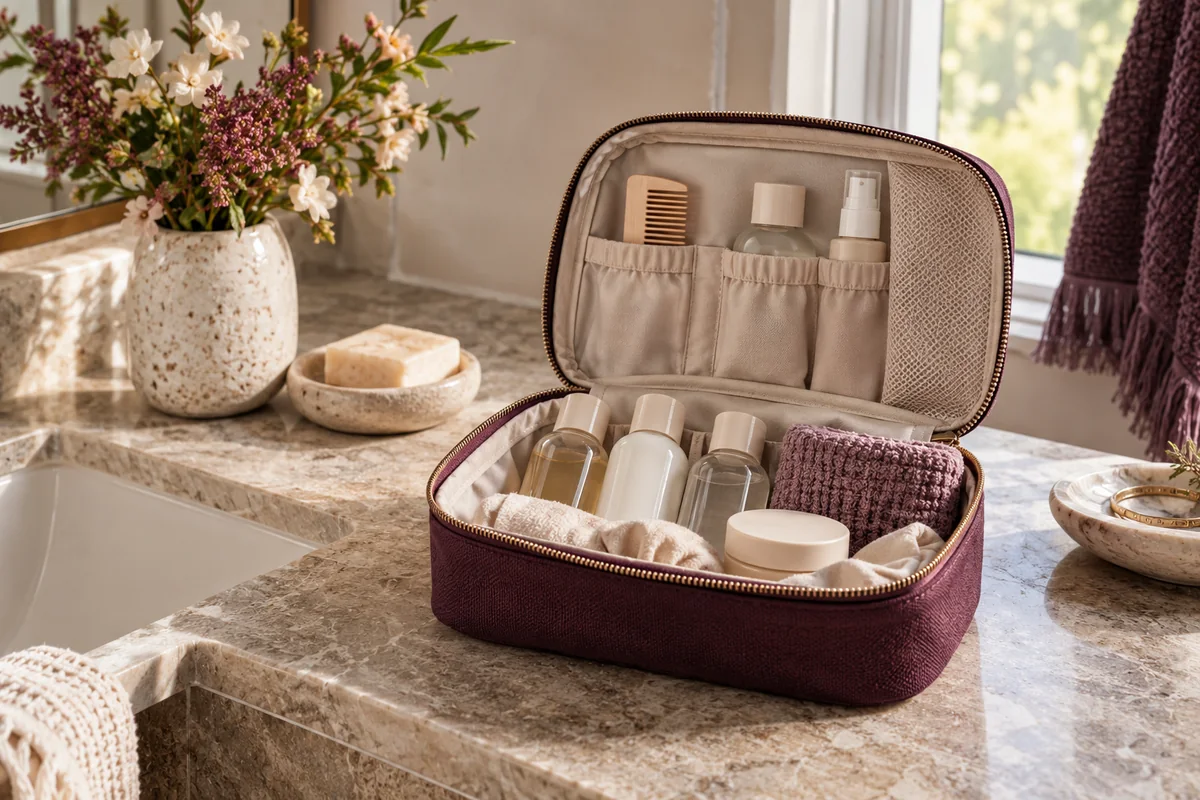
Cosmetics for travel: prepare an identifiable kit
Choose useful products, keep their information and organise the return.
Read the guide ↗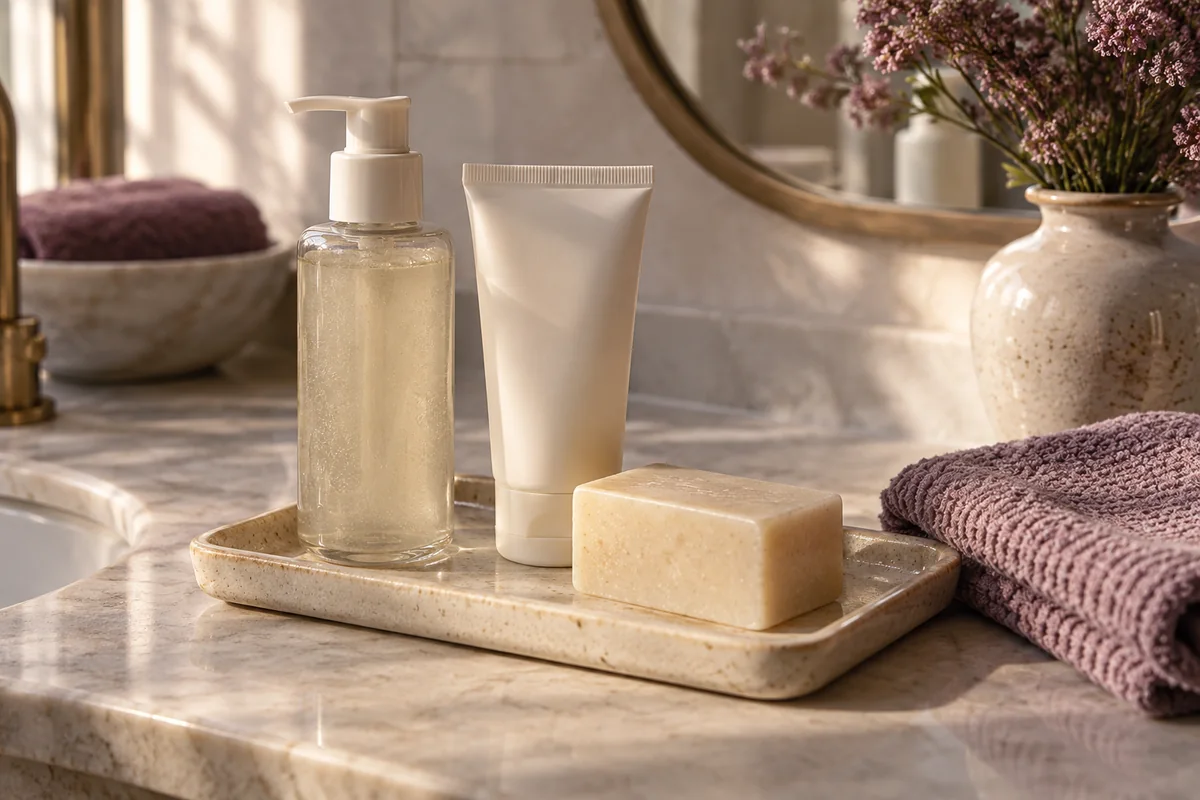
Solid or liquid cleanser: compare formats
Choose by intended area, handling and storage.
Read the guide ↗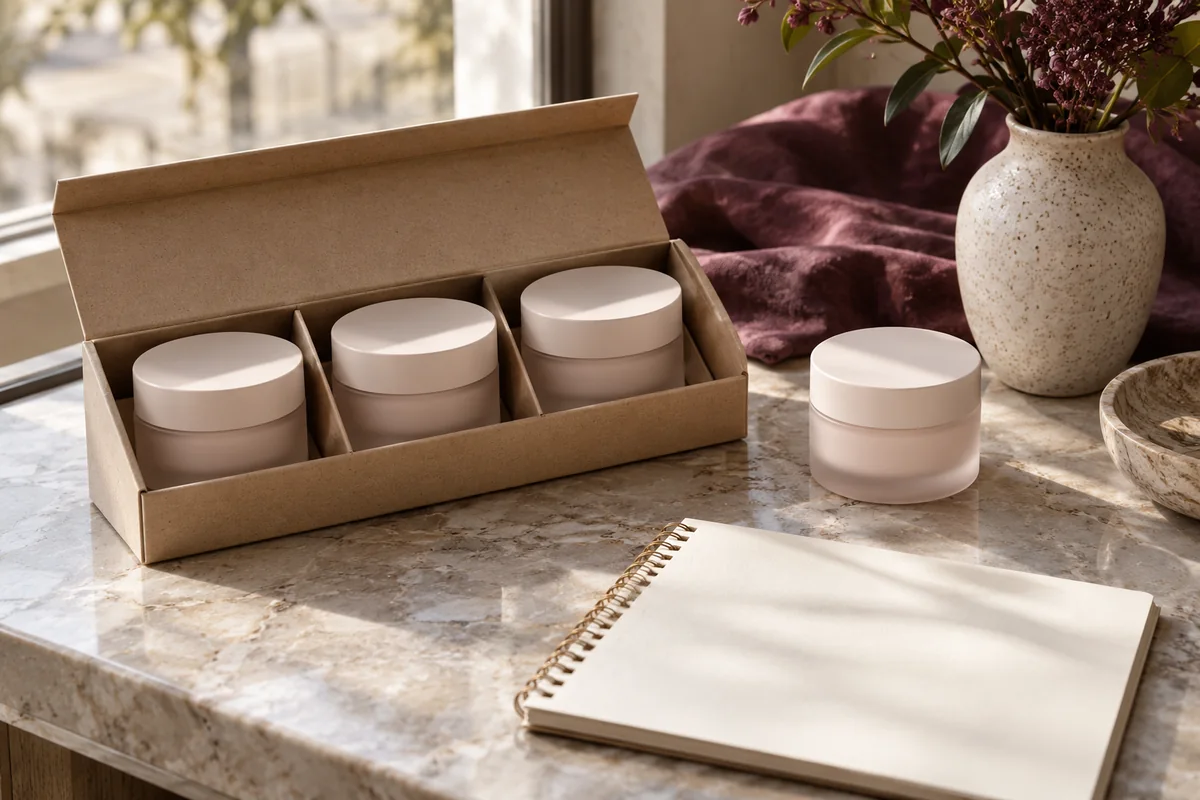
Cosmetic multipacks: compare without overstocking
Separate advertised savings, immediate spending and useful stock.
Read the guide ↗
How to check whether a cosmetic has been recalled
Find the official notice, compare the product and batch identifiers, and follow the instructions that apply to your item.
Read the guide ↗Makeup
Explore ↗Define the desired effect and available time first, then shade, texture and tool. Cleaning, removal and permitted areas matter alongside the mirror result.
A makeup kit you will actually use
Start with habits you enjoy rather than a compulsory shopping list.
Read the guide ↗
Choose foundation in natural light
Test shade, finish and comfort rather than trusting the bottle.
Read the guide ↗
Cream or powder textures: how to decide
Compare application, finish and touch-ups instead of seeking a universally better texture.
Read the guide ↗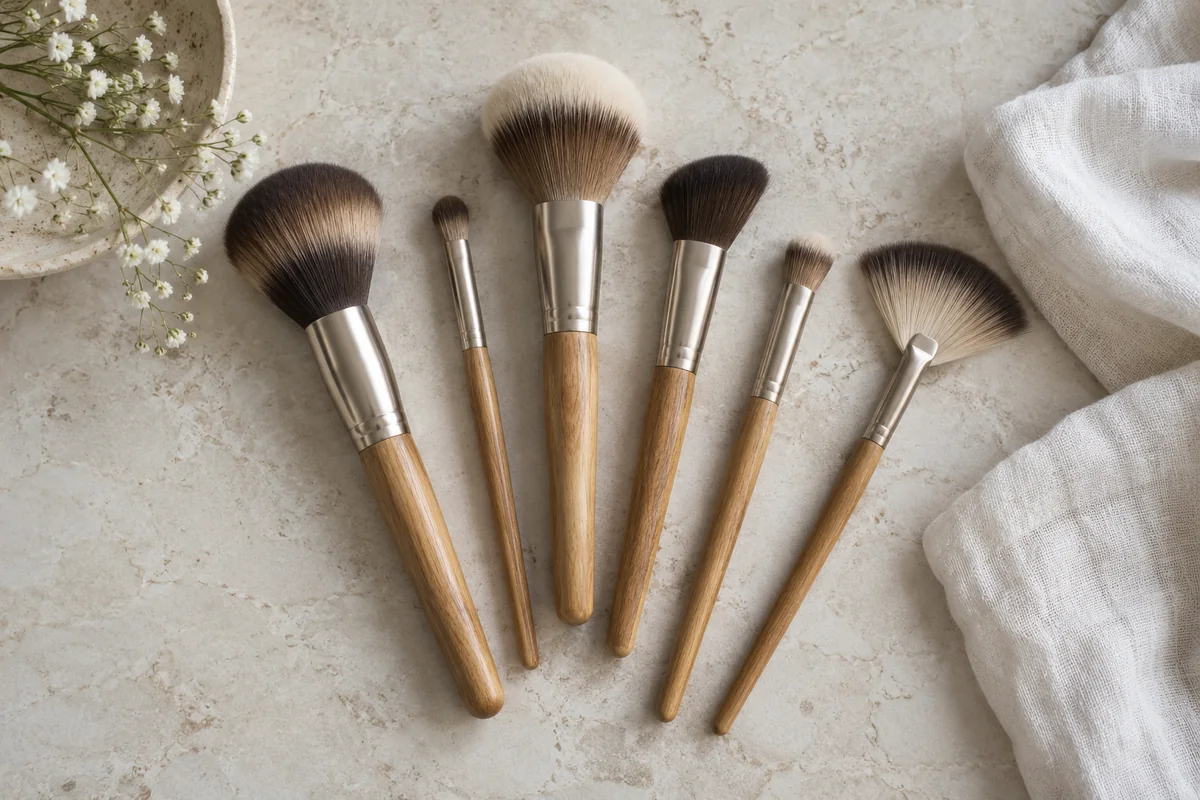
Choose makeup brushes and sponges for the way you apply makeup
Compare shapes, handling and intended uses to choose useful tools and plan their care.
Read the guide ↗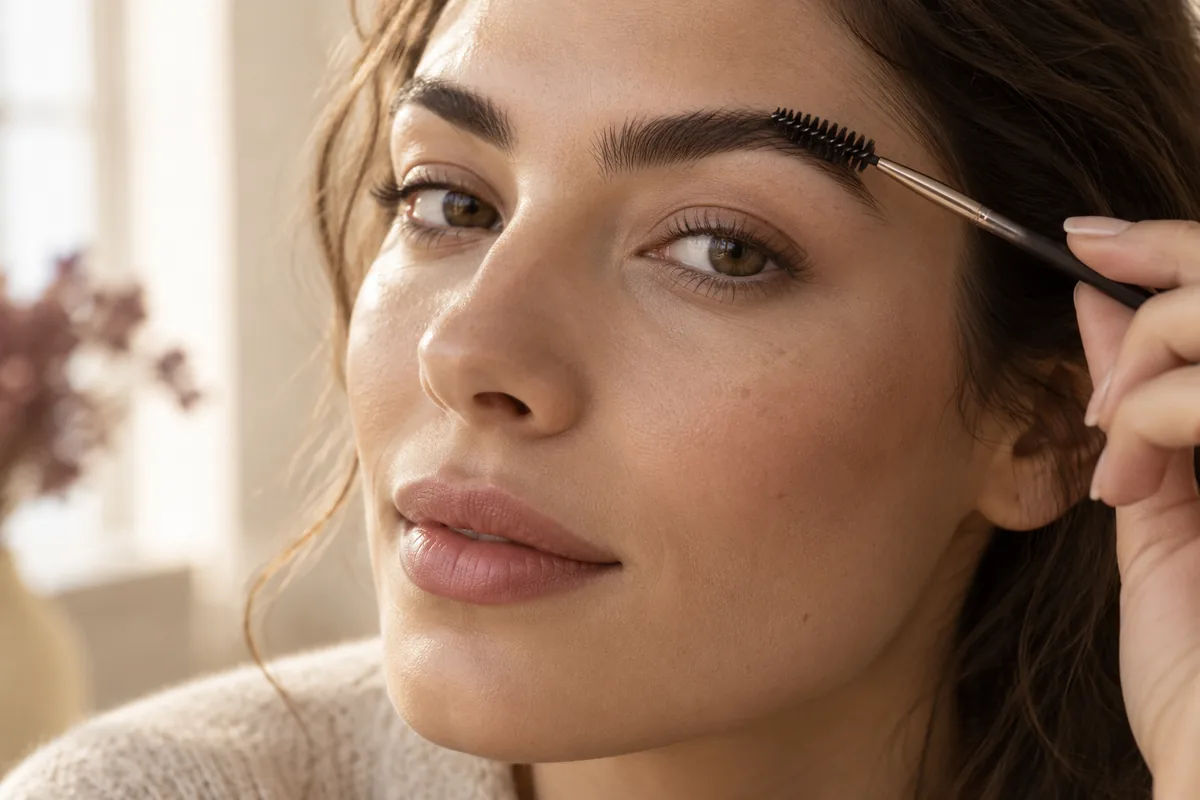
Define brows without imposing a shape
Observe the existing line and gradually add definition.
Read the guide ↗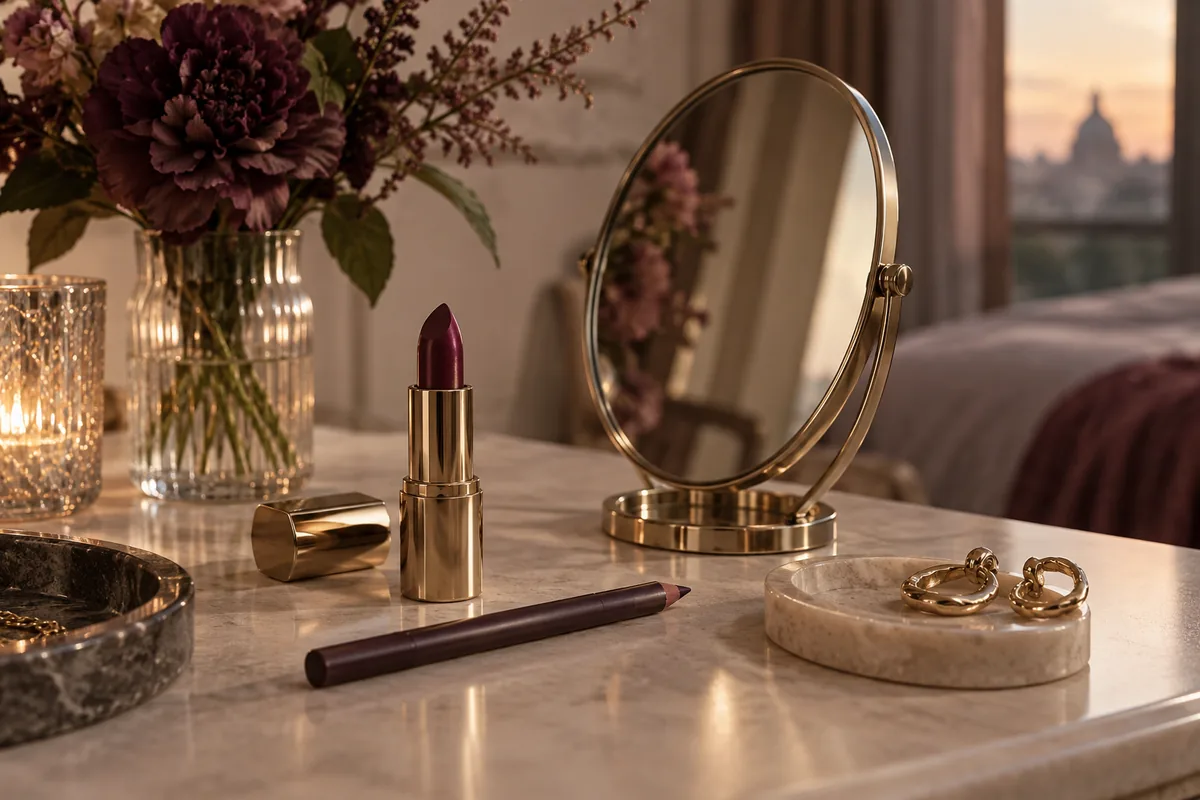
Adapt daytime makeup for an evening
Change one effect without rebuilding your makeup bag.
Read the guide ↗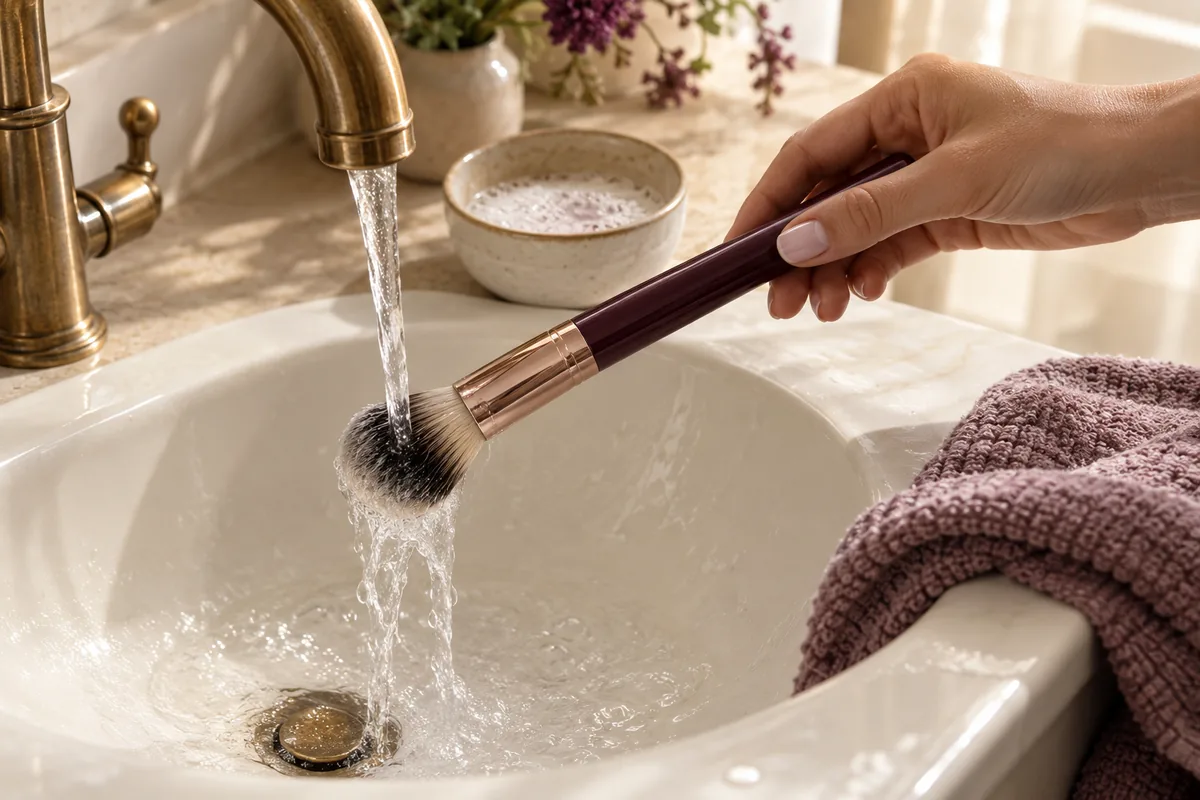
Wash and dry makeup brushes
Plan washing, drying and storage with attention to the whole tool.
Read the guide ↗
Compare makeup in different lighting
Observe shade, amount and finish without relying on one photograph.
Read the guide ↗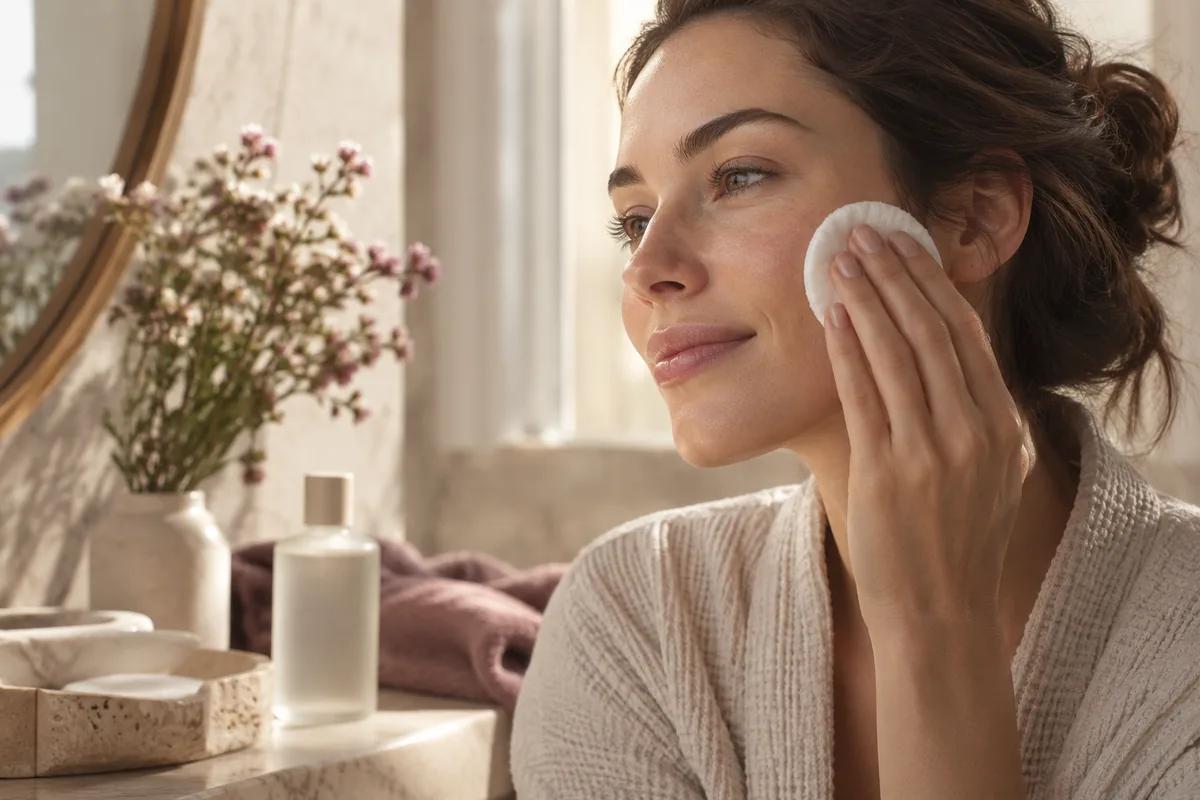
Makeup removal: a gentle approach
Match removal to the makeup worn and product instructions.
Read the guide ↗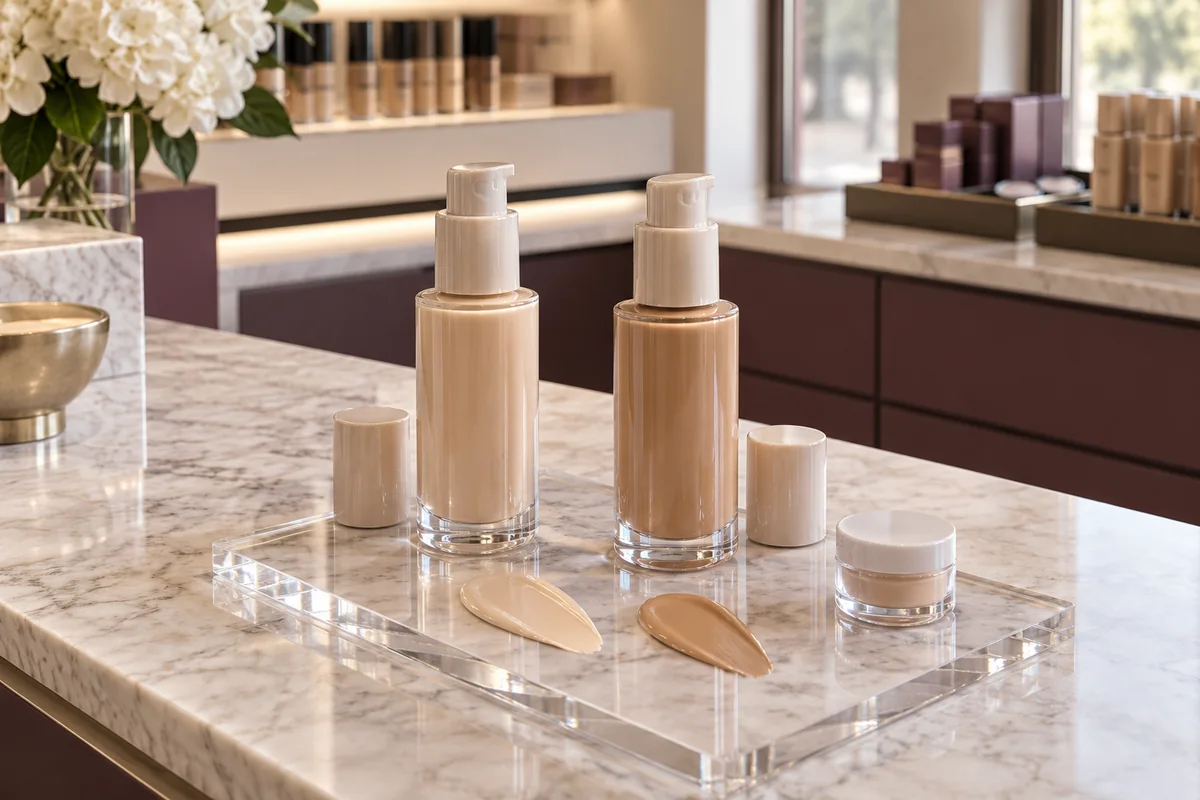
Trying makeup in a shop: plan a comparison
Compare references and trial conditions before buying.
Read the guide ↗
Choose a makeup mirror for your space
Check framing, stability, available space and maintenance.
Read the guide ↗Hair
Explore ↗Separate scalp, lengths and styling goal. Change one variable at a time: frequency, tool, amount or method. Include drying time and upkeep between sessions.

Wash hair according to actual needs
Separate scalp and lengths when adjusting your wash.
Read the guide ↗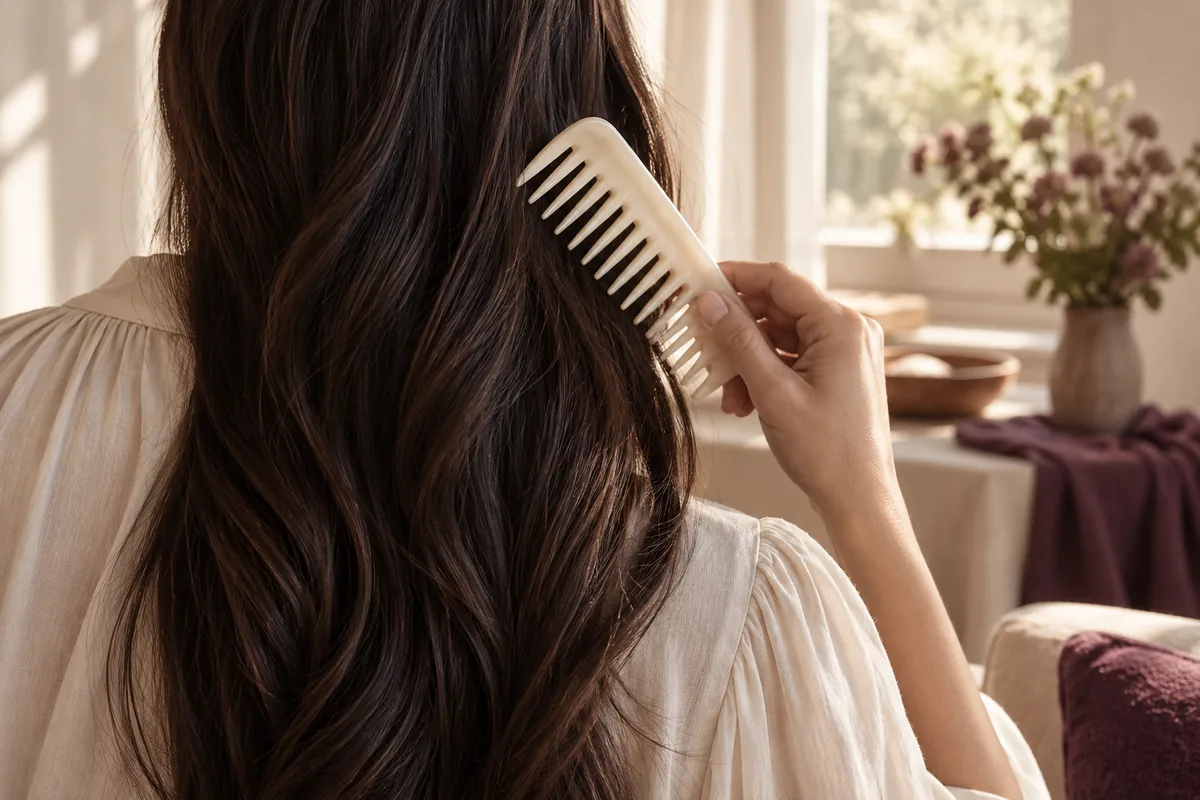
Detangle hair without unnecessary pulling
A gradual method adapted to texture and condition.
Read the guide ↗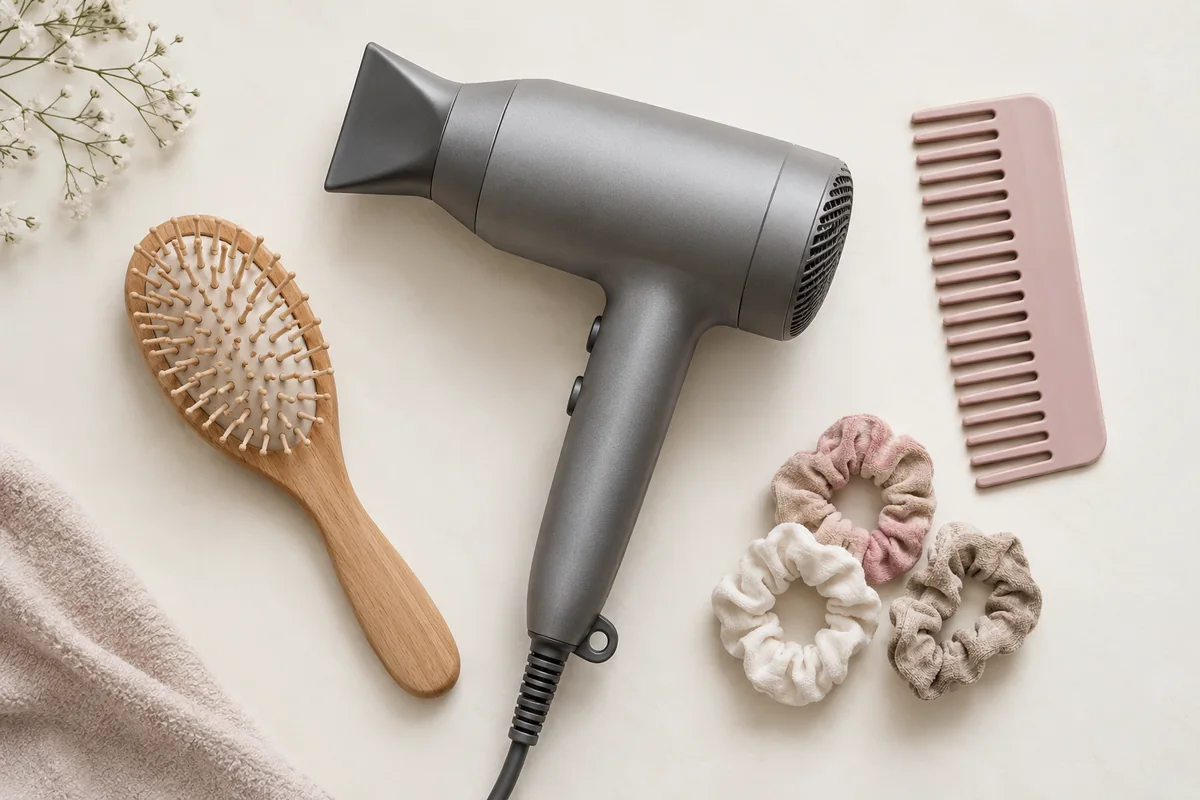
Heat styling: reduce unnecessary handling
Prepare to avoid repeated passes over the same strands.
Read the guide ↗
Prepare for a salon appointment
Clarify maintenance and desired length before cutting starts.
Read the guide ↗
Curly hair: organise a repeatable routine
Separate washing, detangling and styling results to identify what suits you.
Read the guide ↗
Plan styling that fits your morning
Organise time, tools and goals to reduce improvised steps.
Read the guide ↗
Choose clips, combs and ties for your hairstyle
Compare use, handling and comfort before collecting extra accessories.
Read the guide ↗
Drying hair: plan a suitable method
Compare air drying and a hairdryer using practical criteria.
Read the guide ↗
Brush and comb care: plan a compatible method
Identify components before choosing cleaning.
Read the guide ↗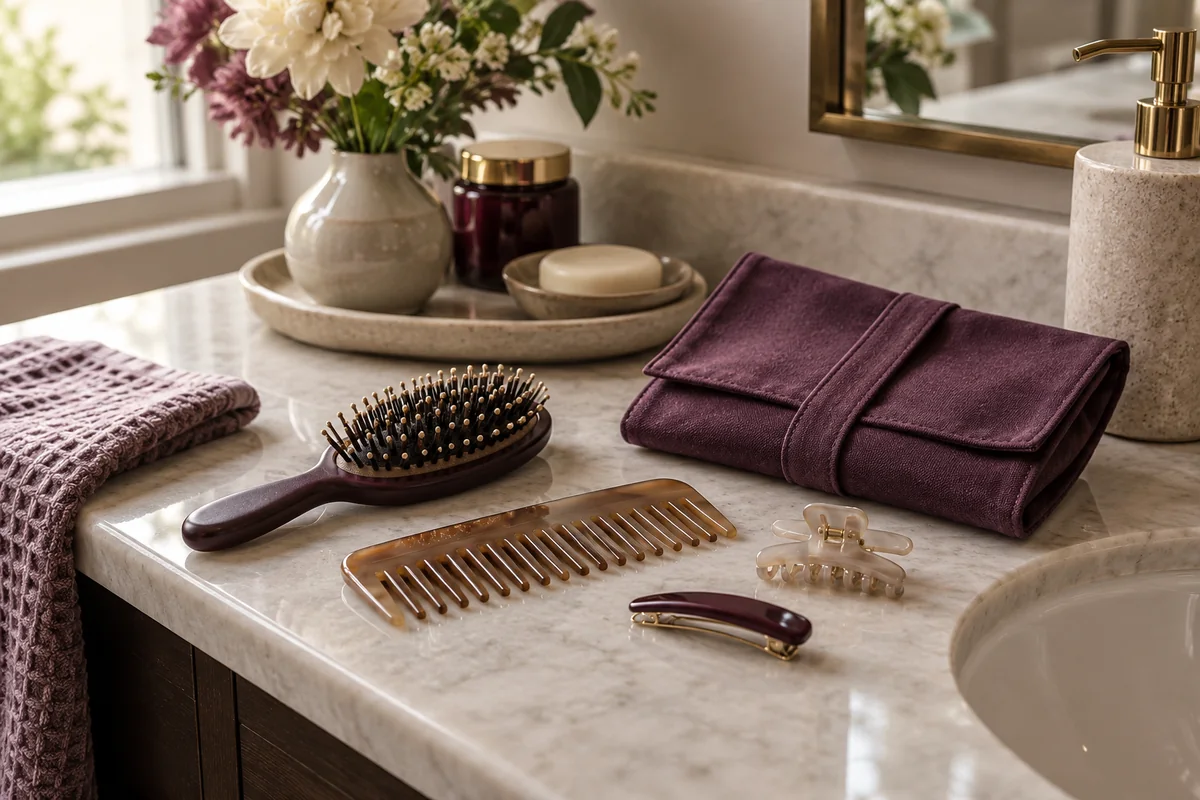
Styling away from home: plan a workable option
Adapt time and equipment without improvising a new use.
Read the guide ↗Style & fashion
Explore ↗Start with outfits you already wear. Check combinations, movement comfort and costs before adding items. Palettes and capsules are adaptable tools, without an ideal silhouette or required count.
Returning clothes or cosmetics bought online in the EU
Check who sold the item, when your withdrawal period ends and whether a seal matters. Keep a record of your withdrawal and return shipment.
Read the guide ↗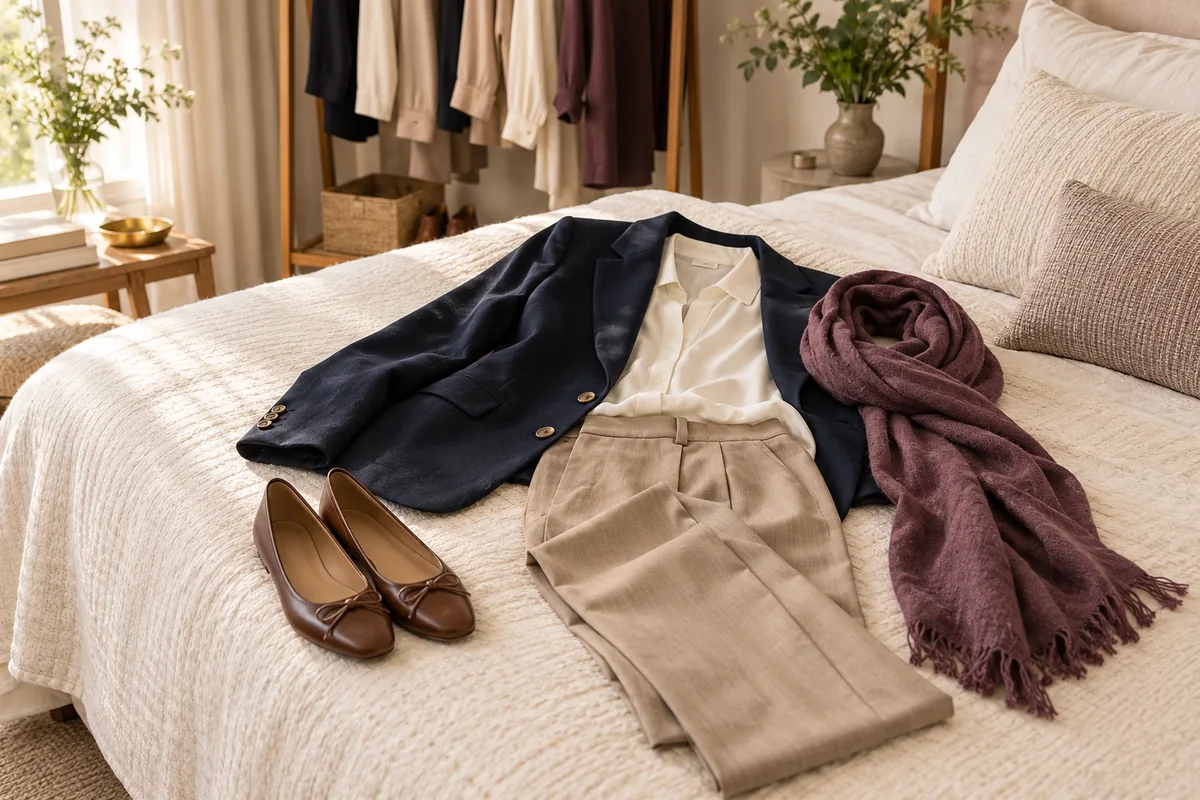
Build a capsule wardrobe without starting over
Make more outfits from clothes you already own.
Read the guide ↗
Fashion budget: purchase price or cost per wear?
Compare expected use without confusing economy and quality.
Read the guide ↗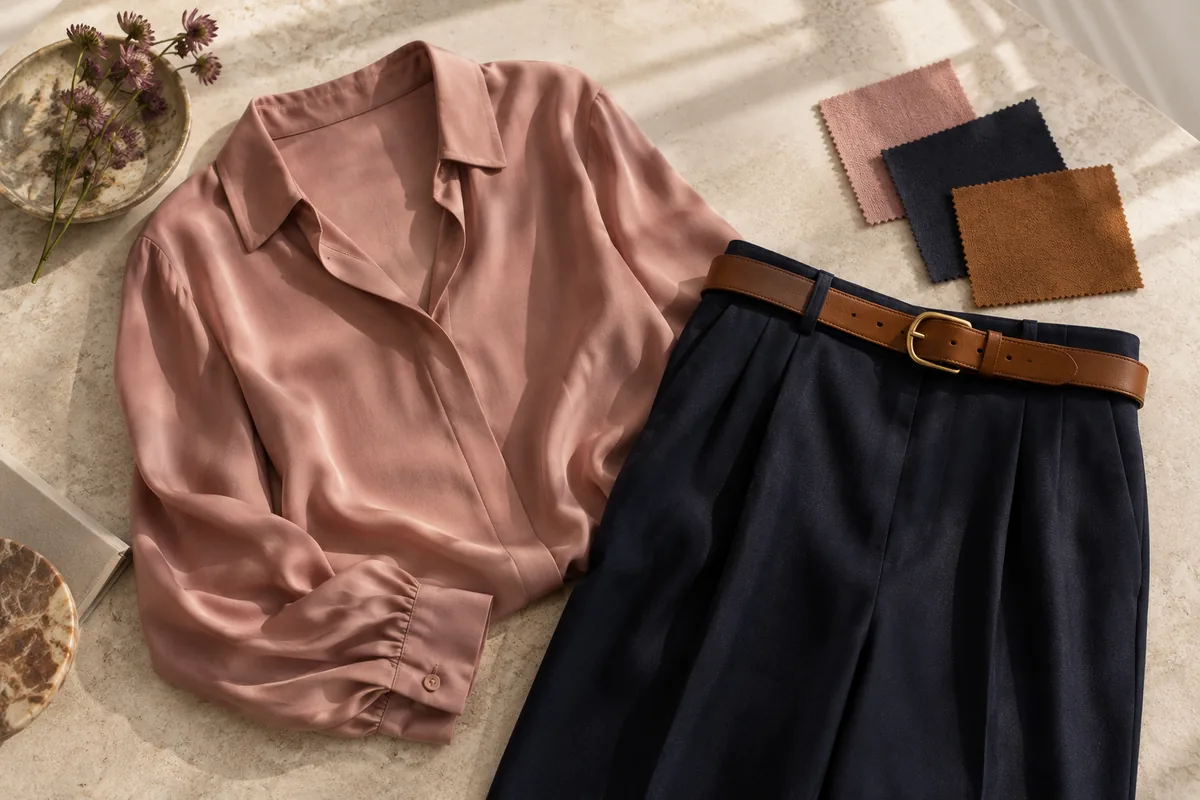
Combine colours without rigid rules
A visual exercise for a personal, reusable palette.
Read the guide ↗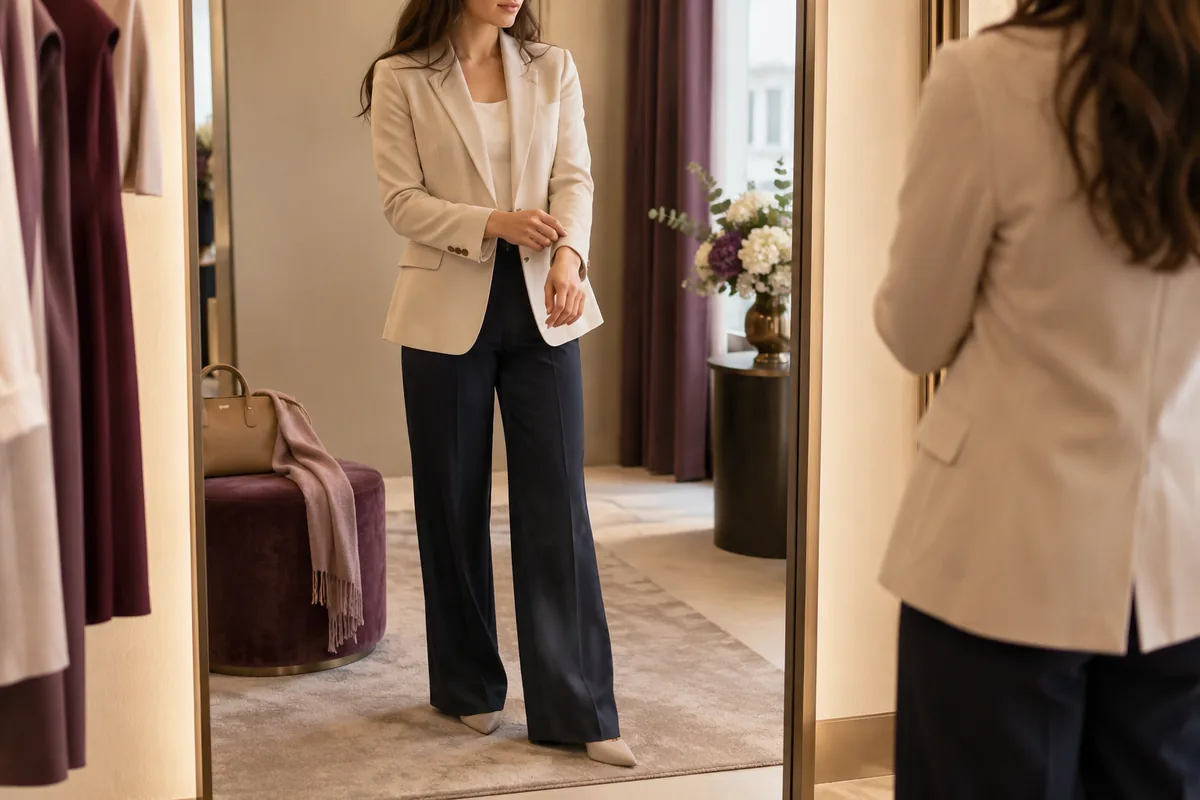
Try on clothing: details that matter
Assess comfort and fit in motion beyond the size label.
Read the guide ↗ AI-generated illustration
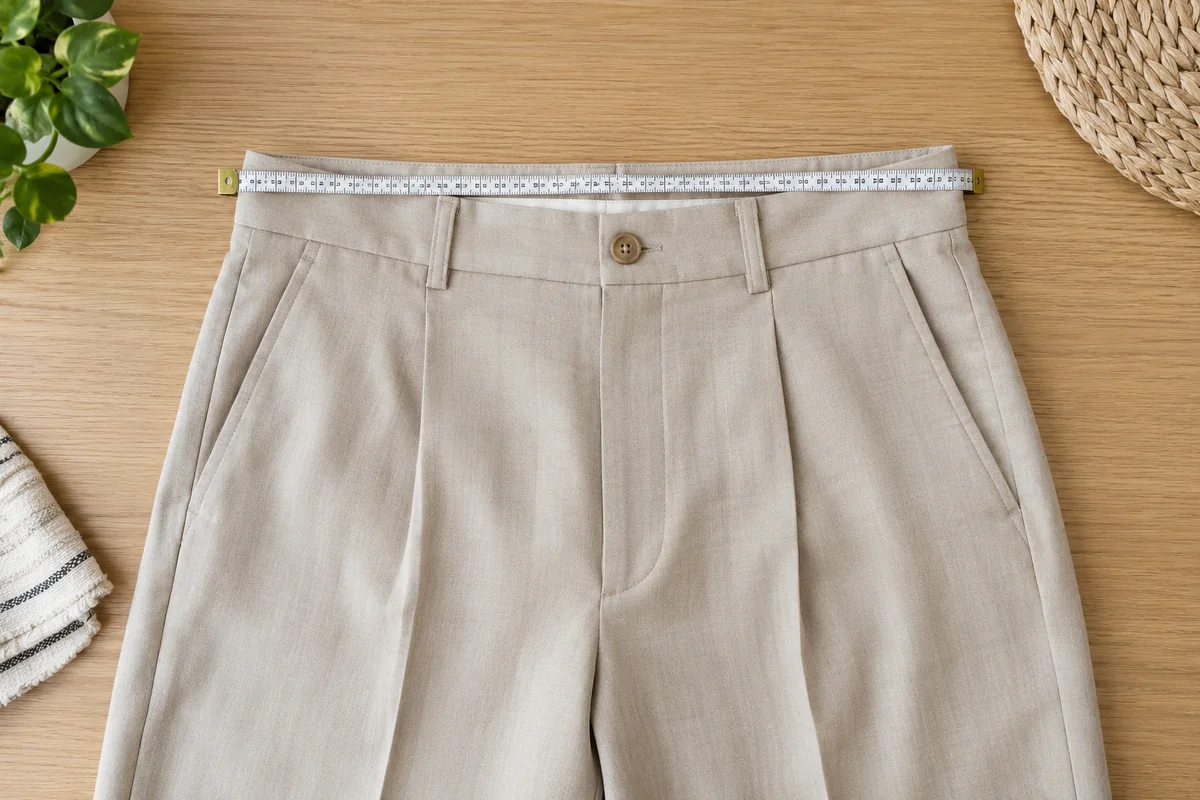
Compare measurements for online clothing purchases
Understand charts and ask for useful dimensions.
Read the guide ↗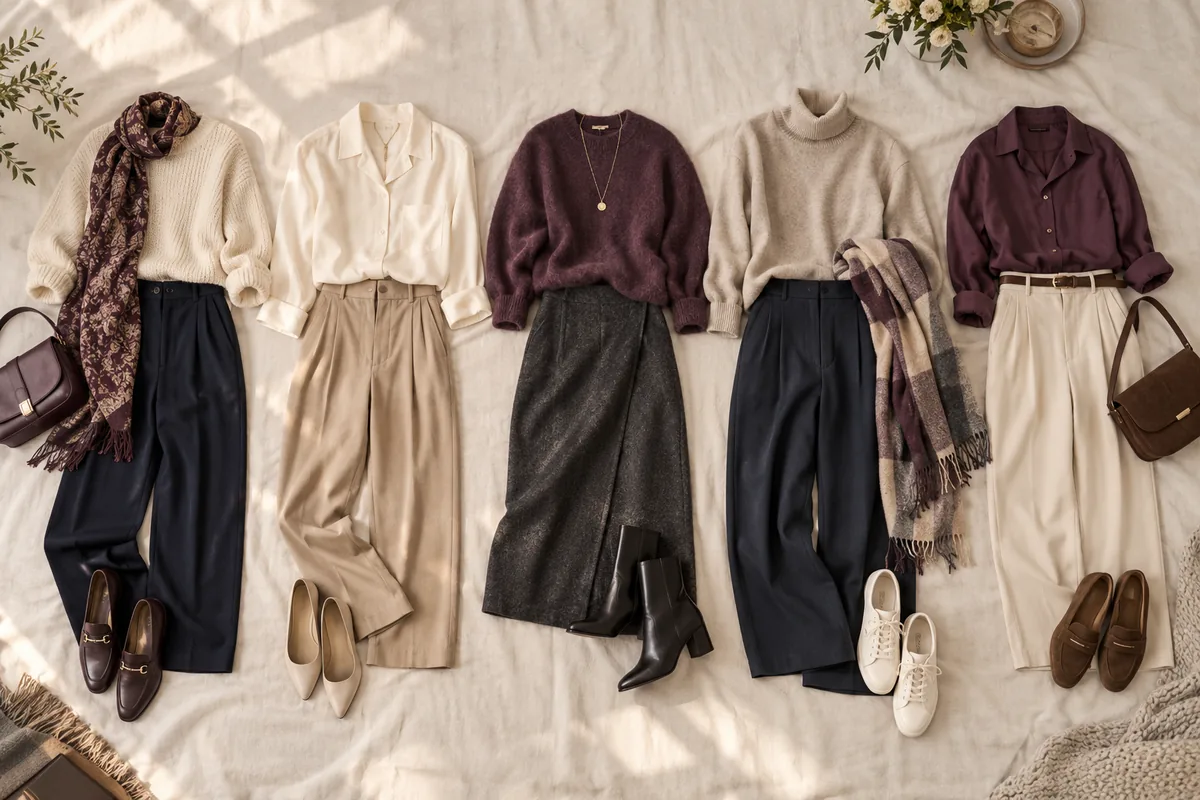
Plan five outfits from your own wardrobe
Try complete combinations for a realistic week and identify specific gaps.
Read the guide ↗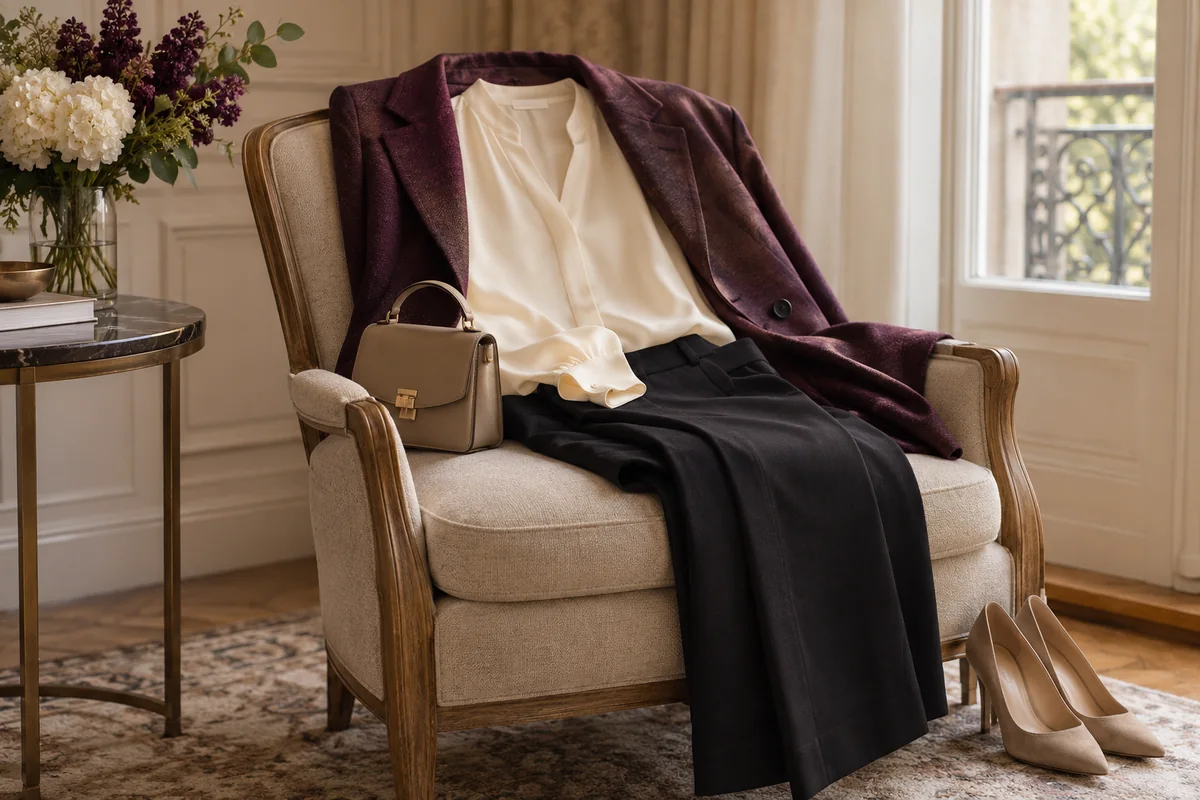
Occasion outfit: borrow, rent or buy?
Compare availability, fit, costs and constraints before choosing.
Read the guide ↗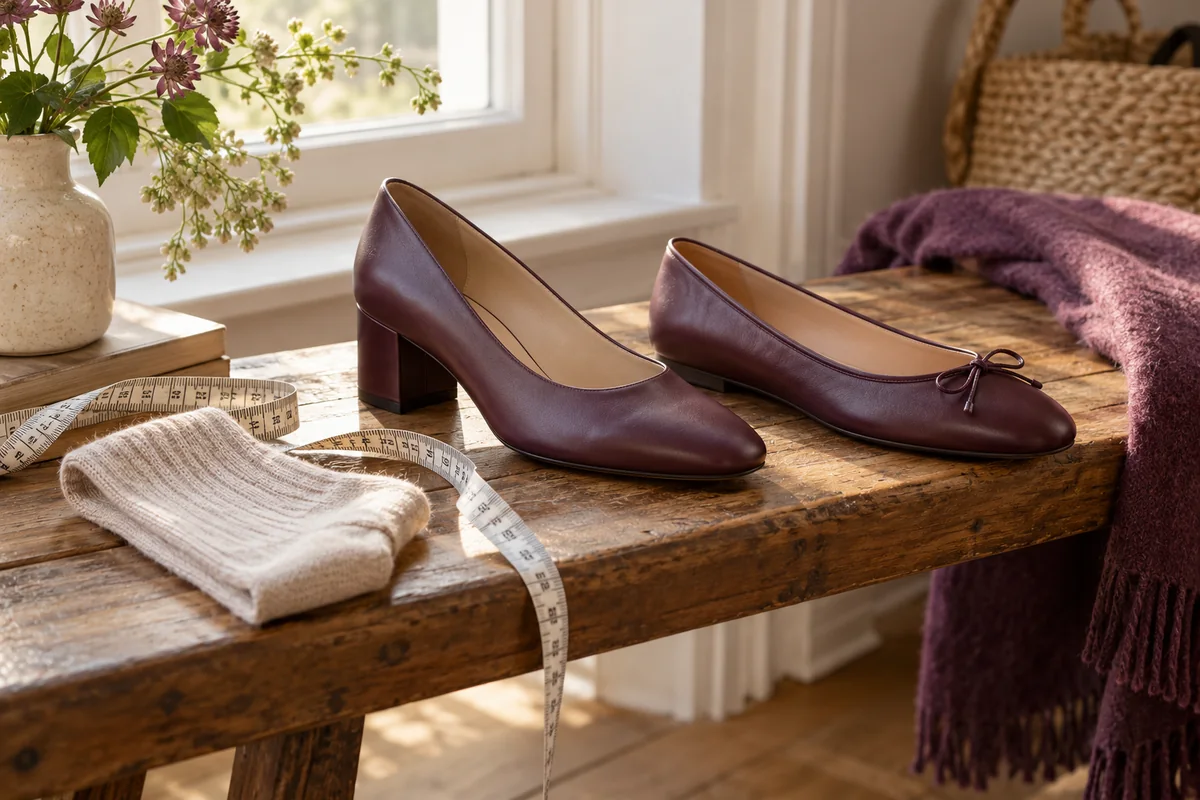
Trying shoes: compare the complete pair
Plan a use-specific trial and document unknowns.
Read the guide ↗
Video-call outfit: check screen and comfort
Plan an outfit using a framing trial in your space.
Read the guide ↗Fragrance
Explore ↗Separate scent description, formula and wearing experience. Compare a few exact versions at a time. Family, price and naming cannot predict preference or longevity alone.
Test fragrance without rushing
Compare a few options, let them develop and observe before deciding.
Read the guide ↗
Scent families: vocabulary for choosing
Use descriptions as reference points, not complete recipes or imposed identities.
Read the guide ↗
Eau de toilette or eau de parfum: compare carefully
Labels do not replace testing the exact reference.
Read the guide ↗
Store fragrance and organise its use
Prioritise instructions, stable storage and opening records.
Read the guide ↗
Keep a perfume comparison notebook
Separate impressions, trial conditions and cost to choose an exact version.
Read the guide ↗
Fragrance allergens: reading labels during the EU transition
Understand different labels and prepare a targeted check.
Read the guide ↗
Sample, small or large perfume bottle: compare useful cost
Separate unit price, upfront spending and the quantity you actually want.
Read the guide ↗
Gifting fragrance: check reference and preferences
Plan a gift without confusing your taste with the recipient’s.
Read the guide ↗
Find a fragrance’s exact reference
Build a record from the bottle and available information.
Read the guide ↗Responsible choices
Explore ↗Review need, condition, care and claim evidence in turn. Fibre alone does not describe product impact. For used pieces and repair, include necessary costs and missing information before deciding.
Microplastics in cosmetics: the EU deadlines explained
Identify the products and dates covered by the EU restriction and learn what an ingredient list can tell you.
Read the guide ↗
Read a clothing label before buying
Separate composition, care and marketing claims.
Read the guide ↗
Natural, clean, sustainable: what evidence to seek?
Replace reassuring words with verifiable questions.
Read the guide ↗Make clothes last: a care method
Organise washing, storage and small repairs around the actual garment.
Read the guide ↗
Buy second-hand clothing with a real check
Ask specific questions and assess condition before price.
Read the guide ↗
Repair, alter or replace a garment?
Compare whole-piece condition, feasibility and useful cost.
Read the guide ↗
Plan laundry from garment labels
Group clothes according to their actual washing and drying constraints.
Read the guide ↗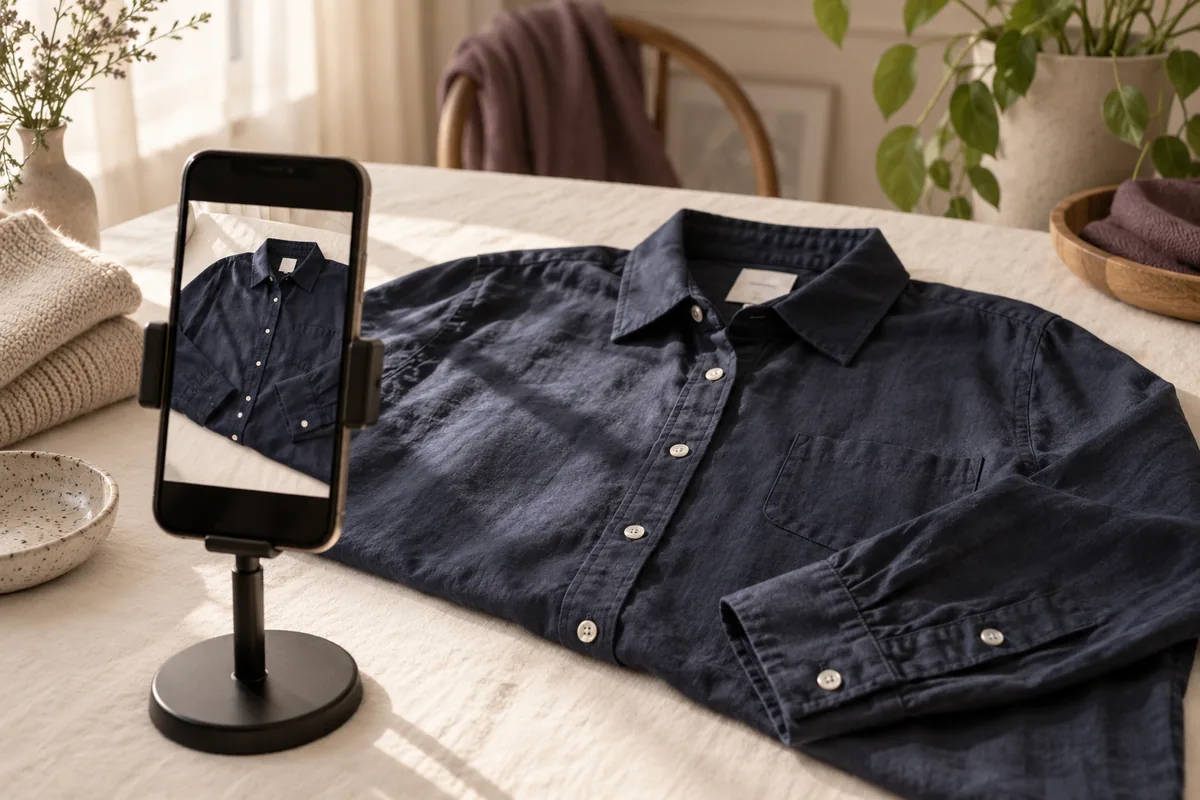
Write a useful second-hand clothing listing
Document photographs, measurements and flaws without claiming unverified quality.
Read the guide ↗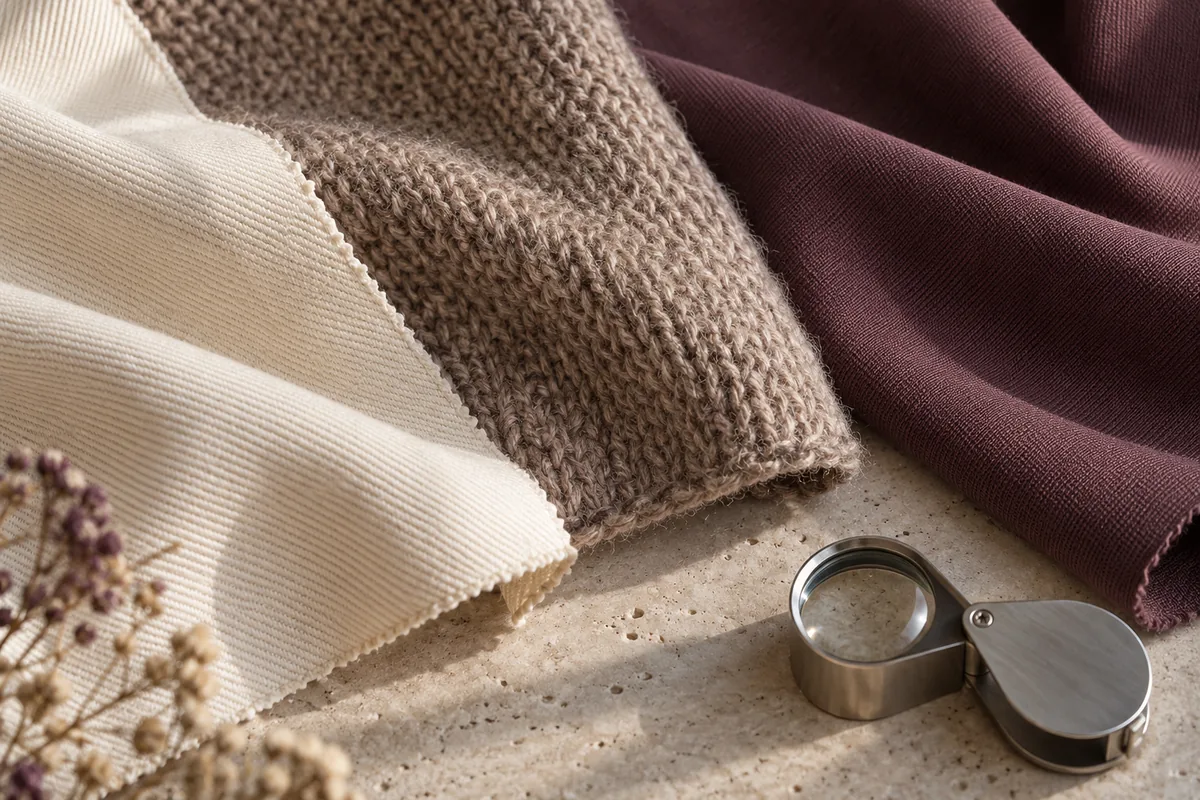
Textile blends: understand percentages without guessing quality
Read a multi-fibre composition alongside the finished garment.
Read the guide ↗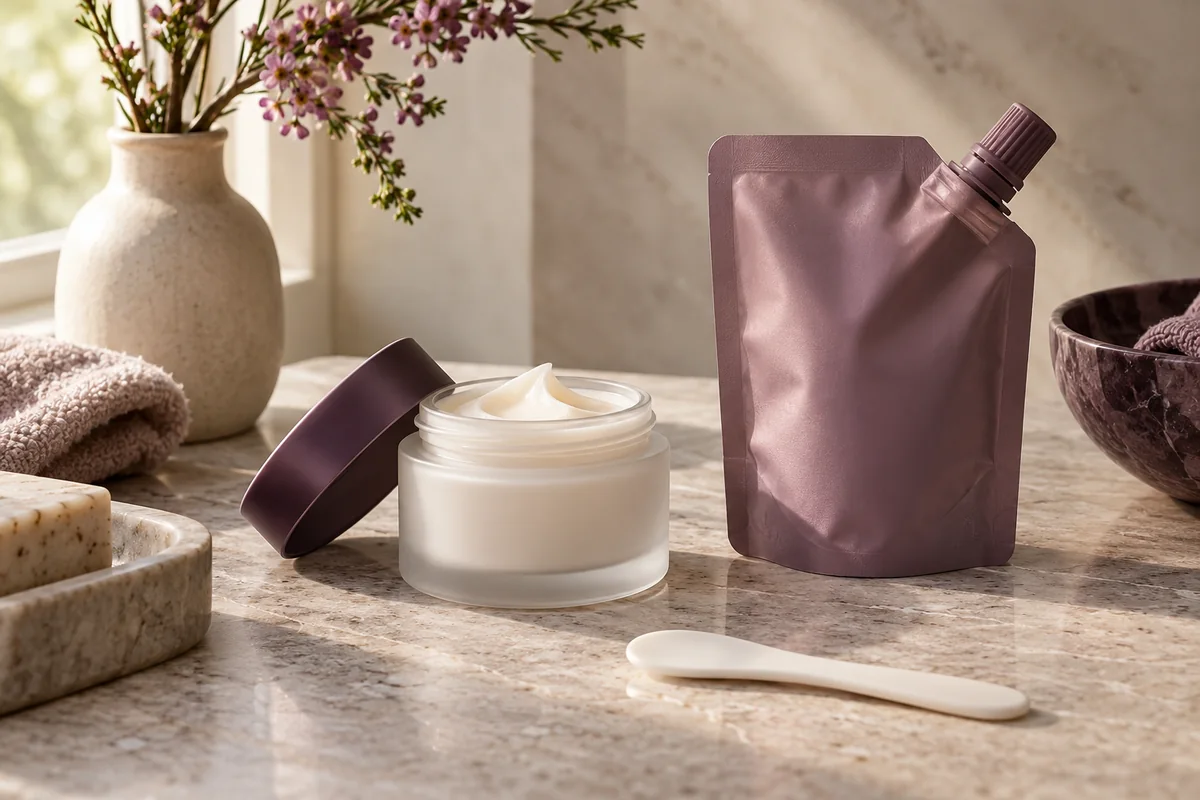
Refillable cosmetics: check compatibility and cost
Compare the refill intended for your container, quantity and actual costs.
Read the guide ↗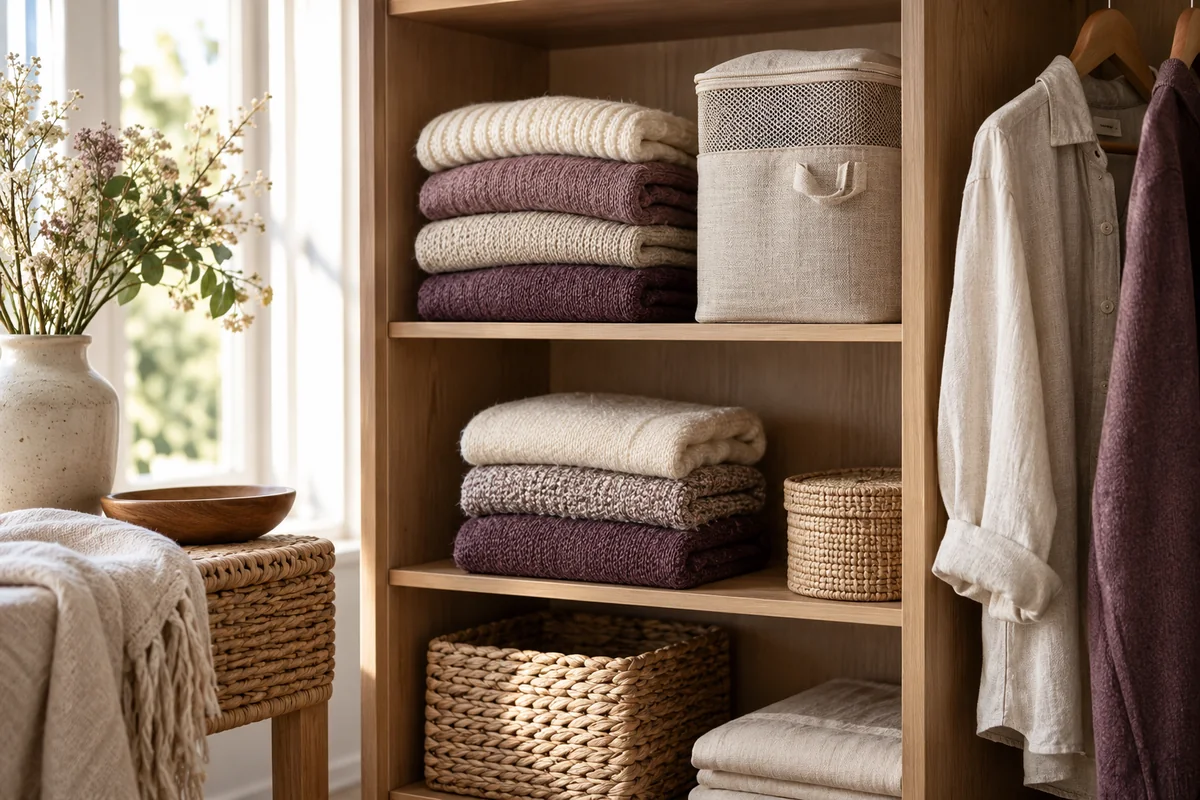
Store off-season clothes: prepare the next use
Group by condition, care and availability without losing information.
Read the guide ↗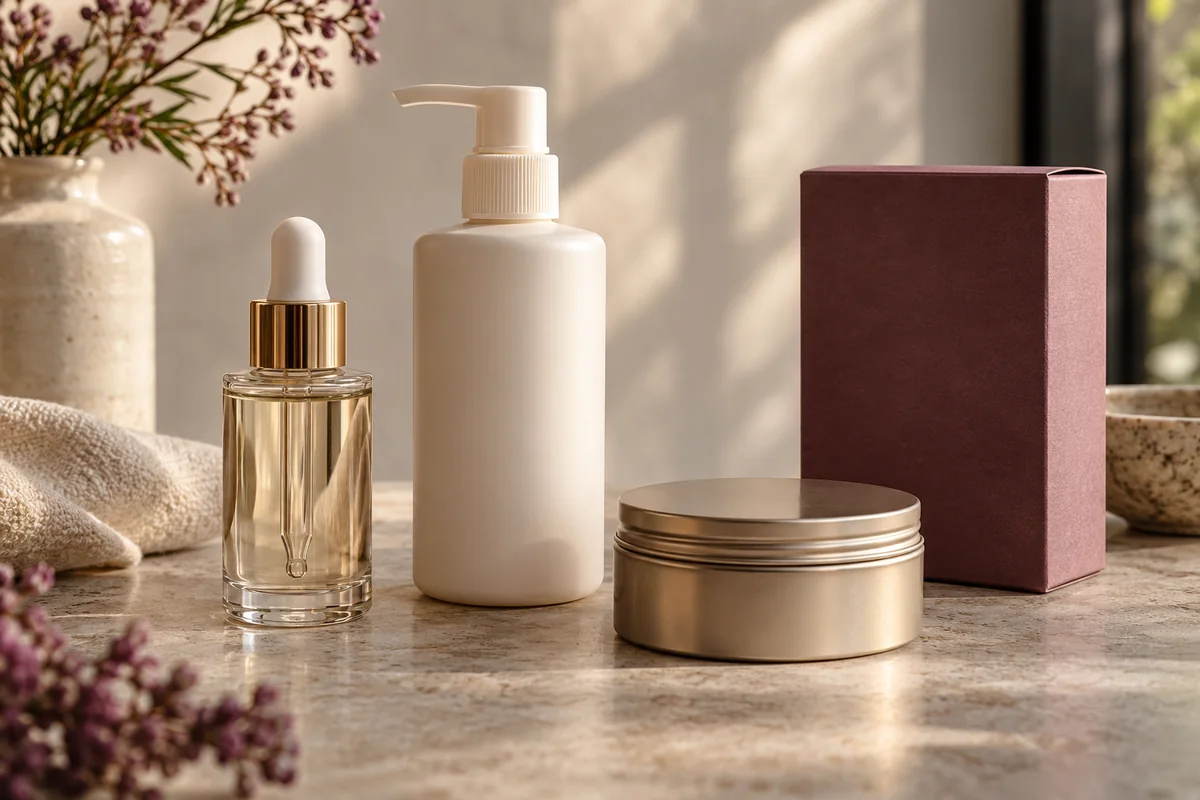
Cosmetic packaging: find the local instruction
Identify each part and verify the actual destination offered.
Read the guide ↗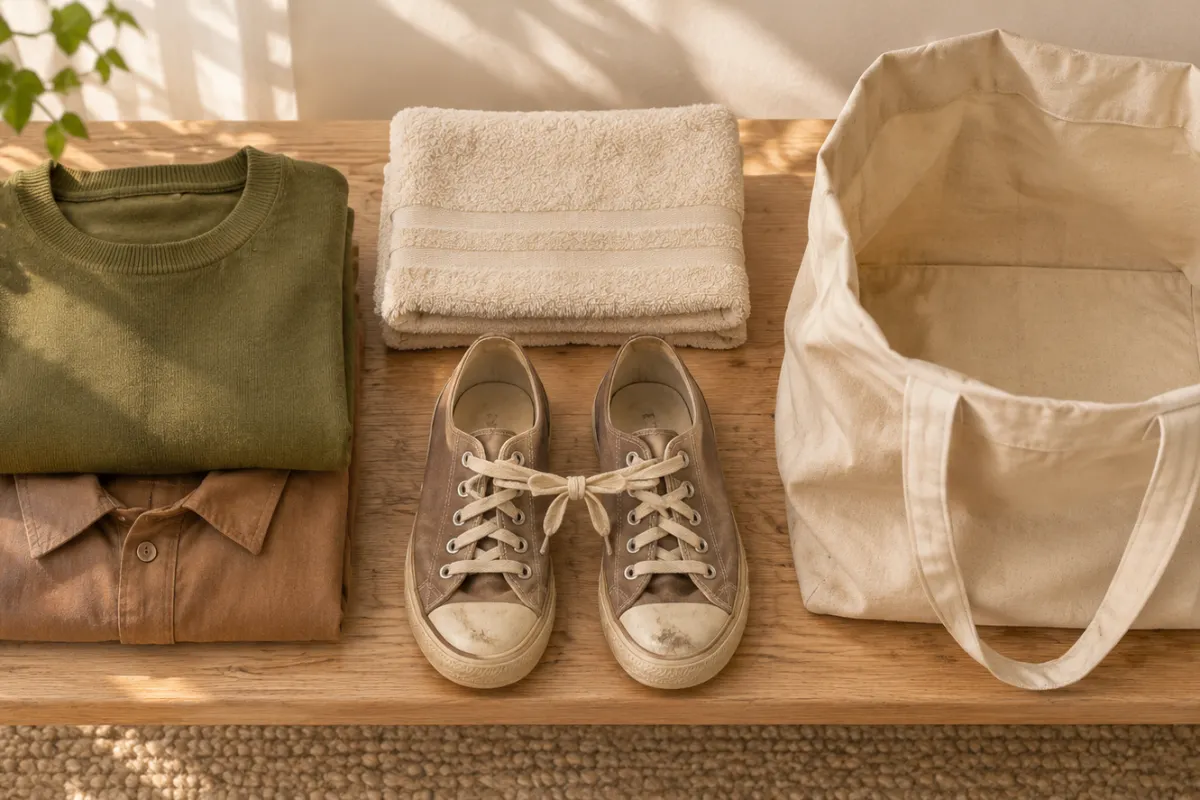
How to donate or drop off clothes and shoes in France
Check where wearable clothes, damaged textiles and specialist footwear should go, then prepare them for drop-off.
Read the guide ↗