
Responsible choices
Read useful information, care for purchases and spot vague promises. Better choices begin with using what you already own.
Where to start
Review need, condition, care and claim evidence in turn. Fibre alone does not describe product impact. For used pieces and repair, include necessary costs and missing information before deciding.
- Read a clothing label before buying
- Natural, clean, sustainable: what evidence to seek?
- Make clothes last: a care method
- Buy second-hand clothing with a real check
- Repair, alter or replace a garment?
- Plan laundry from garment labels
- Write a useful second-hand clothing listing
- Textile blends: understand percentages without guessing quality
Read a clothing label before buying
Separate composition, care and marketing claims.
Natural, clean, sustainable: what evidence to seek?
Replace reassuring words with verifiable questions.
Make clothes last: a care method
Organise washing, storage and small repairs around the actual garment.
Buy second-hand clothing with a real check
Ask specific questions and assess condition before price.
Repair, alter or replace a garment?
Compare whole-piece condition, feasibility and useful cost.
Plan laundry from garment labels
Group clothes according to their actual washing and drying constraints.
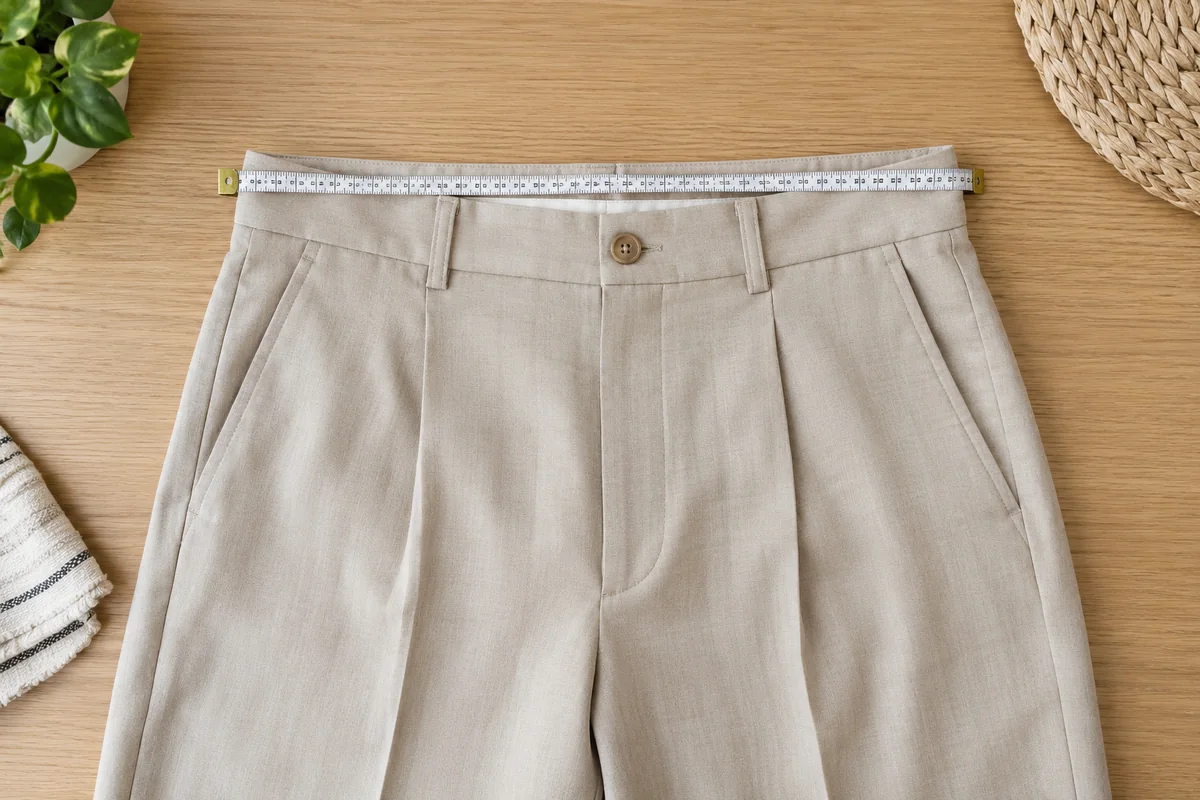
Write a useful second-hand clothing listing
Document photographs, measurements and flaws without claiming unverified quality.
Textile blends: understand percentages without guessing quality
Read a multi-fibre composition alongside the finished garment.
Understand ingredients and materials
Viscose
A regenerated cellulose fibre made by the viscose process.
Explore ↗Textile fibresLyocell
Regenerated cellulose fibre made through dissolution and organic-solvent spinning.
Explore ↗Textile fibresModal
A regenerated cellulose fibre, distinct from cotton.
Explore ↗Textile fibresHemp
A plant fibre from the hemp stem.
Explore ↗Textile fibresCashmere
Cashmere is hair from the kashmir goat in European nomenclature, distinct from sheep wool.
Explore ↗Textile fibresCupro
Cupro is regenerated cellulose obtained by the cuprammonium process in the European definition.
Explore ↗Textile fibresAcetate
Acetate is a cellulose acetate fibre in European nomenclature, chemically distinct from triacetate.
Explore ↗Frequently asked questions
How can I examine a responsible claim?
Identify scope: fibre, product, packaging or company. Ask for dated evidence tied to the reference. Specific claims and verifiable labels do not establish every impact.
What should I check before repair or second-hand purchase?
Check complete condition, dimensions and necessary work. Compare price, delivery and any quote. Care and plausible use matter without forming a measured environmental score.
AI-generated illustration · does not depict a tested product or an identified real person
Practical methods without rankings or guaranteed results.
Institutional sources, limitations and consultation dates.
Ideas to adapt to your taste, needs and budget.