Start with your diary
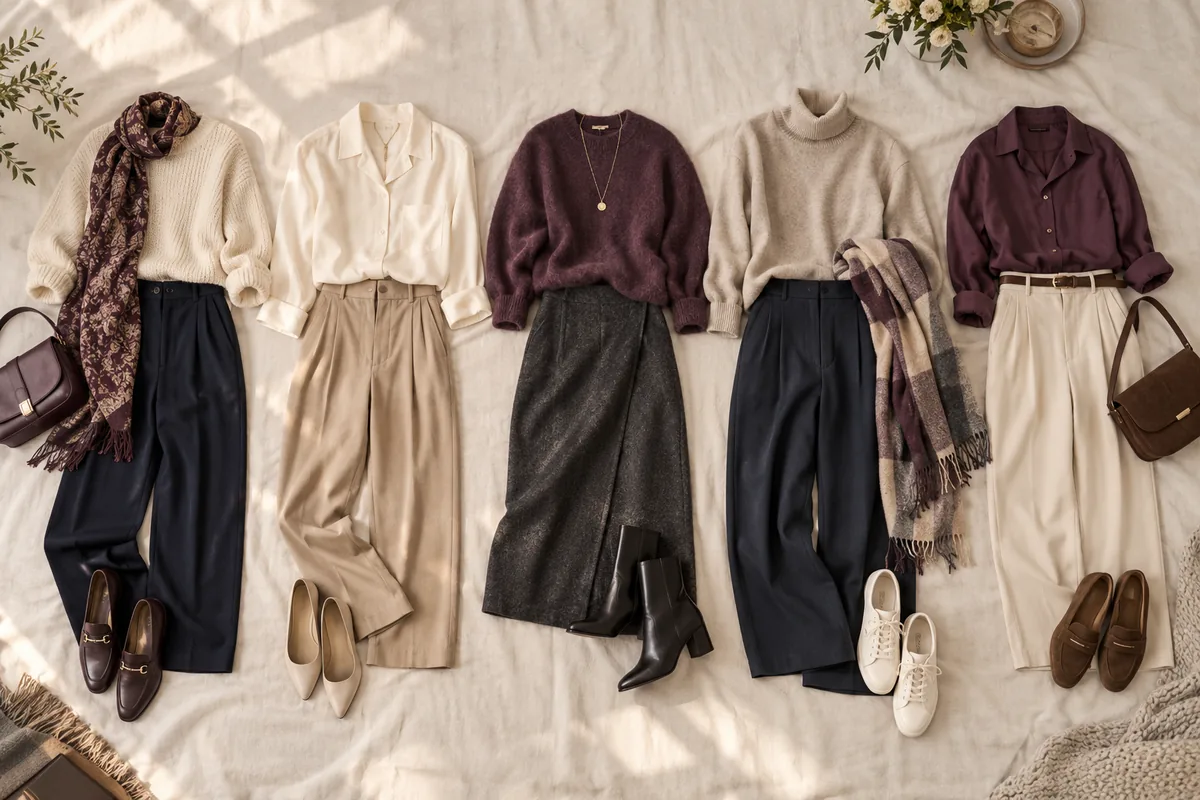
Write down situations rather than just days: travel, seated work, appointments and outings. Check the weather and add footwear and care constraints. Five outfits need not be five entirely different sets. Repeating a piece can be useful and welcome.
Choose a starting piece
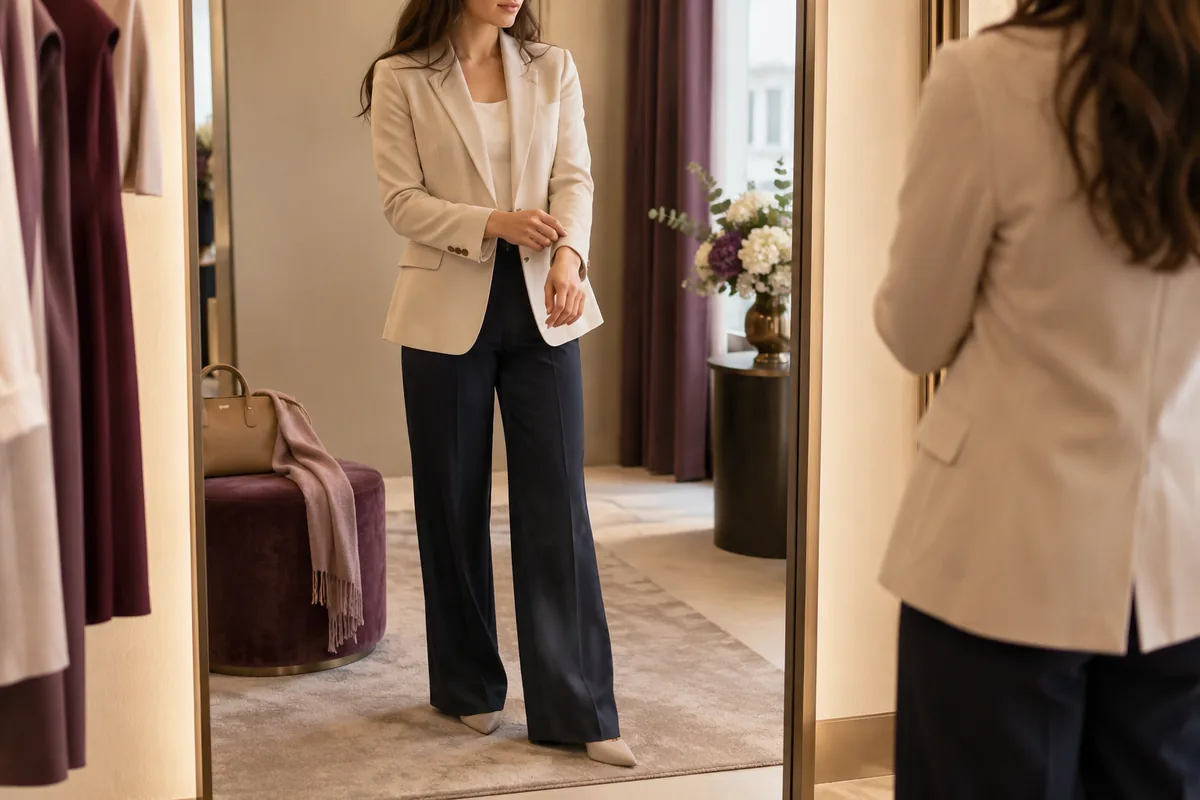
Pick trousers, a skirt or a dress you enjoy wearing. Combine it with two existing tops or layers. Try the actual shoes and bag. A combination that looks good on hangers may feel restrictive when sitting down.
Record complete combinations
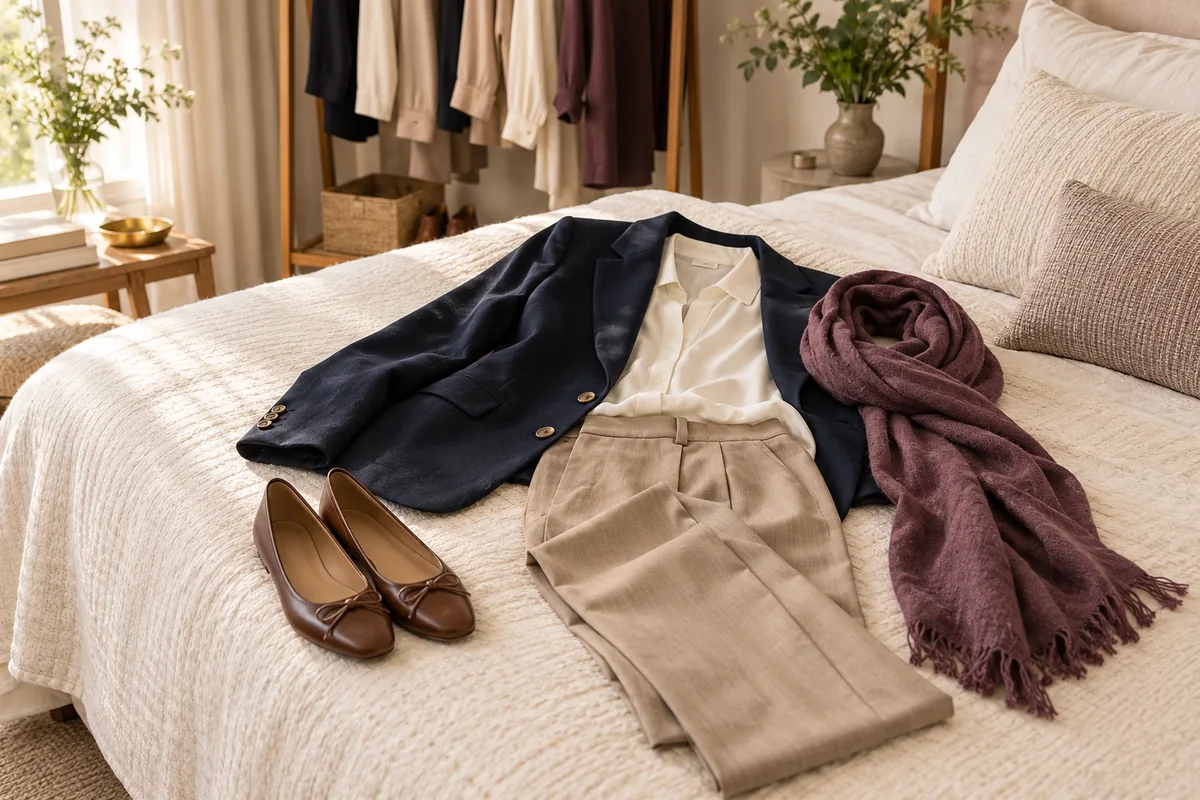
Take an unfiltered photo or write down the pieces. Add an alternative for cold weather or laundry. Shared items must be available on the relevant days. Keep useful accessories nearby rather than building a shopping list.
Name the missing function
If a combination fails, describe what is missing: a warm layer, comfortable footwear or a compatible top. Try another existing combination first. Another colour may not solve the issue. The aim is an easier week, not a fixed wardrobe size.
Plan availability between days
Check outfits in day order. A top planned Monday and Thursday also depends on any laundry and drying between them. Record availability; a theoretical combination may not be ready that morning.
Put it into practice
An editorial planning method to adapt to your situation.
| Situation | Observe or ask | Next step |
|---|---|---|
| Weekly schedule | Activities, travel and clothing requirements | Assign an existing outfit to each day before considering a purchase |
| Item worn several times | Availability, care and backup combination | Plan an alternative if laundry or weather changes the schedule |
| Apparent gap | Missing function and existing wardrobe options | Try another combination, then consider alteration, borrowing or purchase |
Test your capsule combinations
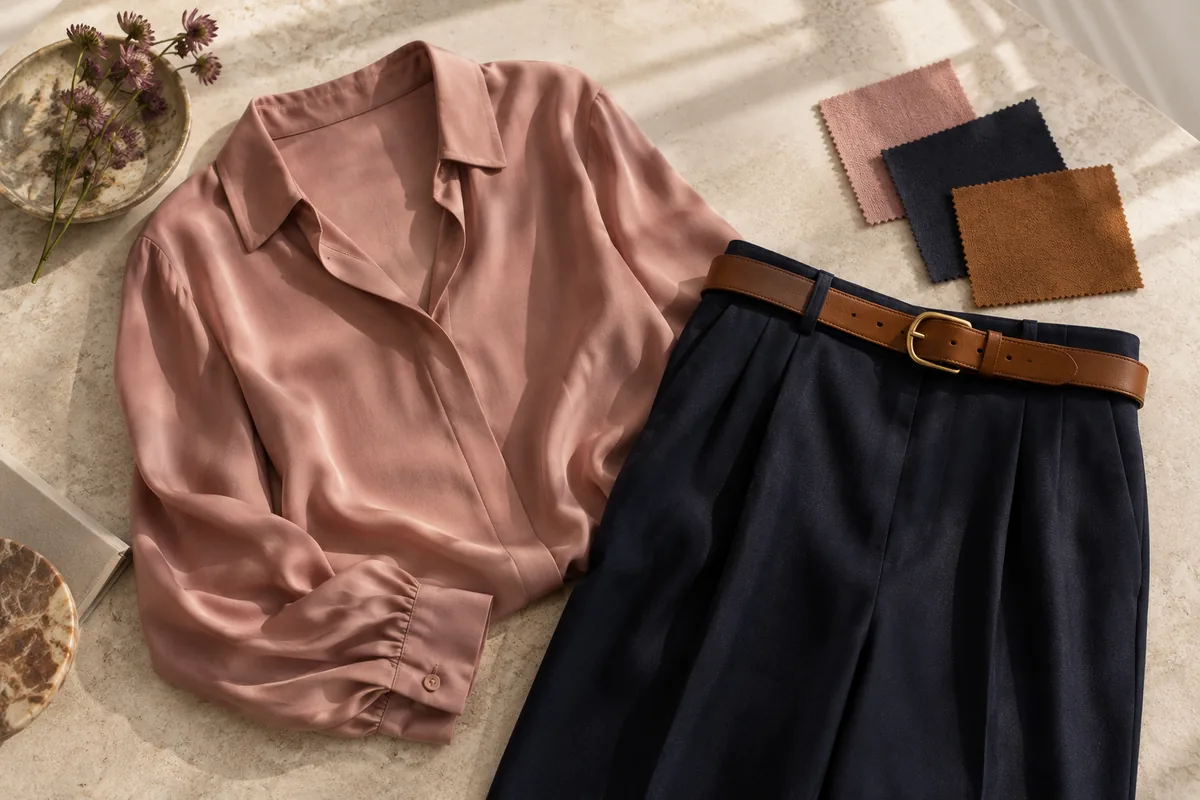
3 tops × 2 bottoms = 6 possible pairings
This counts pairs, not confirmed outfits. Check each pairing with your shoes, weather, comfort and garment availability. Reusing a piece on different days depends on its condition.
Your checklist
Frequently asked questions
Must everything change daily?
No. Repeating items can make decisions easier; consider use and care.
Should I shop first?
Start with available clothes. A gap identified after trying outfits makes any later search more precise.
Sources & references
This method is an editorial suggestion to adapt to your taste, budget and everyday life. It is not based on product tests or brand rankings.