Check the product before its format
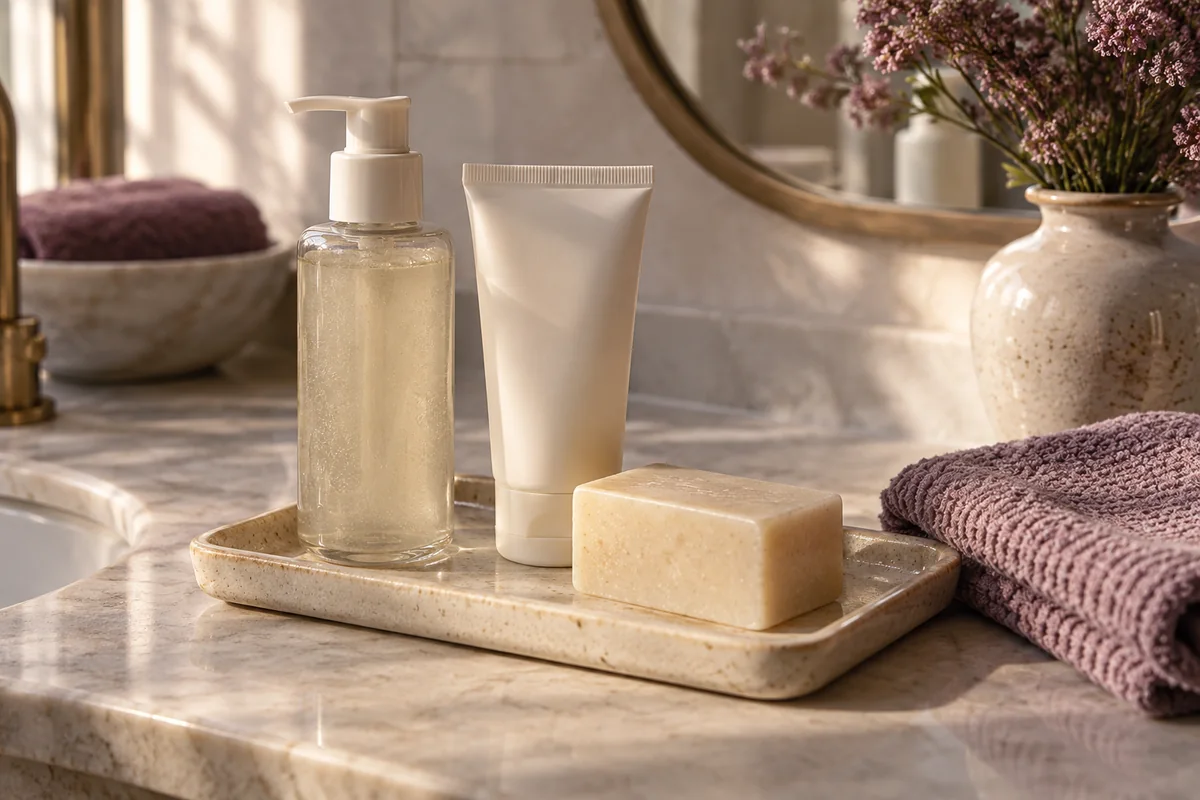
Solid and liquid describe presentation, not complete intended use. Record application area, rinsing and directions for each reference. Comparing formats cannot establish that a formula is gentler or more effective.
Observe everyday handling
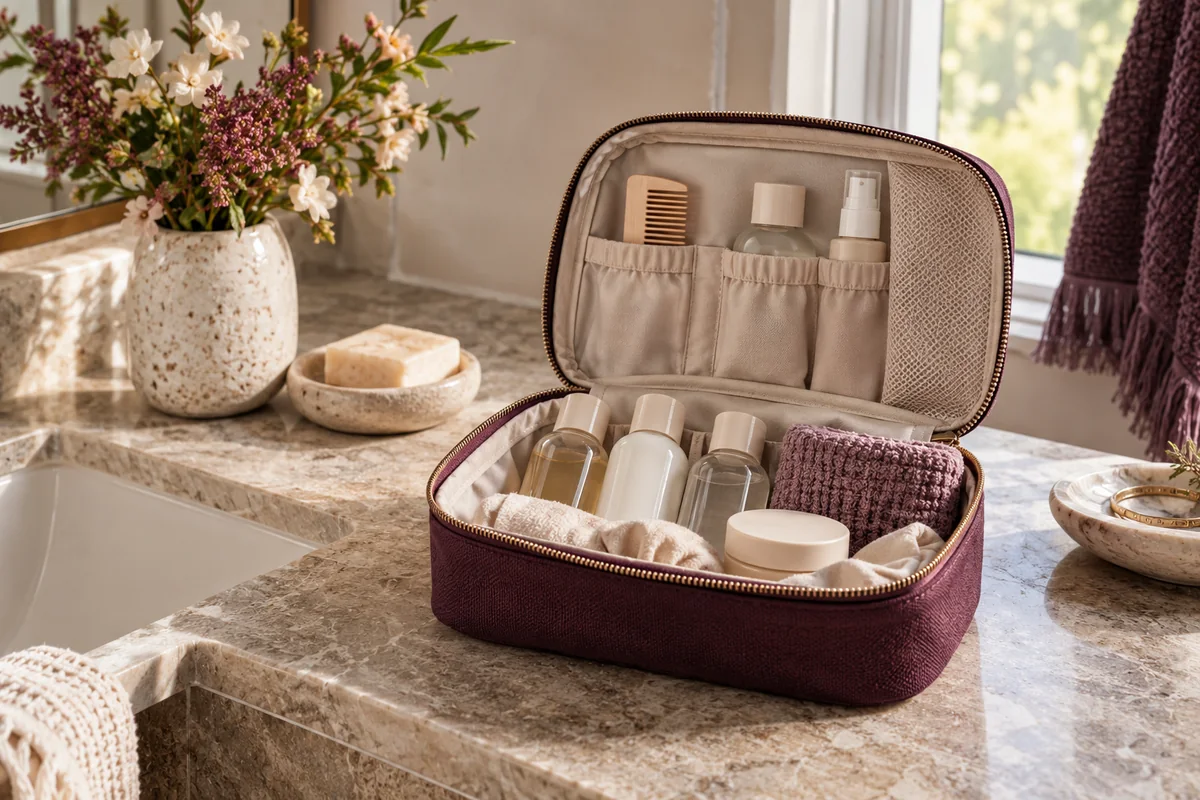
For a solid, examine grip and intended storage between uses. For a liquid, check pump, closure and amount dispensed by your gesture. Also compare manufacturer-supported options for travel.
Compare constraints without converting units
Record price, stated quantity and actually observed use rate. Do not convert grams into millilitres without suitable information. Cost per use can be observed after use but cannot be inferred from weight alone.
Example: build a useful record
Fictional example: compare a 100 g solid and a 250 ml liquid. Price per 100 units does not make units equivalent. Record stated quantity, storage method, opening and observed uses, leaving unknown durations blank.
Worked example: prepare a decision
Fictional example: you are choosing a solid cleanser or a liquid bottle for a trip. Note where it will be used, how it will be stored after use and each format’s instructions. Compare amounts in their stated units; do not convert grams into millilitres without suitable data. Available storage is part of the decision too.
| Situation | Check | Next step |
|---|---|---|
| Solid | Storage between uses | Check the intended method |
| Liquid | Pump and closure | Try permitted handling |
Your checklist
Frequently asked questions
Does format alone determine the choice?
No. Check the reference, intended use and directions too.
Sources & references

Beauty directory
Brands, online shops and beauty magazines: explore their official websites and areas of focus.