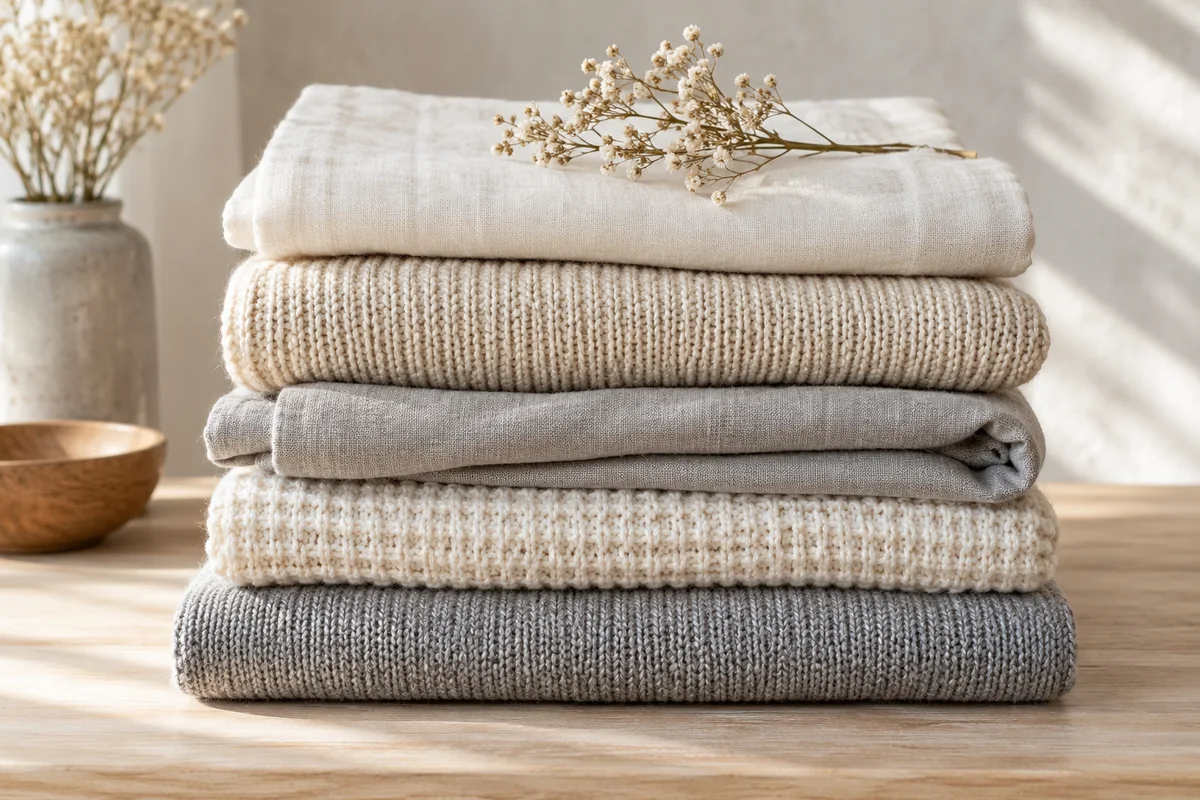
Composition
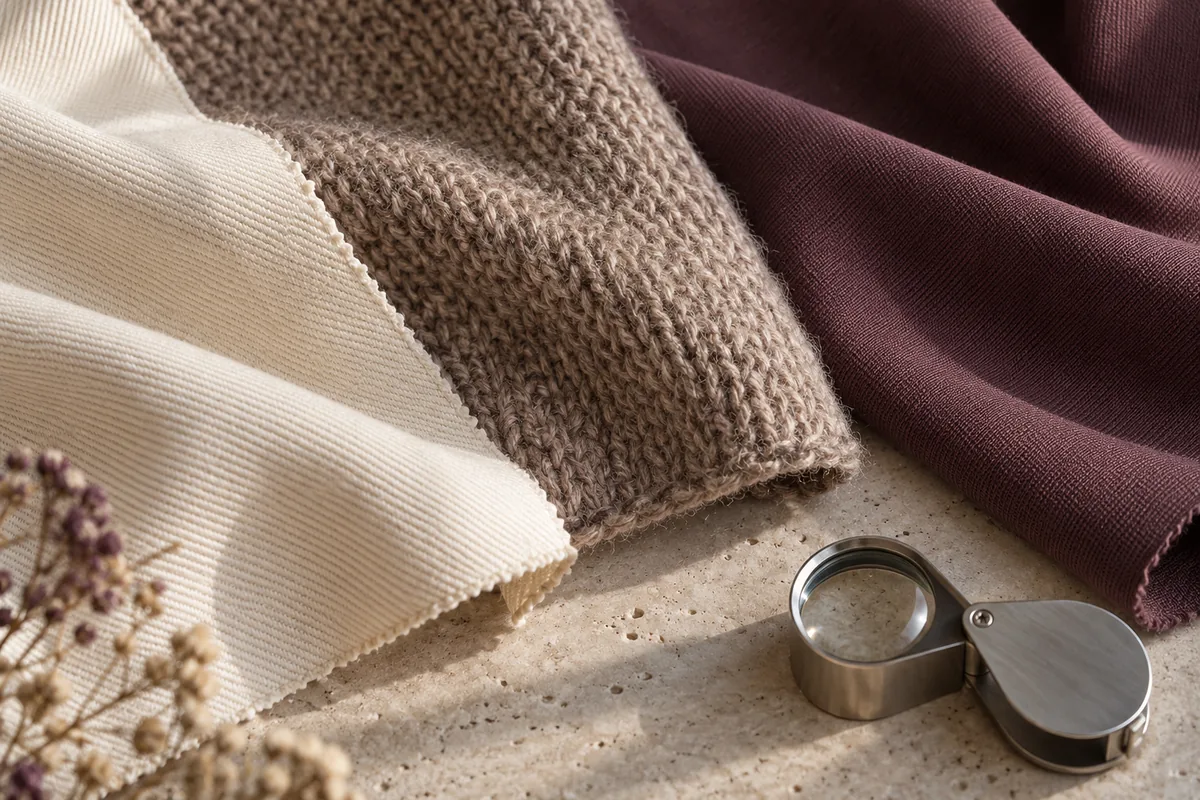
EU textile fibres use regulated names and proportions. Read blends fully. Satin or denim describes construction or fabric, not necessarily one fibre. Check separate lining information when supplied.
Compatible care
Read washing, drying and ironing instructions. Garment guidance takes priority: blends, finishes and accessories affect care. Demanding care you will not follow may reduce actual use.
Missing information
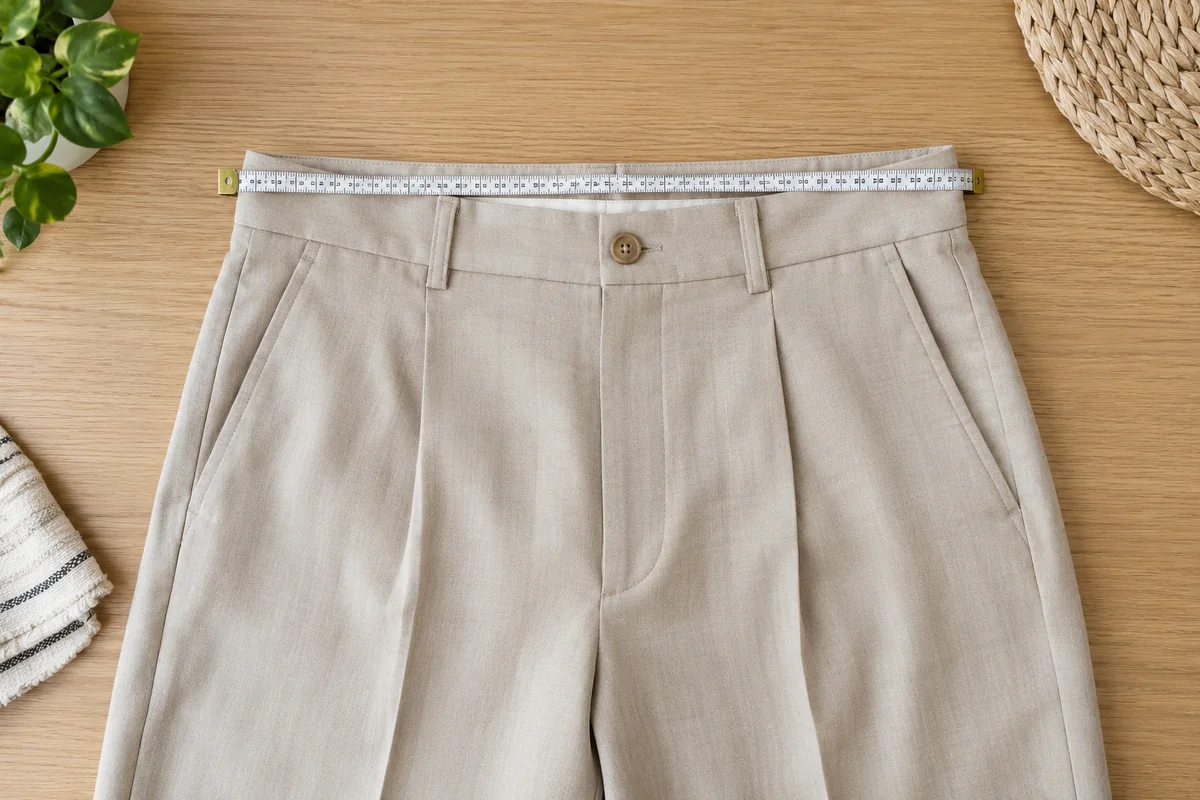
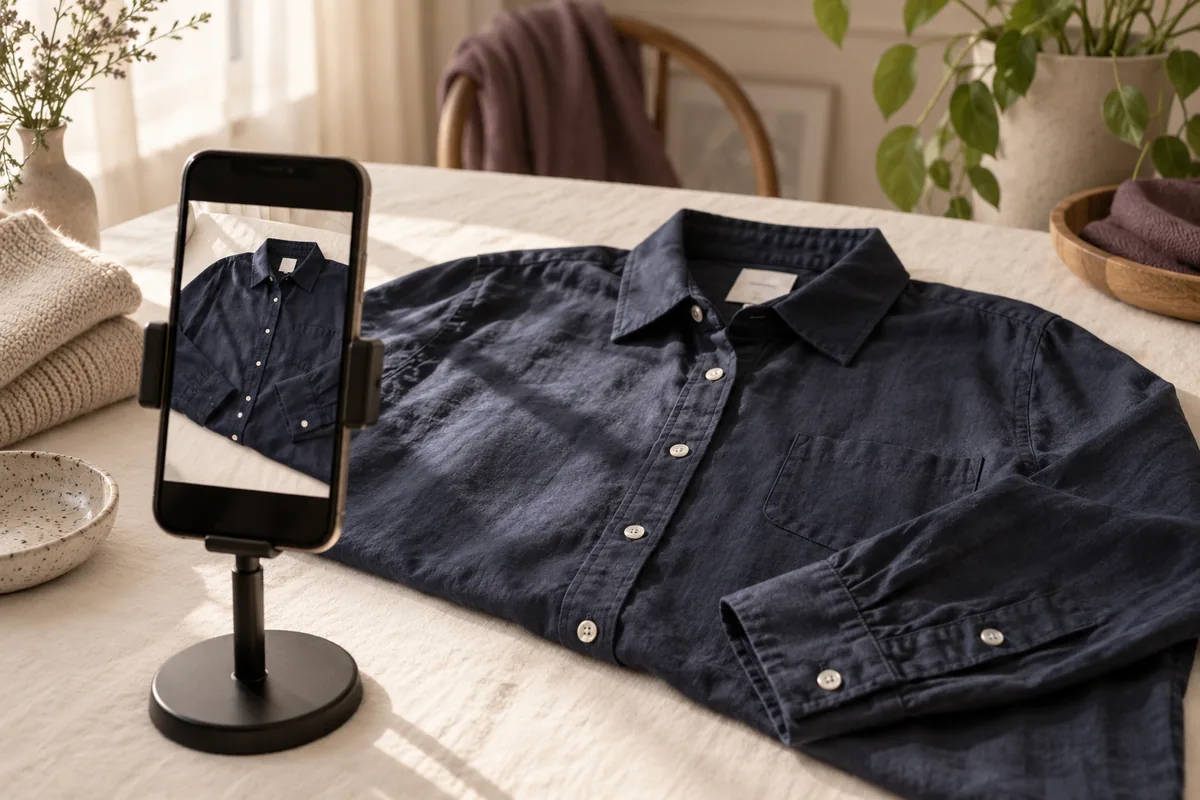
Composition alone does not establish stitching quality, complete origin or environmental impact. Ask for evidence behind vague claims. Online, also check measurements, detail photos and return terms.
A practical example
A listing says satin skirt. Check composition before concluding it is silk, then read care instructions. Fabric name suggests appearance but answers different questions from fibre composition.
Keep alteration records
After alterations adding lining, reinforcement or accessories, ask whether care changes. Keep work details with the original label photo. The original label cannot automatically describe later additions.
Compare proportions as well as names
In the EU, a blend label lists fibre percentages by weight in descending order. Compare those proportions before treating two garments as equivalent.
Distinguish the main lining from other components
Article 11 of Regulation (EU) No 1007/2011 requires the composition of each textile component to be indicated where the components have different fibre contents. The exemption covers components that are neither main linings nor 30% or more of the article’s total weight. A main lining with a different composition still matters even if it is light.
Check non-textile parts of animal origin
In the EU, a garment containing non-textile parts of animal origin must carry a statement separate from its fibre composition. A button, trim or panel may therefore need a separate check: a list such as “cotton, polyester” describes fibres, not necessarily the entire item. The required statement flags animal origin without identifying the exact material on its own.
Compare two fibre compositions
Enter up to three fibres for the same component of each garment. Compare shells with shells, or linings with linings. Each composition must total exactly 100%.
Fictional example: 95% cotton in A and 80% in B give a cotton difference of −15 points. A fibre absent from the entered list counts as 0%.
Put it into practice
An editorial planning method to adapt to your situation.
| Situation | Observe or ask | Next step |
|---|---|---|
| Separate labels | Size, composition and care for one reference | Photograph each detail without confusing functions |
| Contradictory online composition | Garment photo and commercial listing | Ask which description corresponds to the delivered item |
Compare measurements for online clothing purchases ↗
Your checklist
Frequently asked questions
Does natural fibre guarantee quality?
No. Construction, finishing, care and use matter; fibre family cannot rank a garment alone.
Can lining change comfort?
Yes. Evaluate the whole garment.
Sources & references


Understand ingredients and materials
Elastomultiester
A synthetic stretch fibre that can appear alongside elastane and polyester on a clothing label.
Explore ↗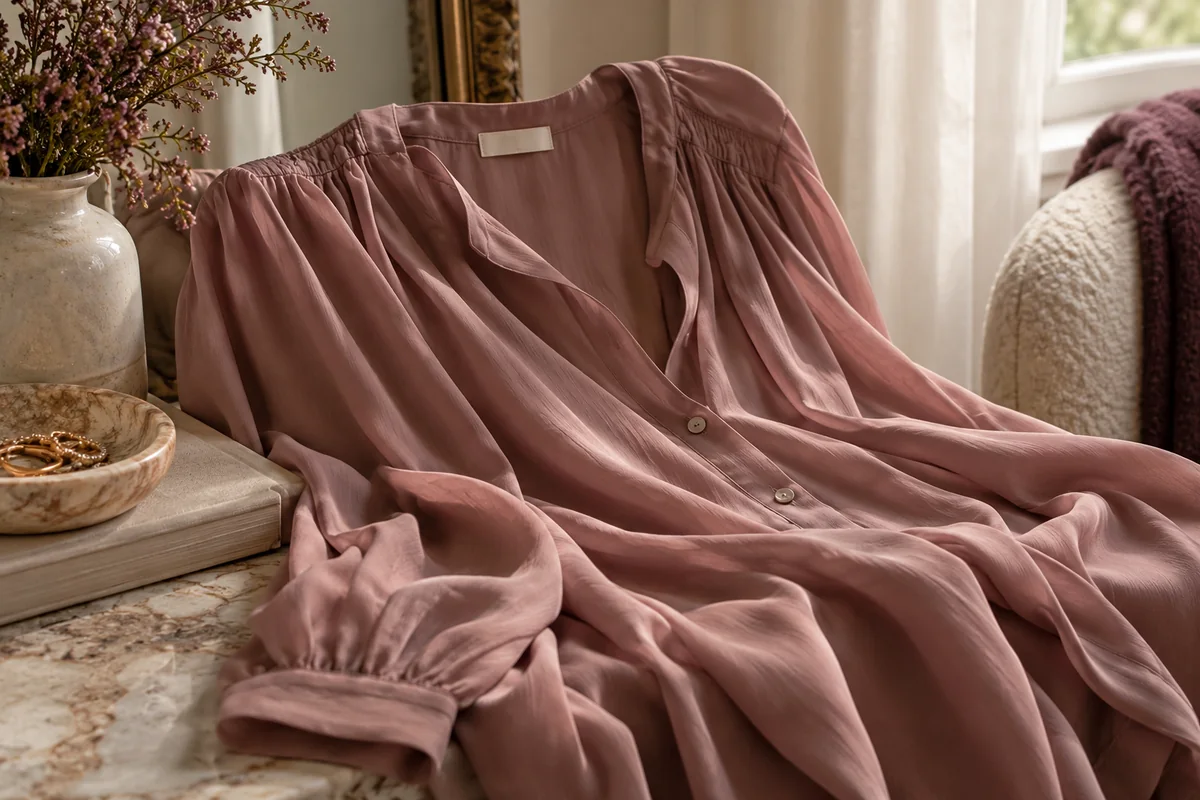 Textile fibres
Viscose
A regenerated cellulose fibre made by the viscose process.
Explore ↗
Lyocell
Regenerated cellulose fibre made through dissolution and organic-solvent spinning.
Explore ↗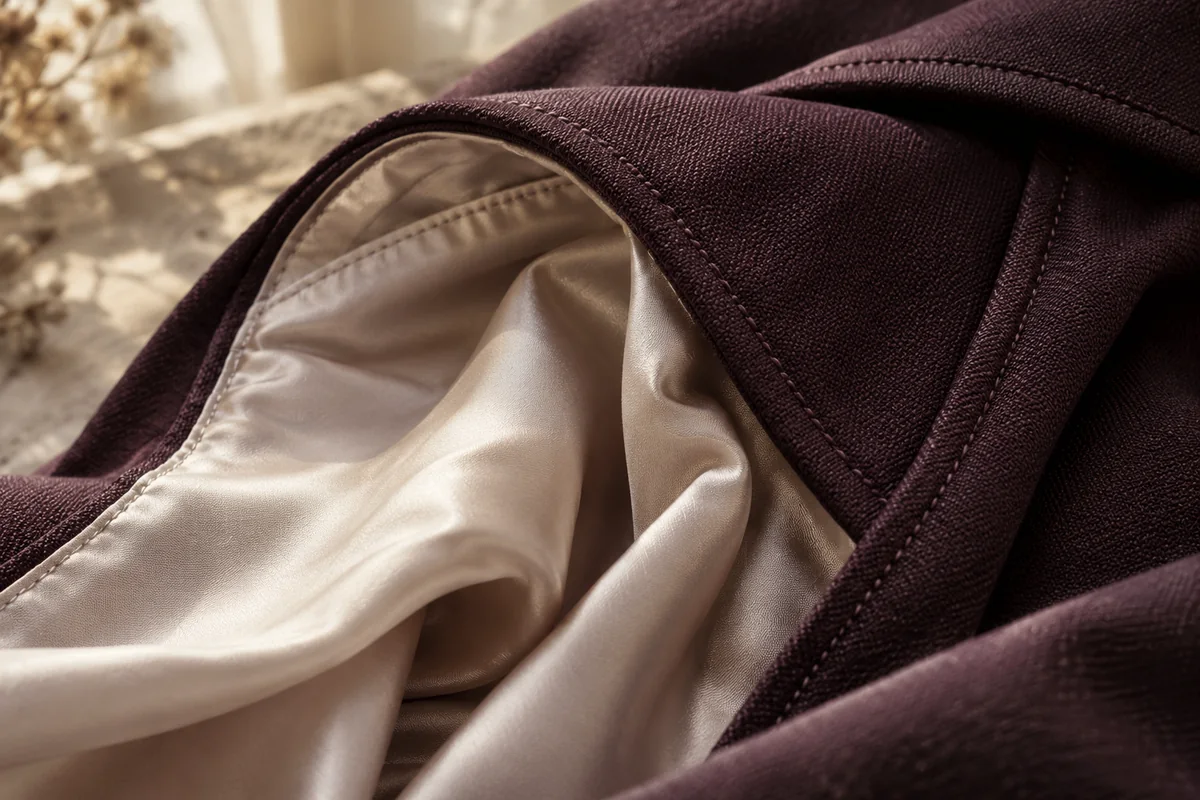 Textile fibres
Polyester
A synthetic fibre family with varied uses.
Explore ↗
Modal
A regenerated cellulose fibre, distinct from cotton.
Explore ↗
Ramie
Plant bast fibre from Boehmeria nivea and Boehmeria tenacissima.
Explore ↗
Mohair
Animal fibre from the angora goat.
Explore ↗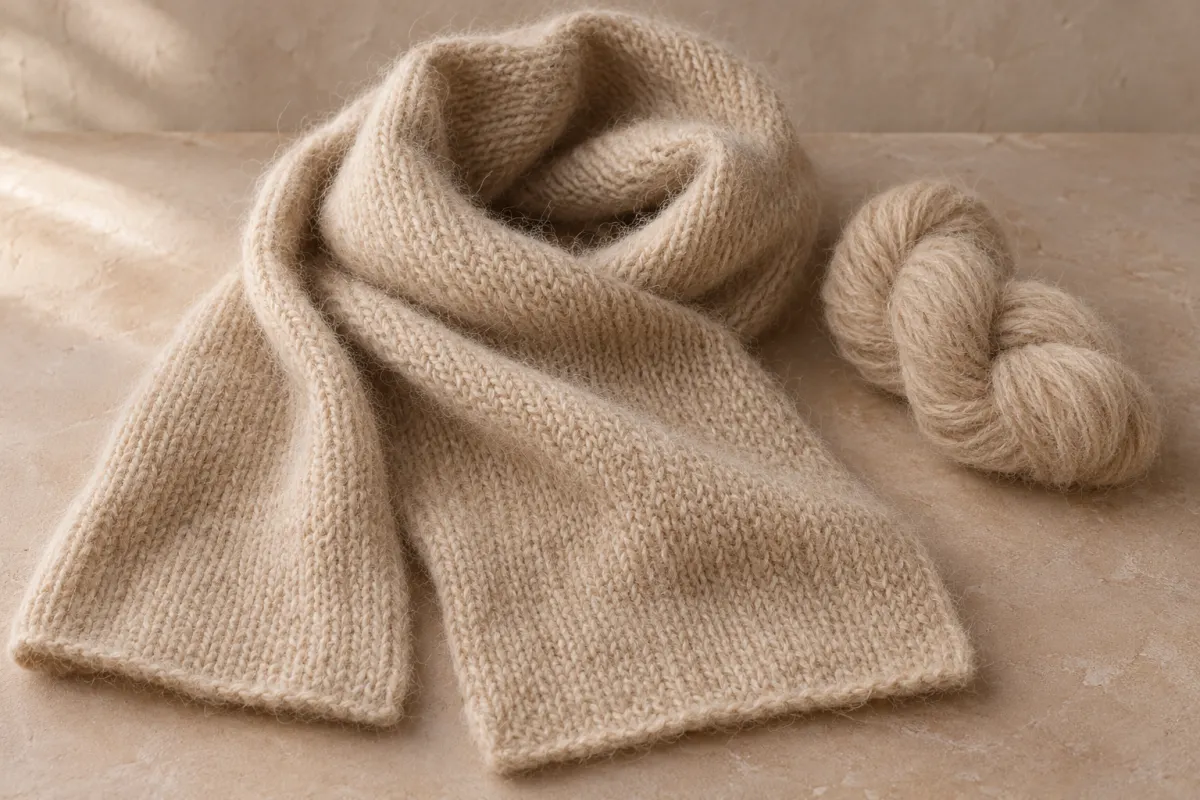 Textile fibres
Alpaca
An animal fibre from the hair of the alpaca.
Explore ↗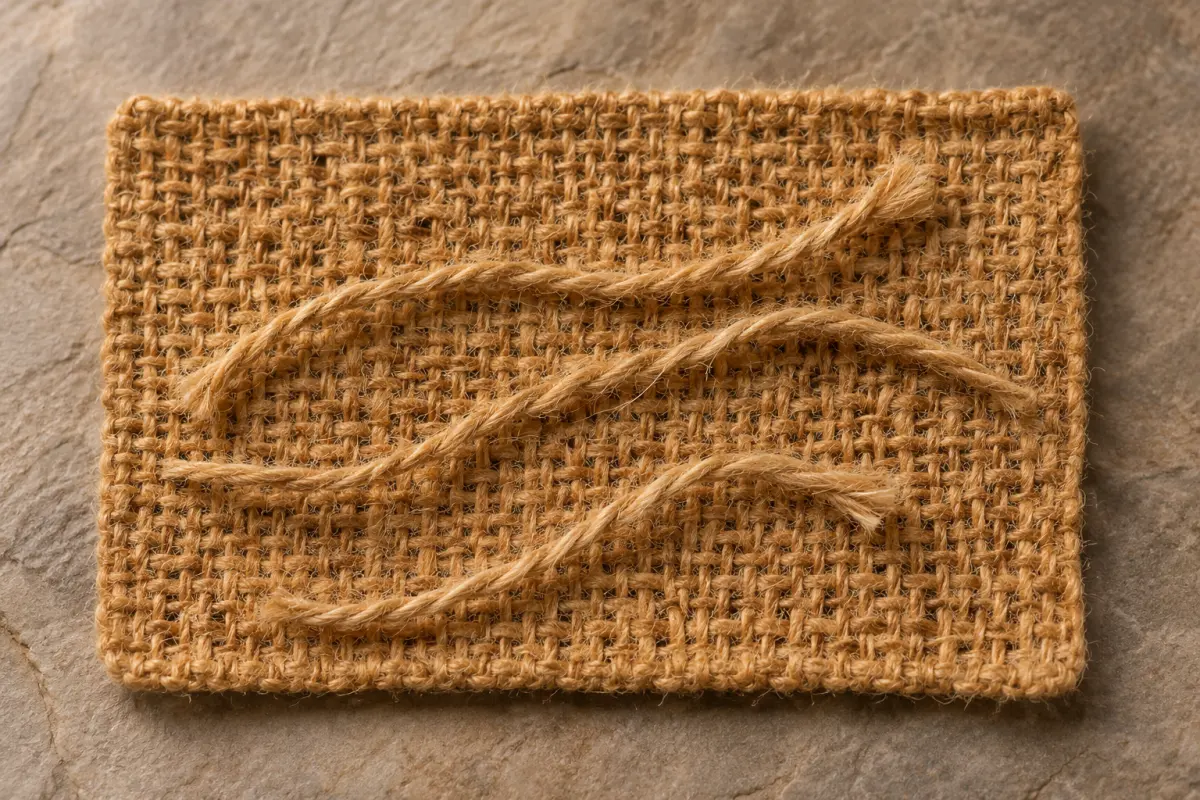 Textile fibres
Jute
A plant fibre primarily obtained from the stems of two Corchorus species.
Explore ↗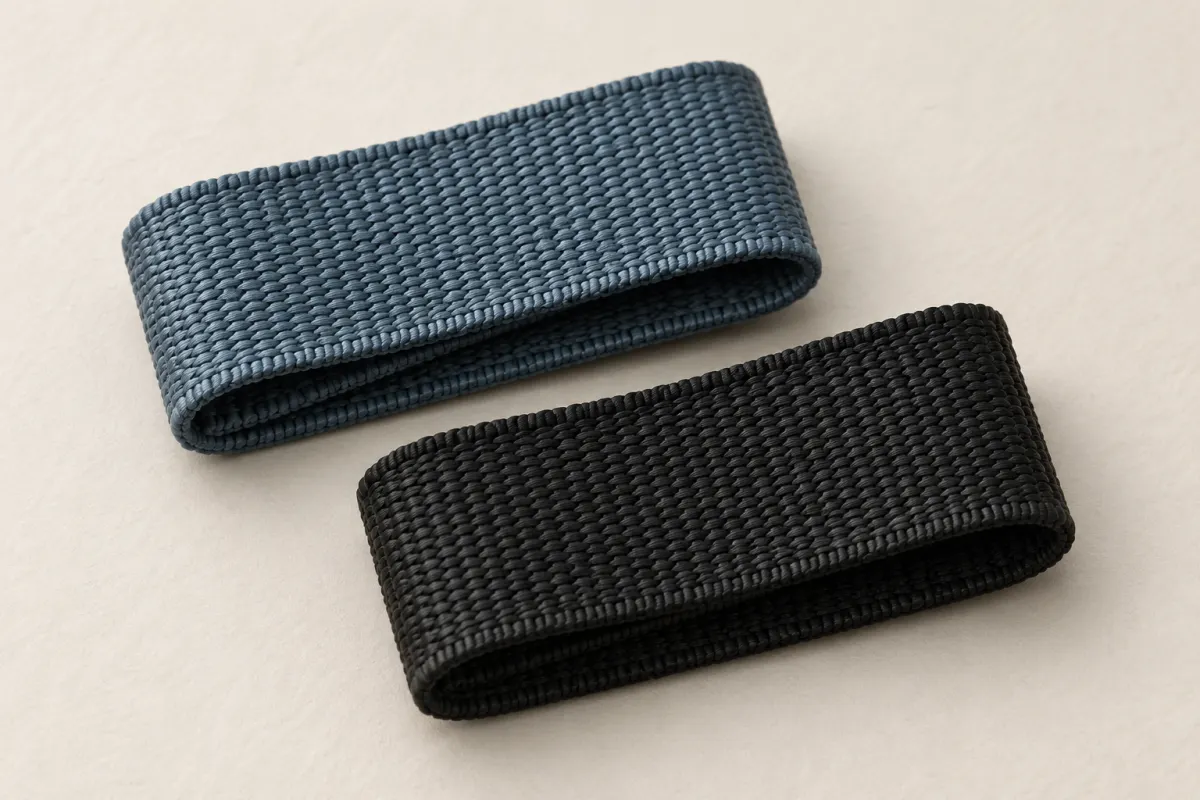 Textile fibres
Polypropylene
A synthetic fibre distinct from polyester and polyamide.
Explore ↗Beauty directory
Brands, online shops and beauty magazines: explore their official websites and areas of focus.