
Make it last
Care better, check second-hand pieces and avoid redundant purchases.
Where to start
Examine condition, future use and feasible care first. For secondhand or repair, photos, measurements and quotes matter more than a broad quality label.
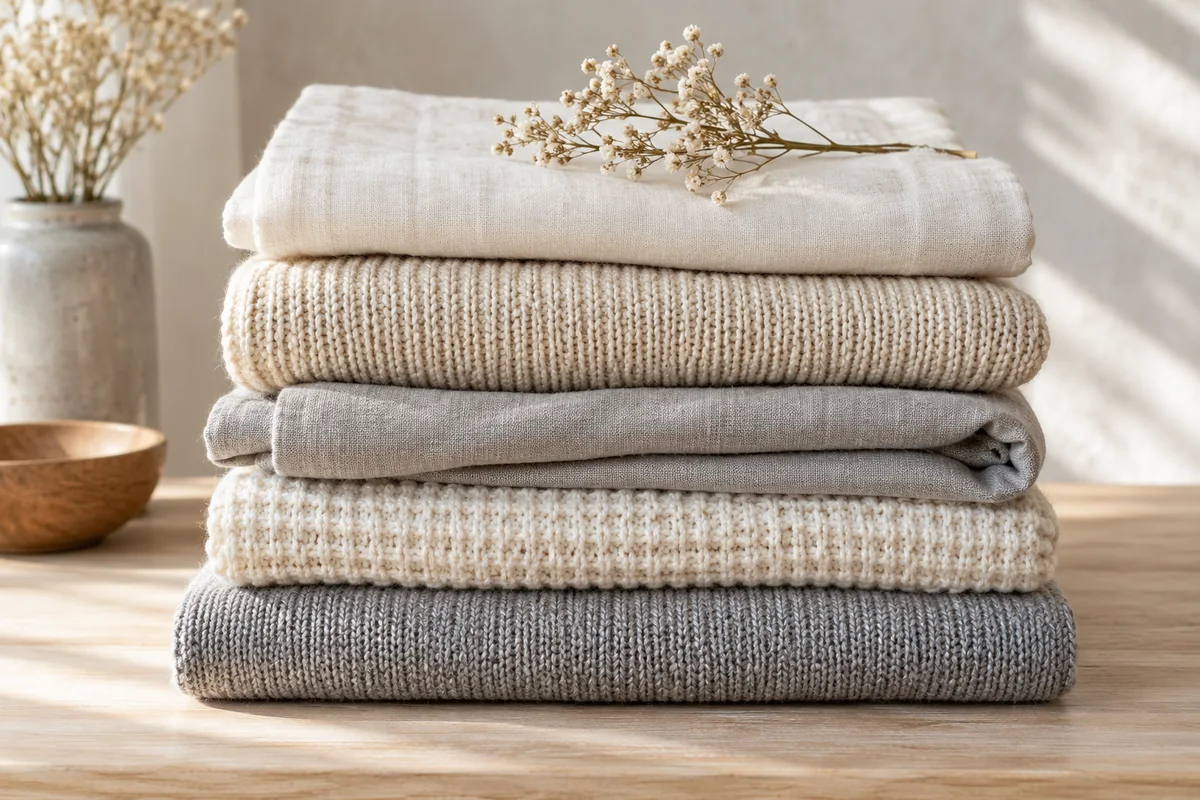
Make clothes last: a care method
Organise washing, storage and small repairs around the actual garment.
Buy second-hand clothing with a real check
Ask specific questions and assess condition before price.
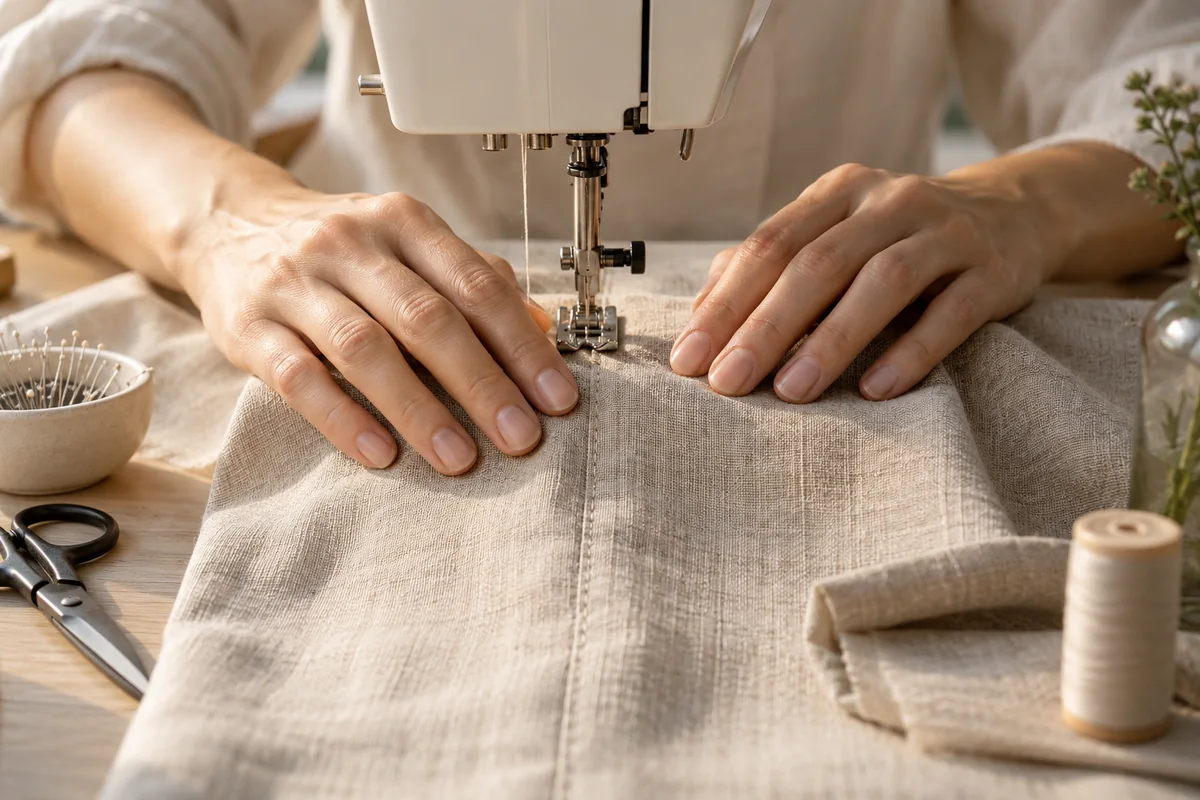
Repair, alter or replace a garment?
Compare whole-piece condition, feasibility and useful cost.
Plan laundry from garment labels
Group clothes according to their actual washing and drying constraints.
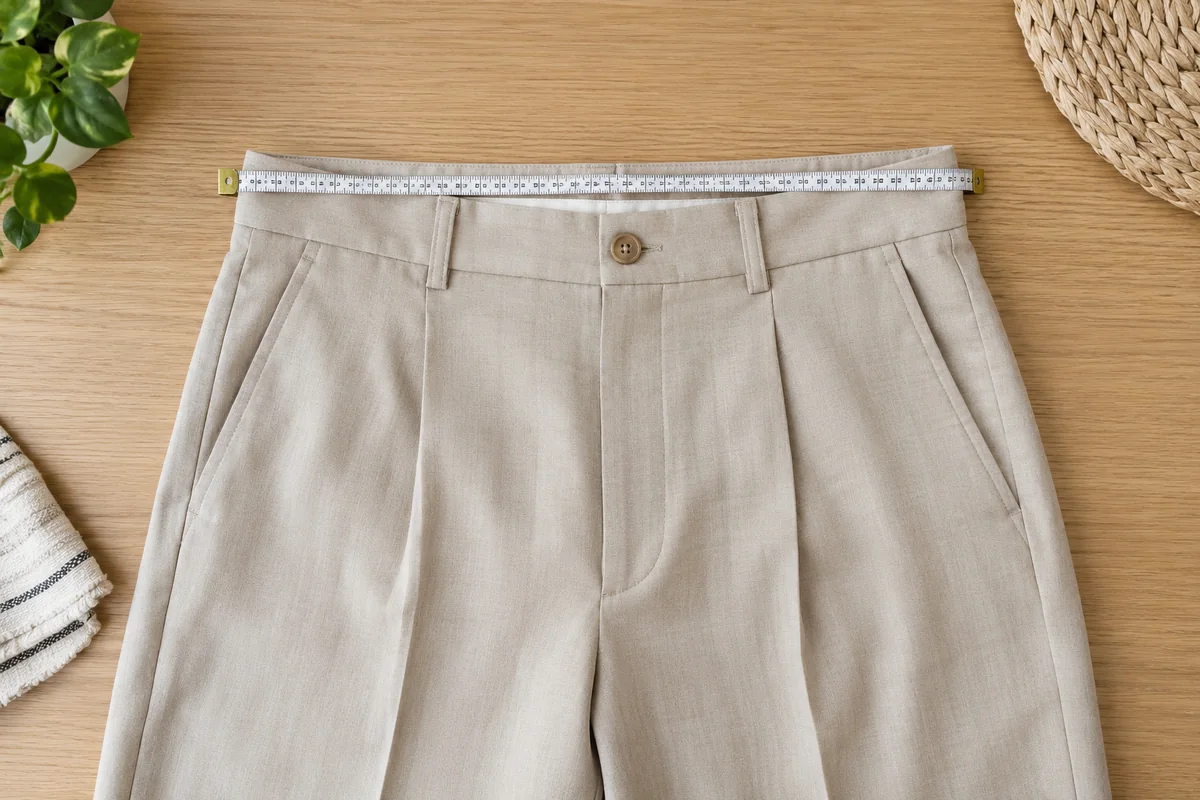
Write a useful second-hand clothing listing
Document photographs, measurements and flaws without claiming unverified quality.
Understand ingredients and materials
Viscose
A regenerated cellulose fibre made by the viscose process.
Explore ↗Textile fibresLyocell
Regenerated cellulose fibre made through dissolution and organic-solvent spinning.
Explore ↗Textile fibresModal
A regenerated cellulose fibre, distinct from cotton.
Explore ↗Textile fibresHemp
A plant fibre from the hemp stem.
Explore ↗Textile fibresCashmere
Cashmere is hair from the kashmir goat in European nomenclature, distinct from sheep wool.
Explore ↗Textile fibresCupro
Cupro is regenerated cellulose obtained by the cuprammonium process in the European definition.
Explore ↗Textile fibresAcetate
Acetate is a cellulose acetate fibre in European nomenclature, chemically distinct from triacetate.
Explore ↗AI-generated illustration · does not depict a tested product or an identified real person
Practical methods without rankings or guaranteed results.
Institutional sources, limitations and consultation dates.
Ideas to adapt to your taste, needs and budget.