
Colours & fit
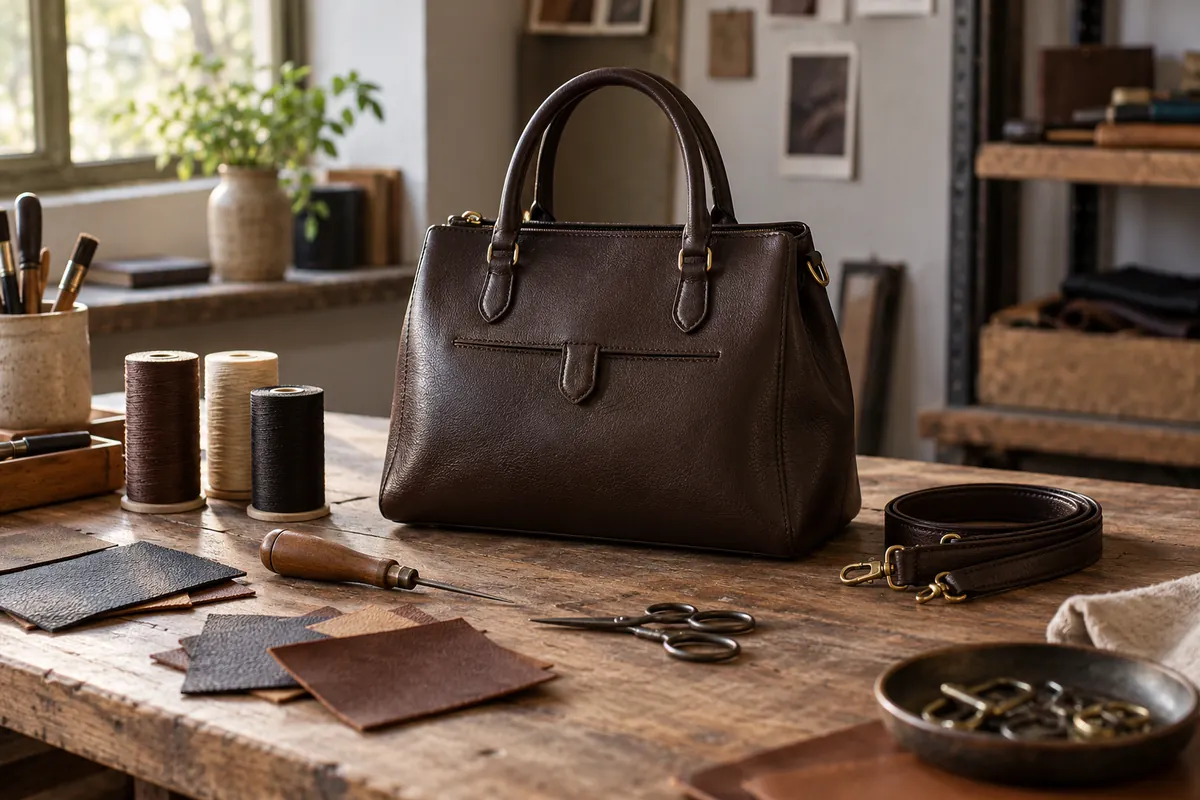
Observe colour and test fit rather than follow a universal formula.
Where to start
Separate body measures, garment measures and fit preference. Compare with a worn piece and test movement; retail size cannot express all ease.
Returning clothes or cosmetics bought online in the EU
Check who sold the item, when your withdrawal period ends and whether a seal matters. Keep a record of your withdrawal and return shipment.

Combine colours without rigid rules
A visual exercise for a personal, reusable palette.
Try on clothing: details that matter
Assess comfort and fit in motion beyond the size label.

Compare measurements for online clothing purchases
Understand charts and ask for useful dimensions.

Trying shoes: compare the complete pair
Plan a use-specific trial and document unknowns.
Choose your next step
Start with what is holding you back: each row offers a practical check and a guide to help you move forward.
| Your situation | Check before deciding | Useful guide |
|---|---|---|
| Uncertain sizing online | Compare the same measurement points with a comfortable reference garment. | Compare measurements for online clothing purchases ↗ |
| A shoe material | Identify whether the label refers to the upper, inside or outer sole. | Trying shoes: compare the complete pair ↗ |
Understand ingredients and materials
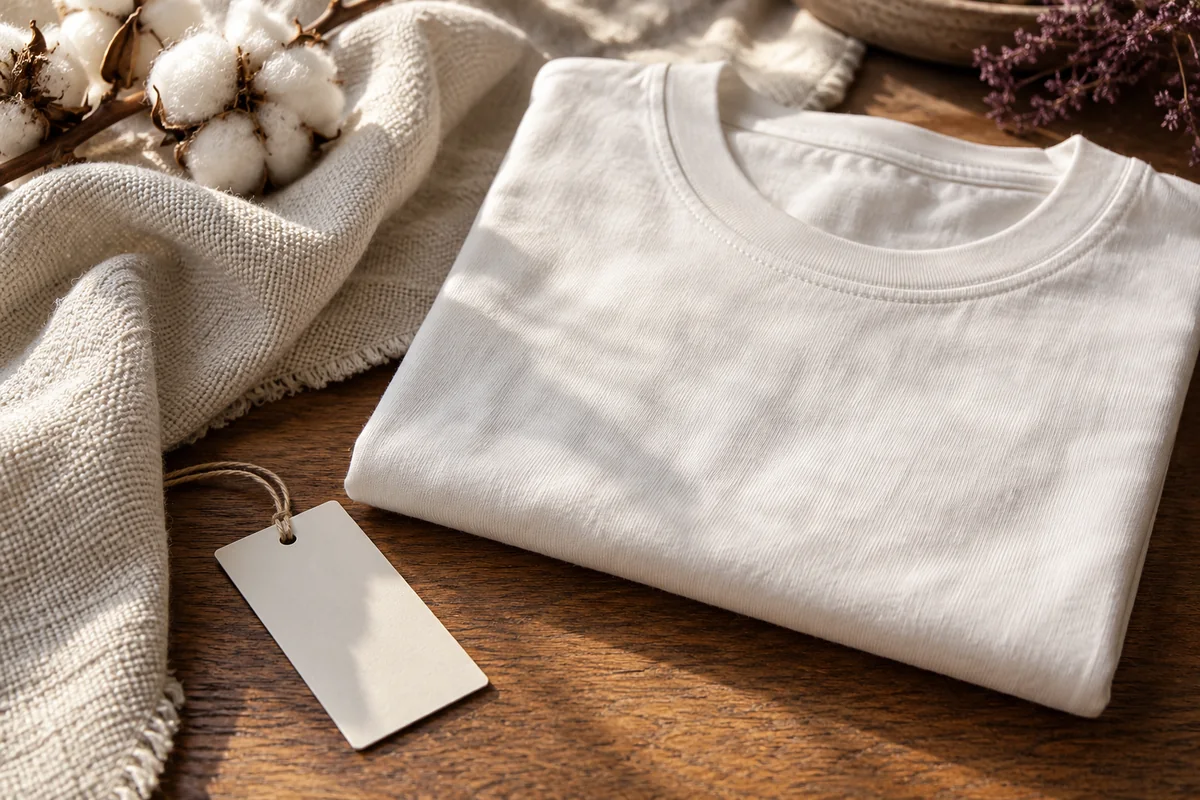 Textile fibres
Cotton
A plant fibre from cotton-plant seeds.
Explore ↗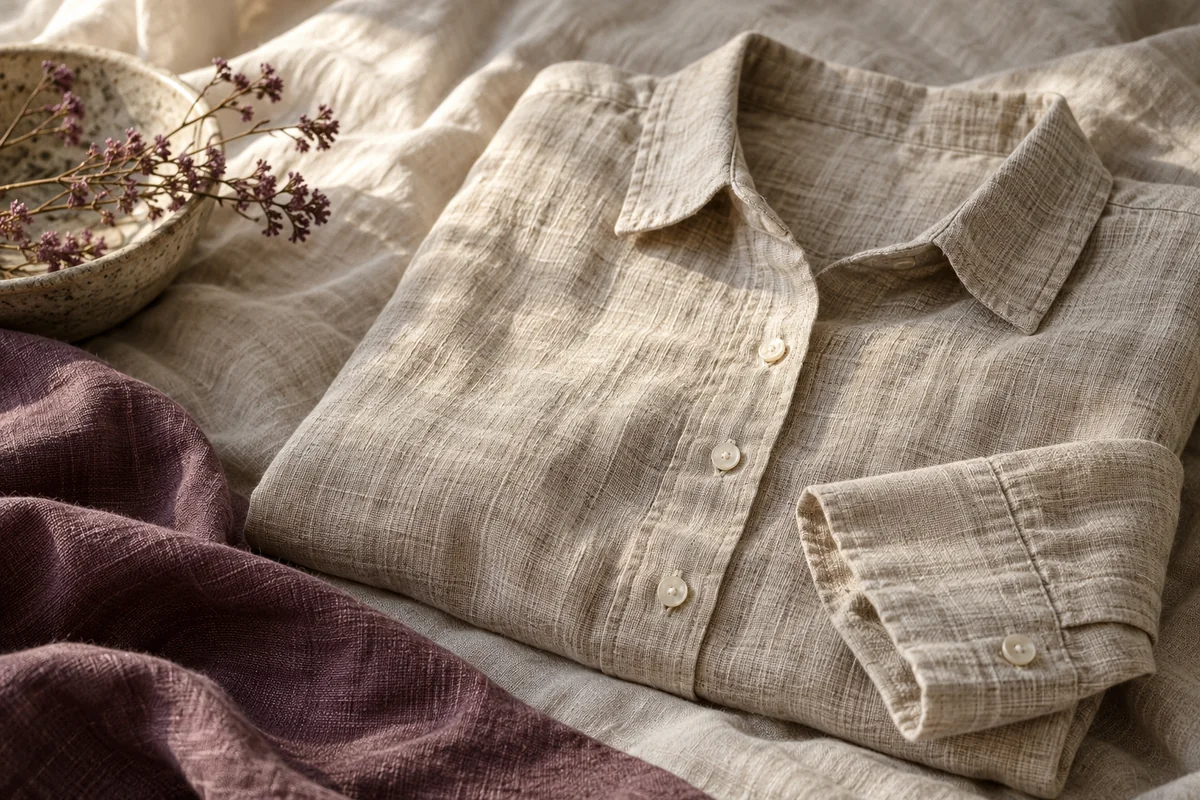 Textile fibres
Linen
A plant fibre from flax stems.
Explore ↗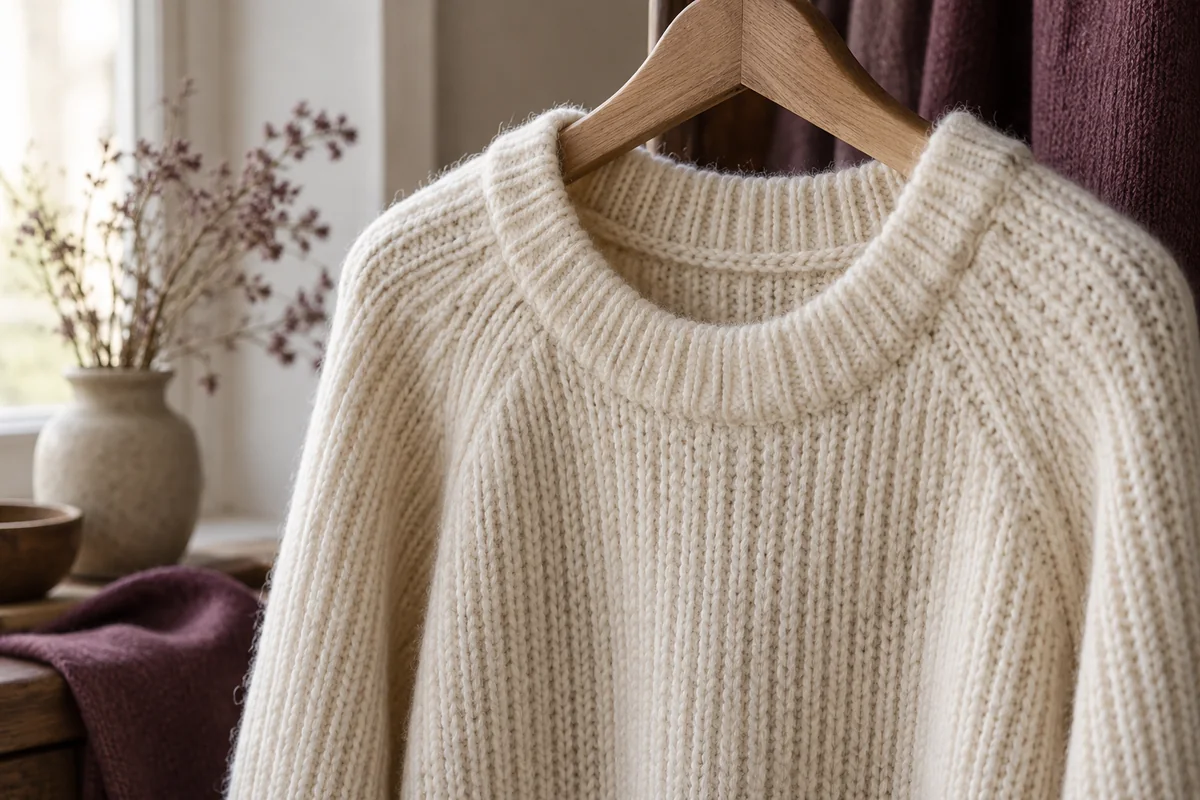 Textile fibres
Wool
A natural fibre from sheep fleece.
Explore ↗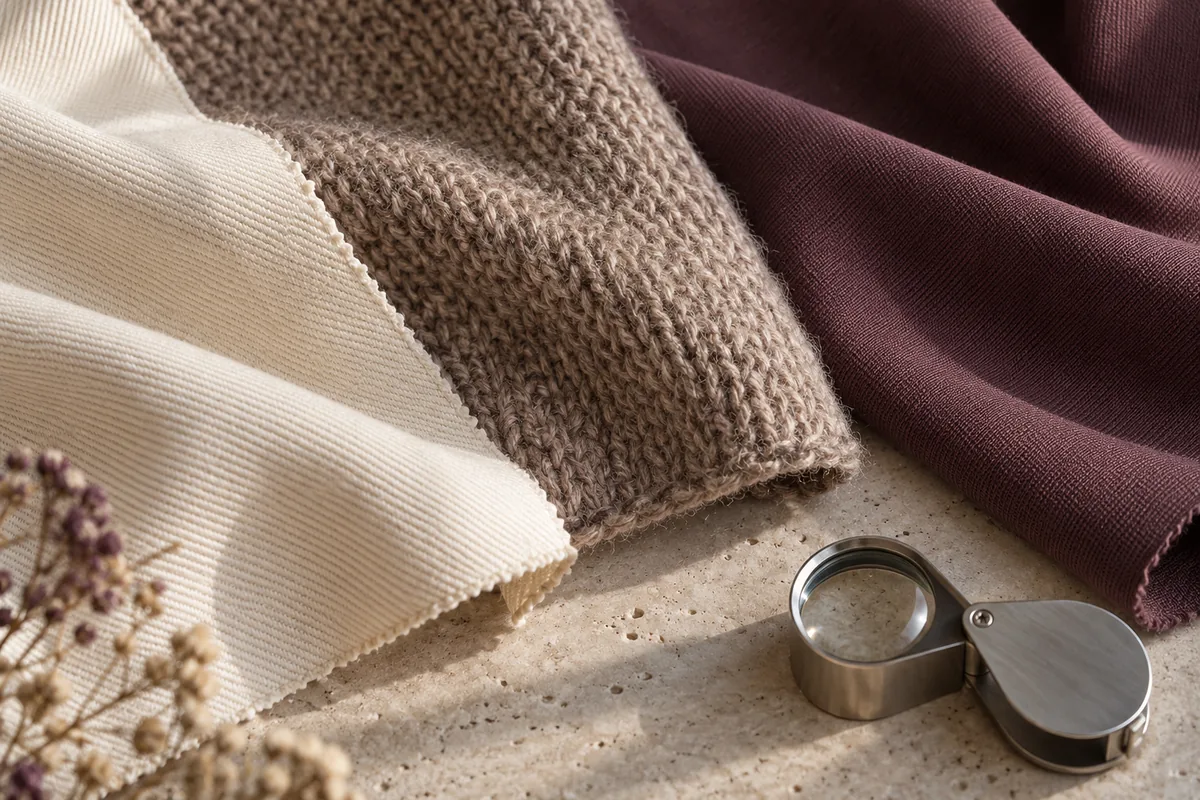
Elastane
A synthetic elastic fibre often used in blends.
Explore ↗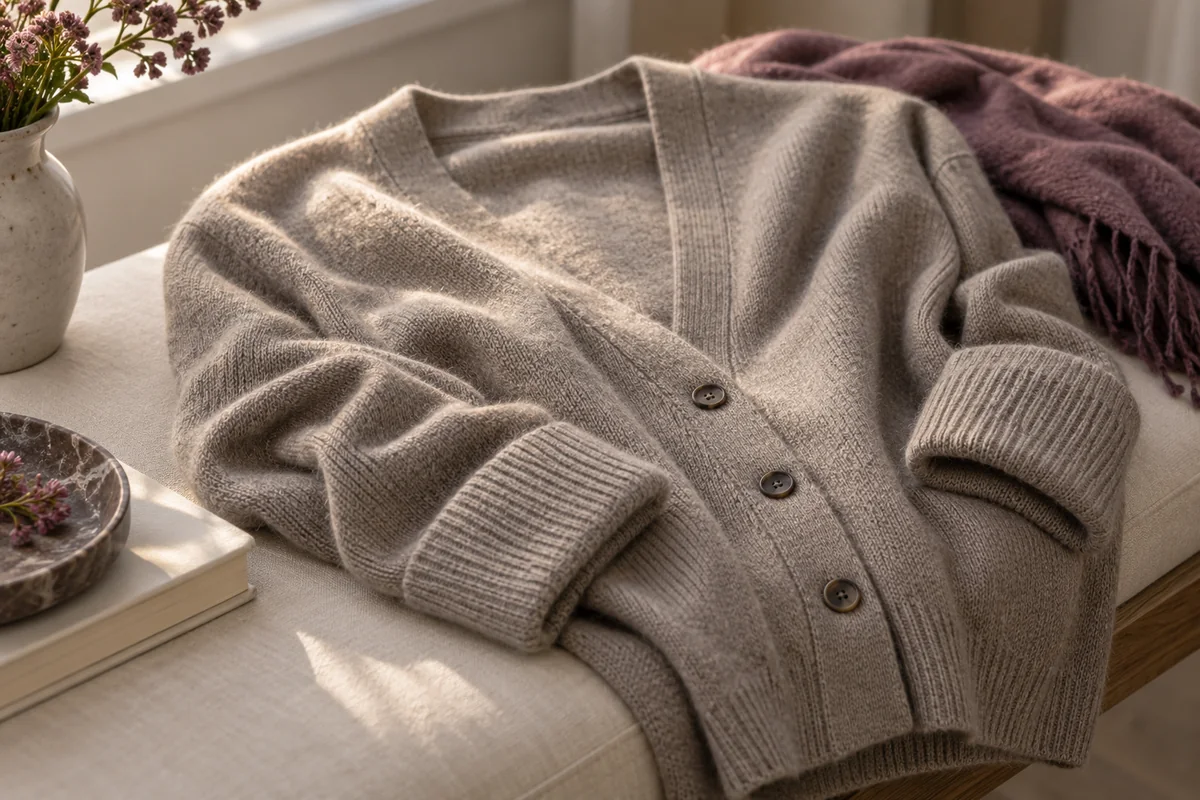 Textile fibres
Cashmere
Cashmere is hair from the kashmir goat in European nomenclature, distinct from sheep wool.
Explore ↗
Cupro
Cupro is regenerated cellulose obtained by the cuprammonium process in the European definition.
Explore ↗
Acetate
Acetate is a cellulose acetate fibre in European nomenclature, chemically distinct from triacetate.
Explore ↗