
Wardrobe & budget
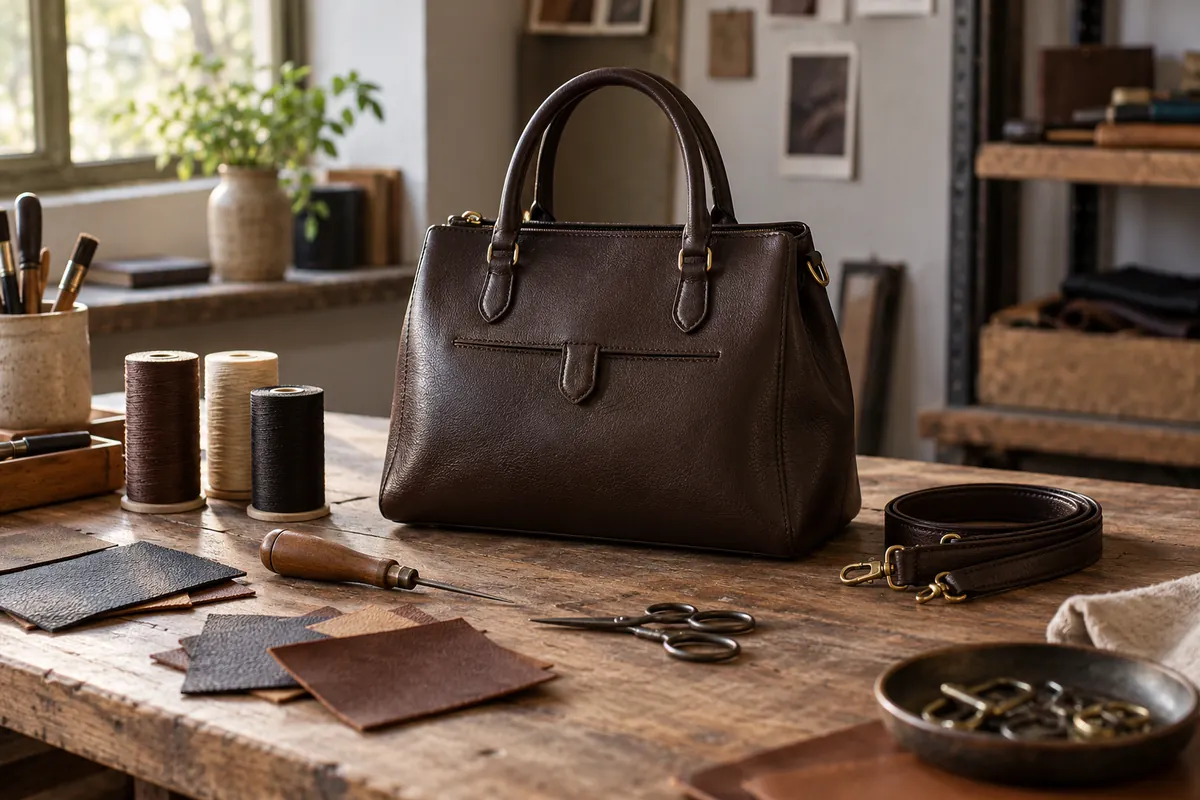
Start with what you own and compare purchases with expected use.
Where to start
Start with worn outfits and real days covered. Cost per wear explores an assumption but cannot justify an unaffordable purchase.
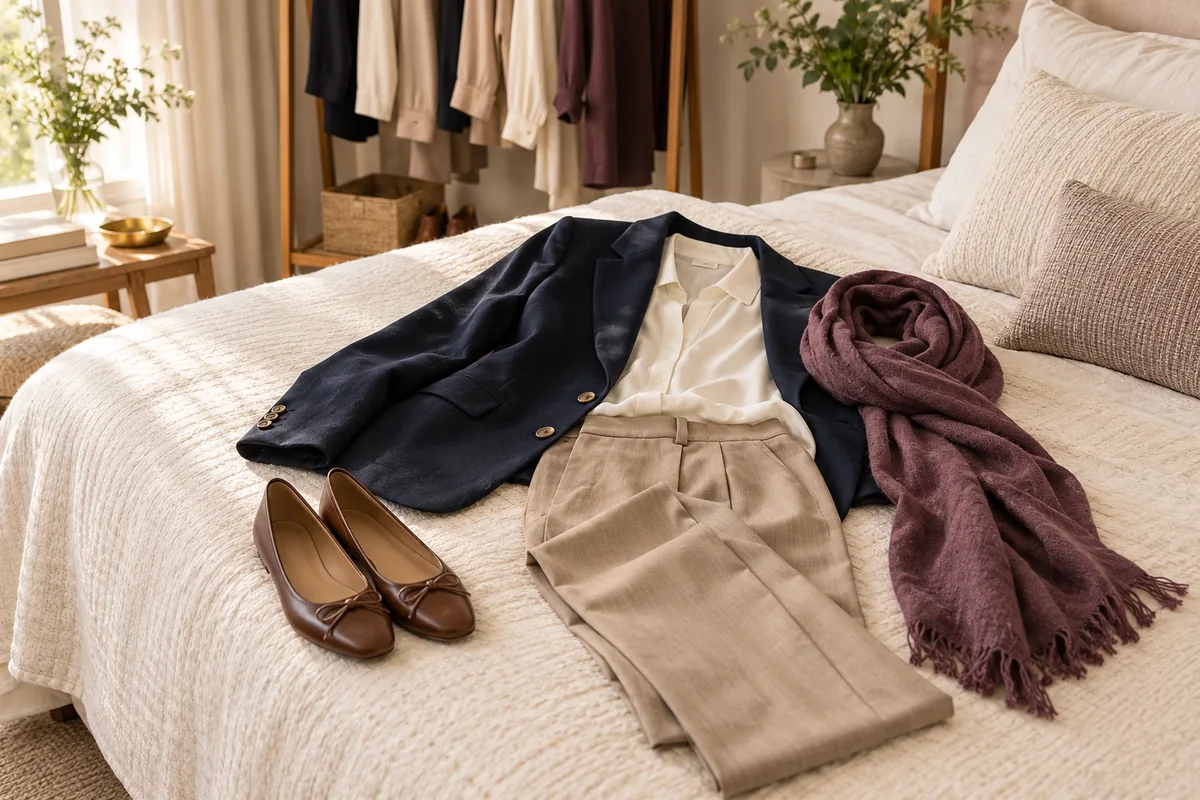
Build a capsule wardrobe without starting over
Make more outfits from clothes you already own.
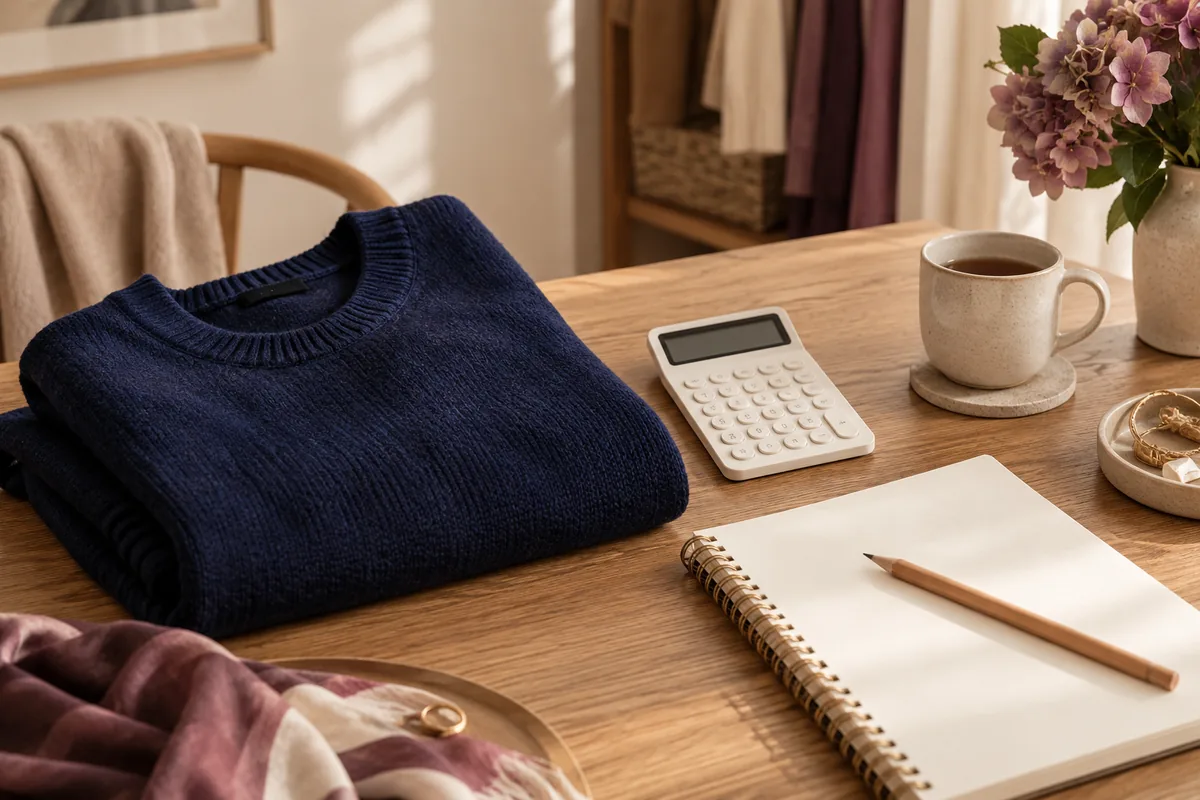
Fashion budget: purchase price or cost per wear?
Compare expected use without confusing economy and quality.
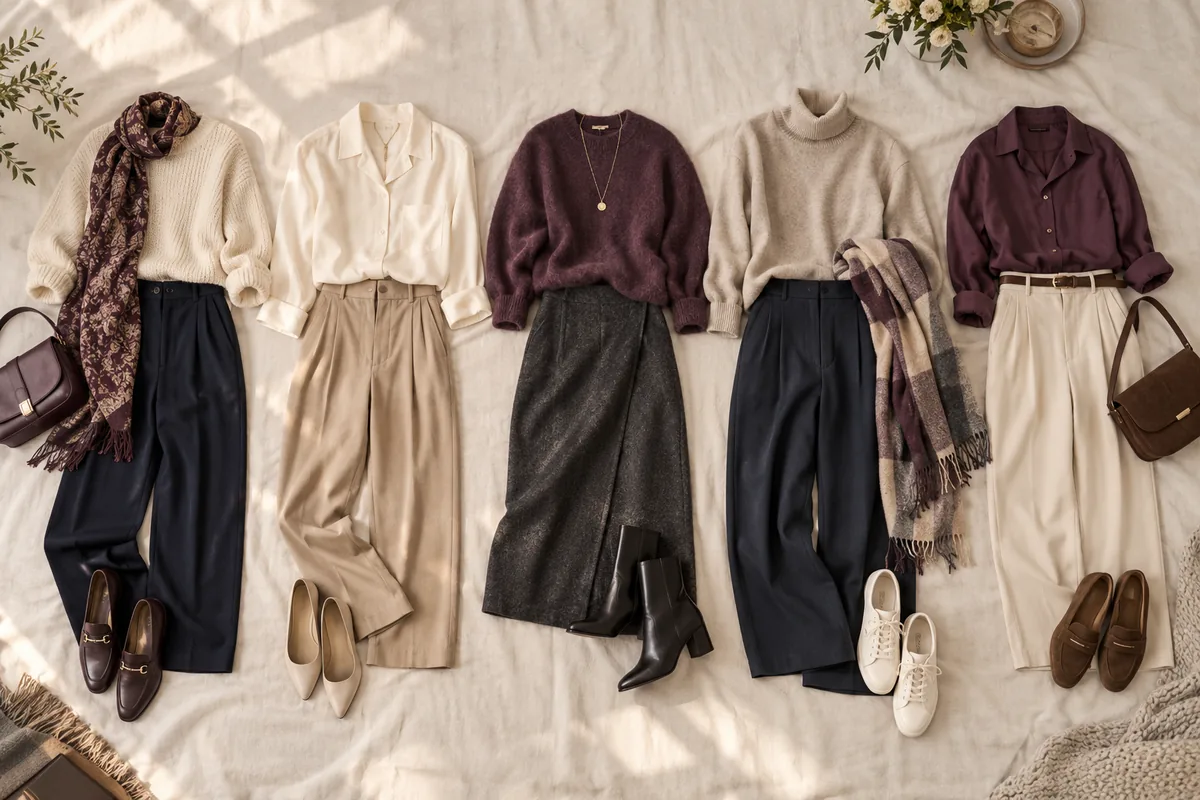
Plan five outfits from your own wardrobe
Try complete combinations for a realistic week and identify specific gaps.
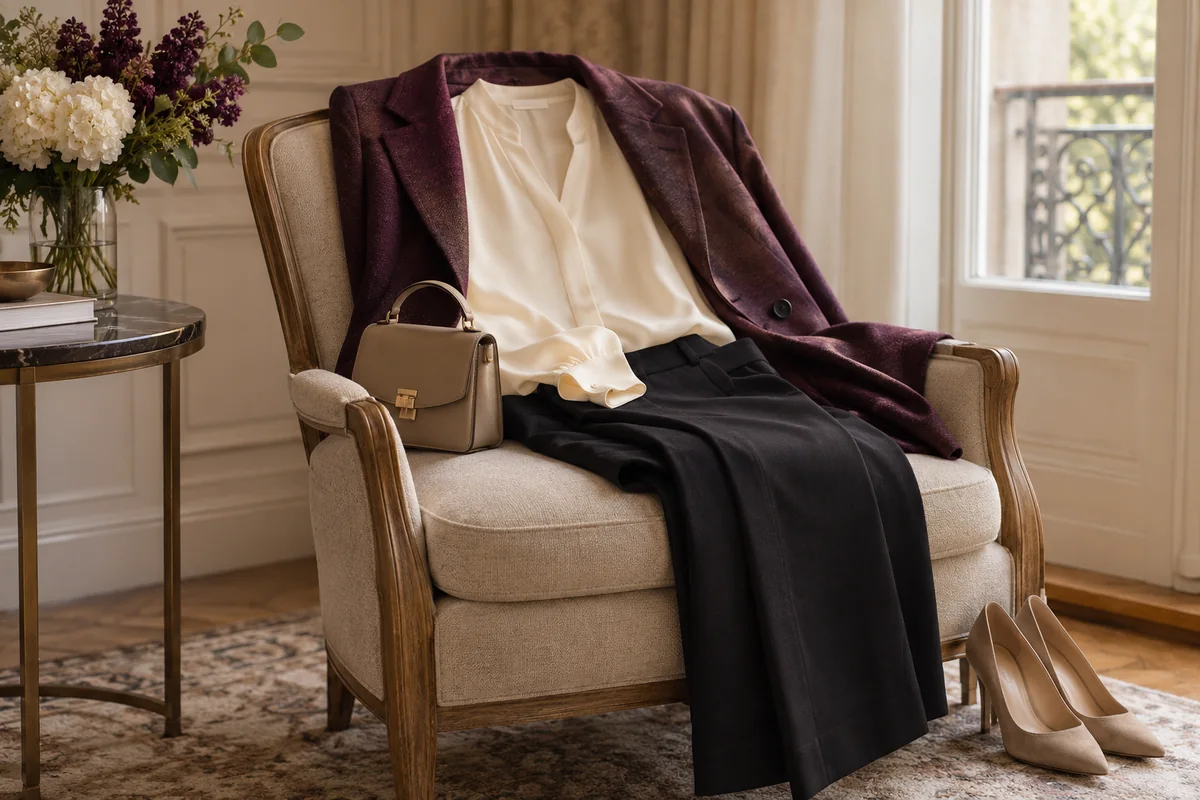
Occasion outfit: borrow, rent or buy?
Compare availability, fit, costs and constraints before choosing.

Video-call outfit: check screen and comfort
Plan an outfit using a framing trial in your space.
Choose your next step
Start with what is holding you back: each row offers a practical check and a guide to help you move forward.
| Your situation | Check before deciding | Useful guide |
|---|---|---|
| Many clothes, few outfits | Try complete combinations using pieces available this week. | Plan five outfits from your own wardrobe ↗ |
| One planned occasion | Compare borrowing, rental and purchase constraints before looking at price alone. | Occasion outfit: borrow, rent or buy? ↗ |
Understand ingredients and materials
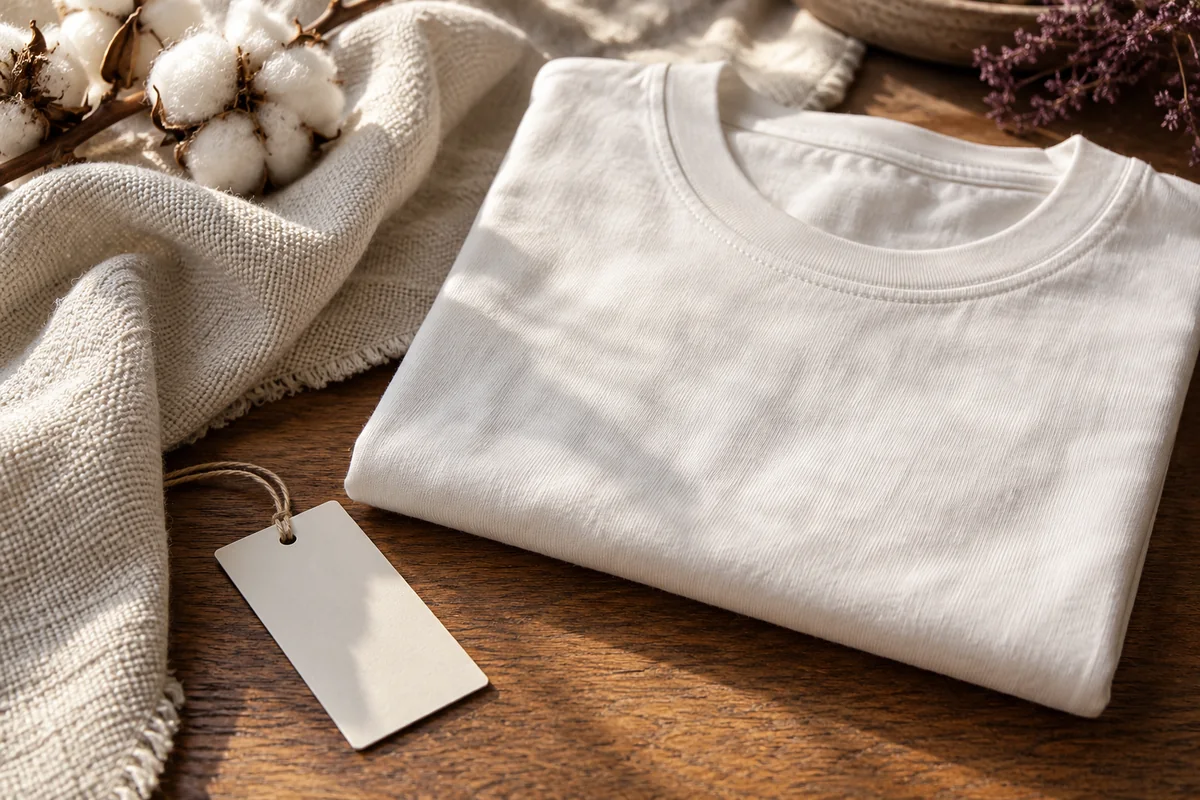 Textile fibres
Cotton
A plant fibre from cotton-plant seeds.
Explore ↗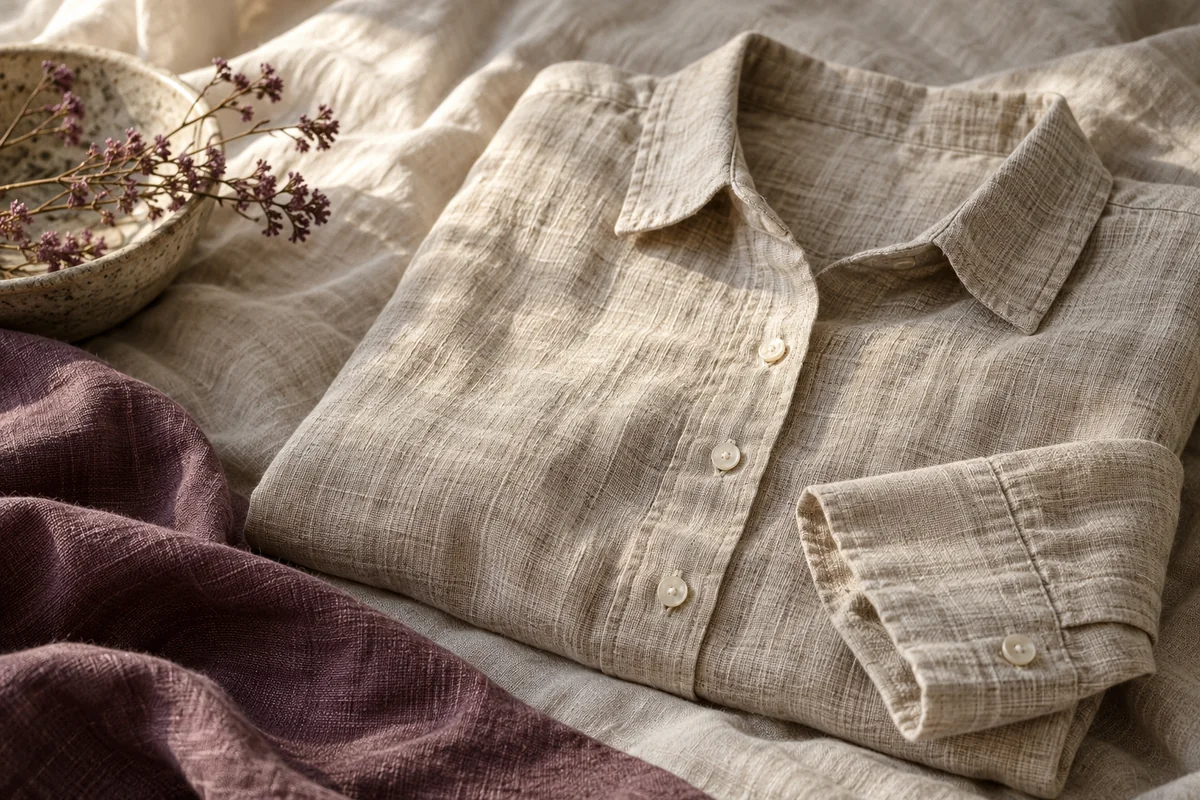 Textile fibres
Linen
A plant fibre from flax stems.
Explore ↗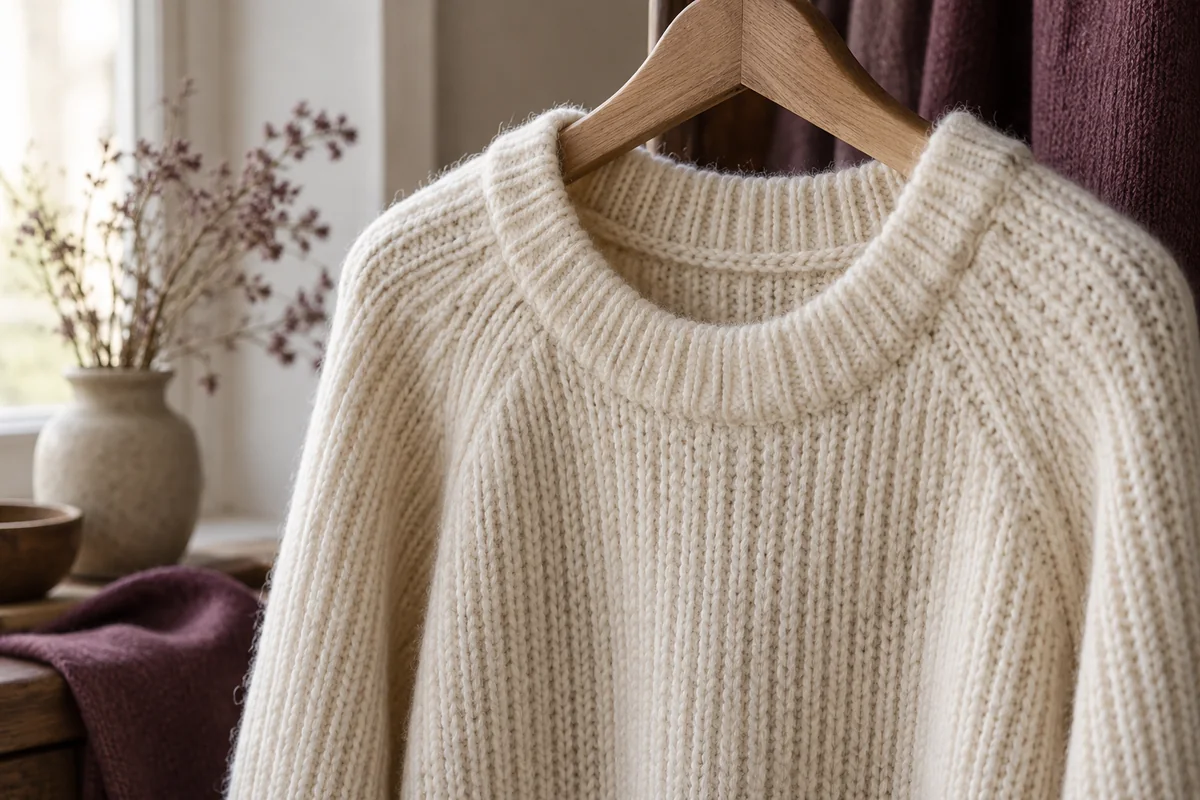 Textile fibres
Wool
A natural fibre from sheep fleece.
Explore ↗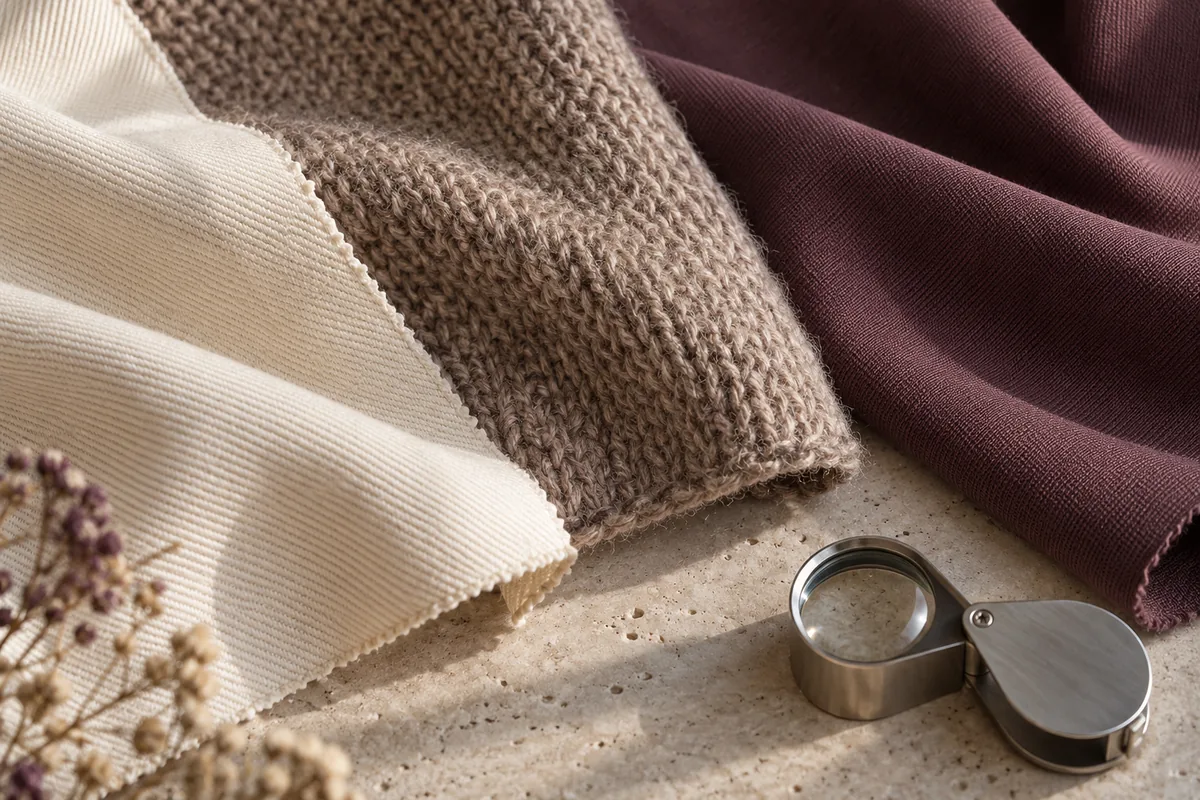
Elastane
A synthetic elastic fibre often used in blends.
Explore ↗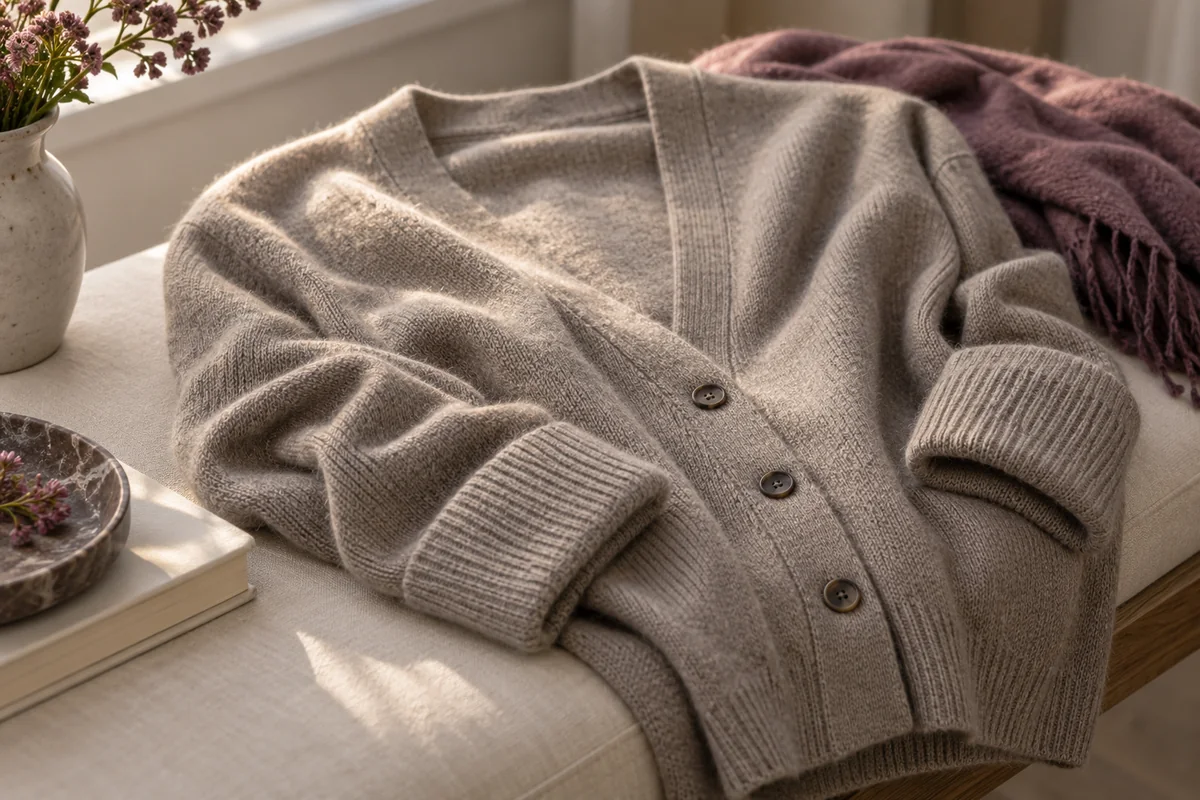 Textile fibres
Cashmere
Cashmere is hair from the kashmir goat in European nomenclature, distinct from sheep wool.
Explore ↗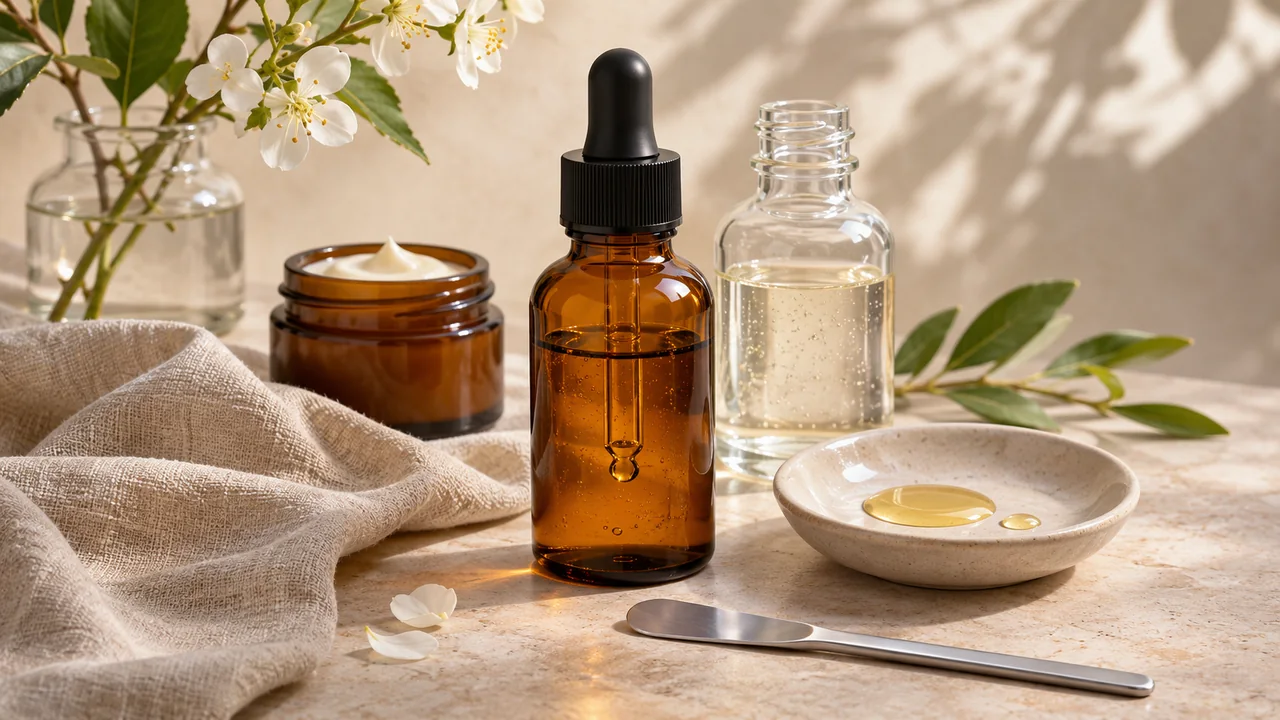
Cupro
Cupro is regenerated cellulose obtained by the cuprammonium process in the European definition.
Explore ↗
Acetate
Acetate is a cellulose acetate fibre in European nomenclature, chemically distinct from triacetate.
Explore ↗