
Textile fibres
Distinguish fibres, uses and care requirements before buying a garment.
Reference names are sourced; selection advice is editorial. An ingredient function establishes neither tolerance nor formula effectiveness. A fibre alone does not determine garment quality.

Compare entries
Choose two or three entries of the same type. Compare characteristics and limitations without a quality ranking.
21 entries

Elastomultiester
A synthetic stretch fibre that can appear alongside elastane and polyester on a clothing label.
Explore ↗ Textile fibres
Cotton
A plant fibre from cotton-plant seeds.
Explore ↗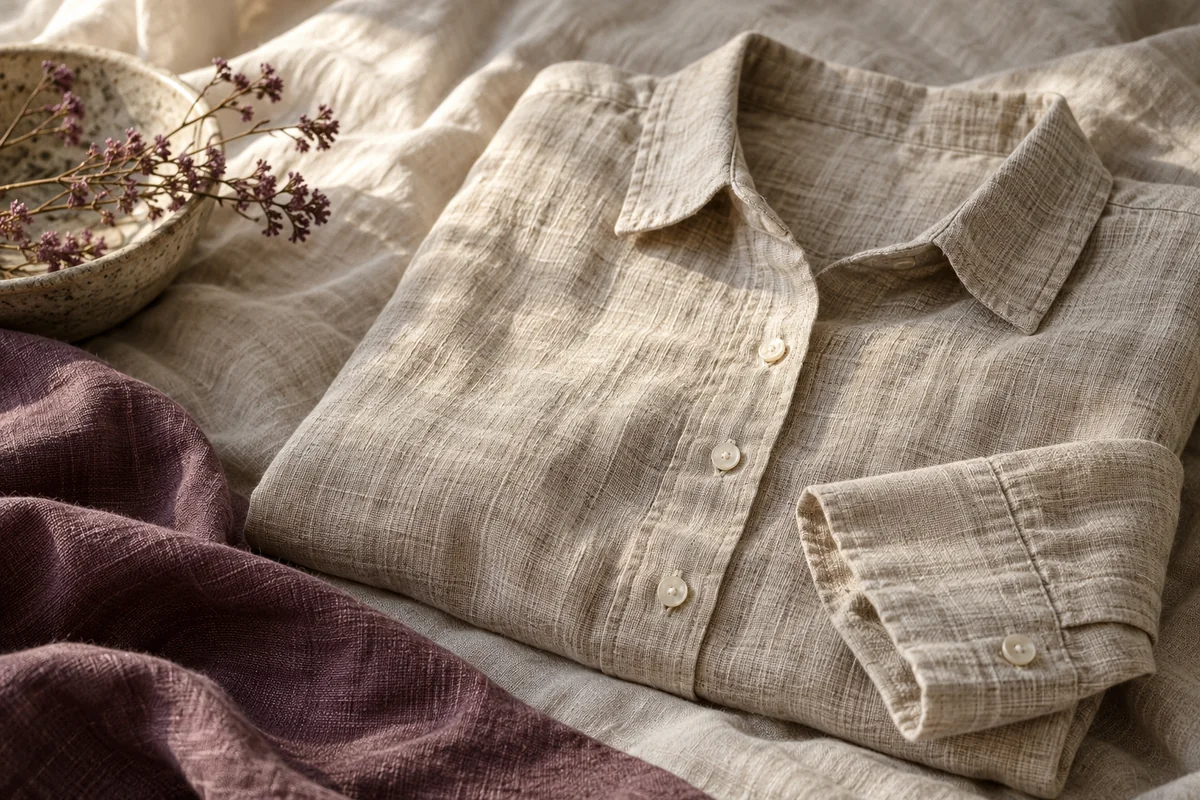 Textile fibres
Linen
A plant fibre from flax stems.
Explore ↗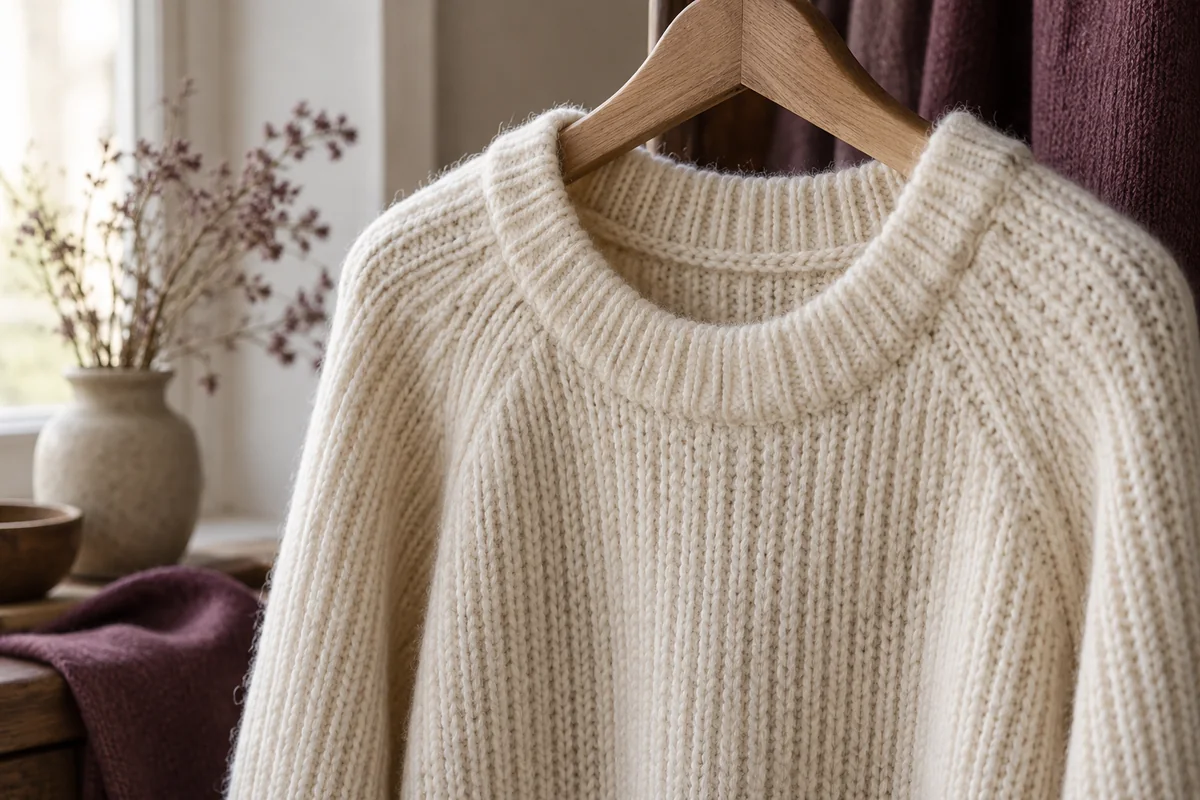 Textile fibres
Wool
A natural fibre from sheep fleece.
Explore ↗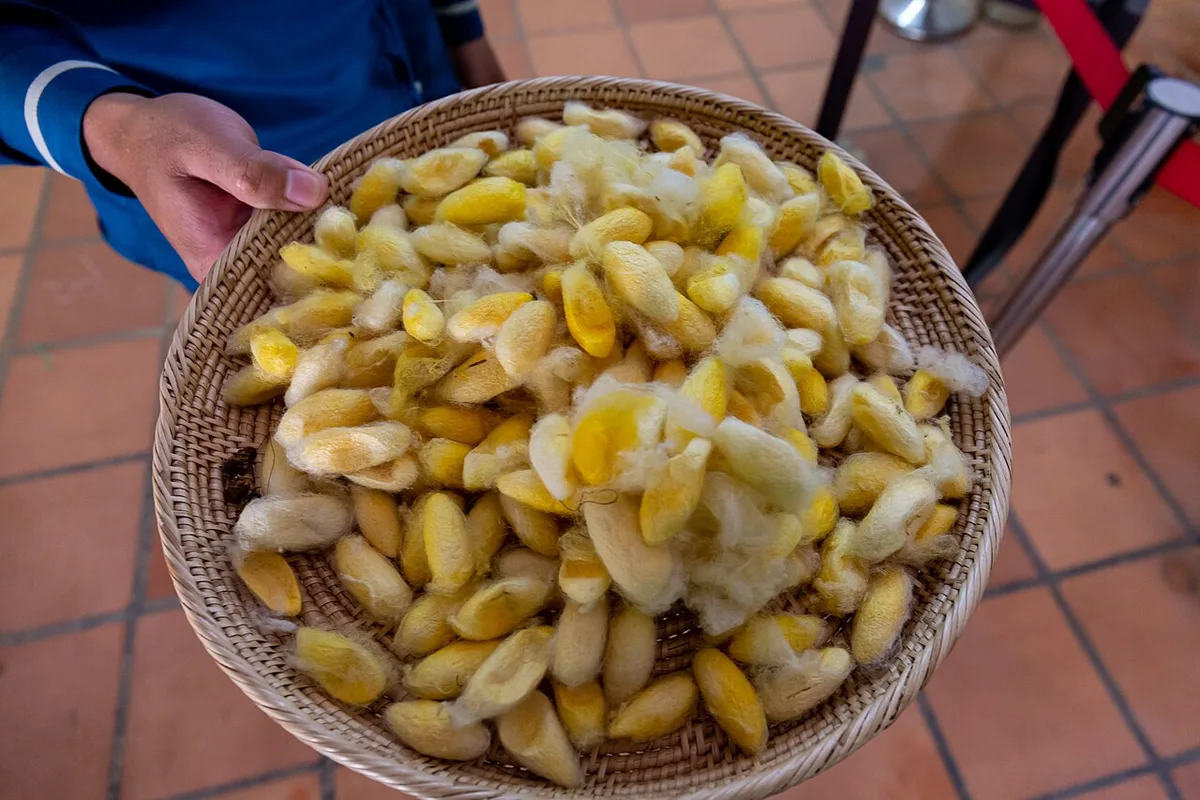 Textile fibres
Silk
An animal fibre produced by silk-secreting insects.
Explore ↗ Textile fibres
Viscose
A regenerated cellulose fibre made by the viscose process.
Explore ↗
Lyocell
Regenerated cellulose fibre made through dissolution and organic-solvent spinning.
Explore ↗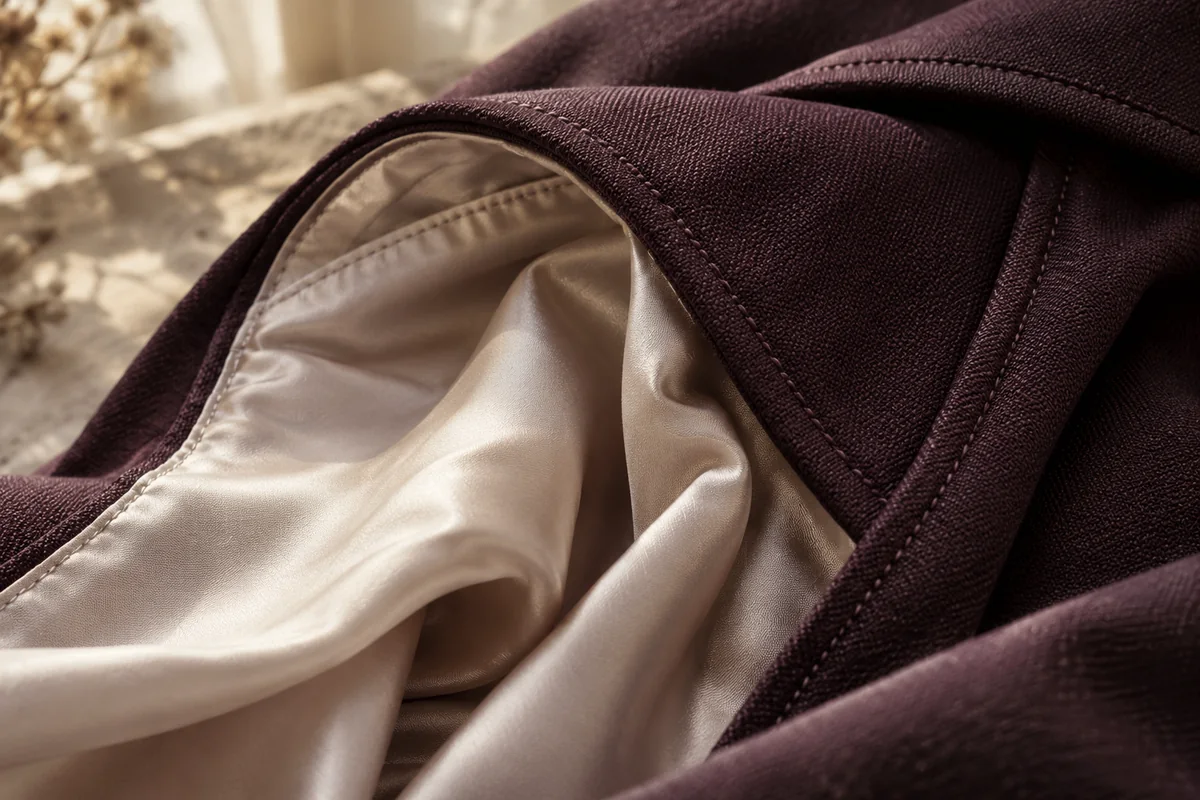 Textile fibres
Polyester
A synthetic fibre family with varied uses.
Explore ↗
Polyamide
A synthetic fibre also described as nylon in textile references.
Explore ↗
Elastane
A synthetic elastic fibre often used in blends.
Explore ↗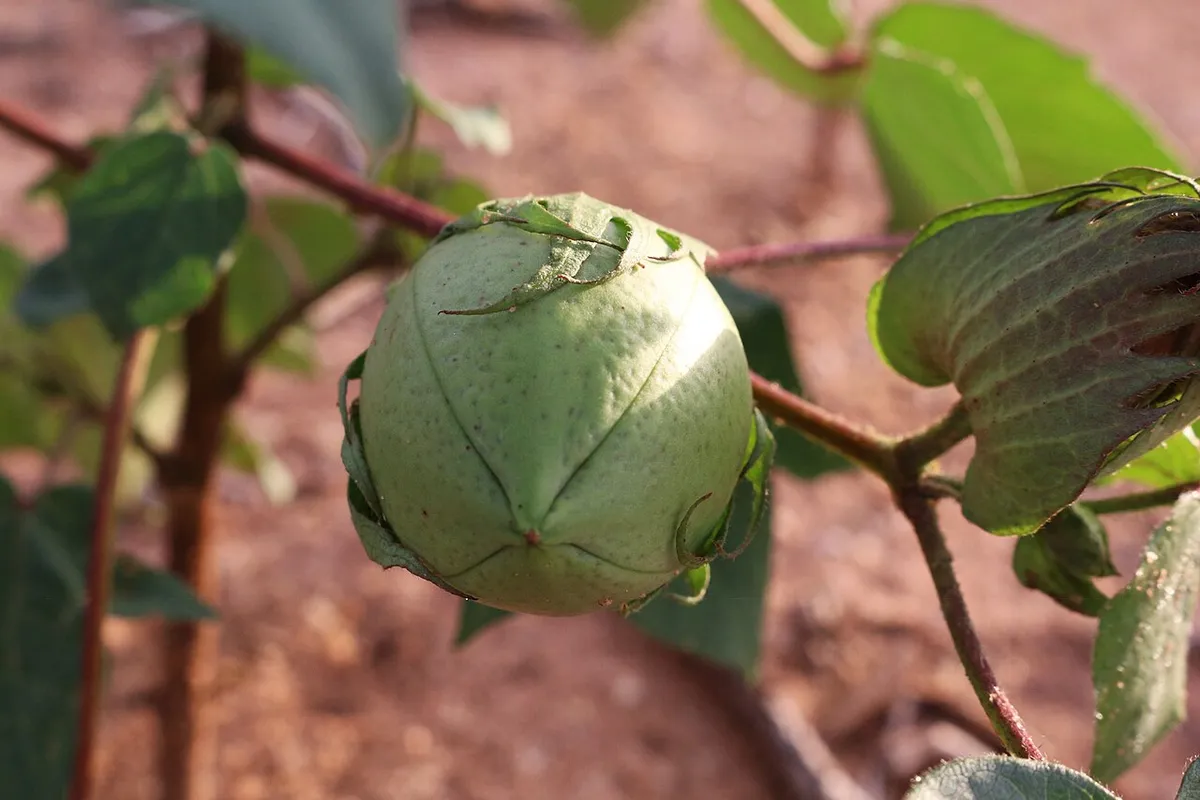
Modal
A regenerated cellulose fibre, distinct from cotton.
Explore ↗
Acrylic
A synthetic fibre used in knitted fabrics among other applications.
Explore ↗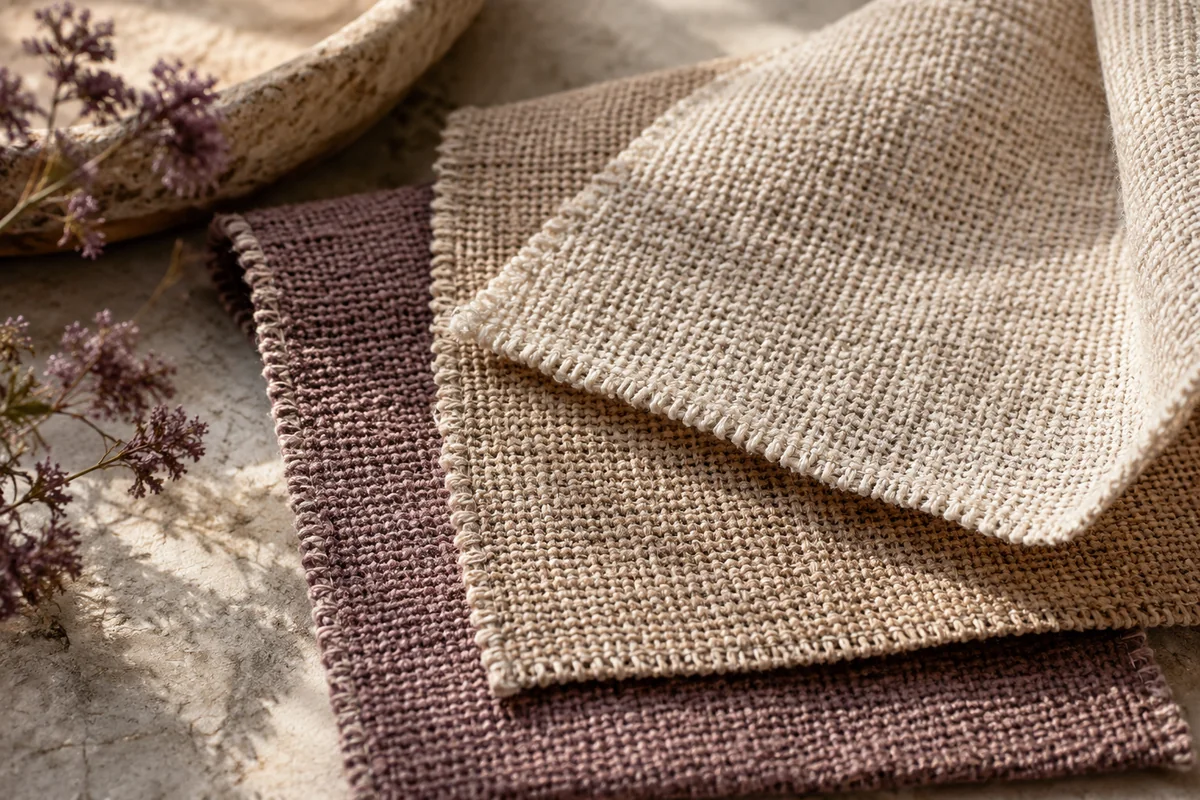 Textile fibres
Hemp
A plant fibre from the hemp stem.
Explore ↗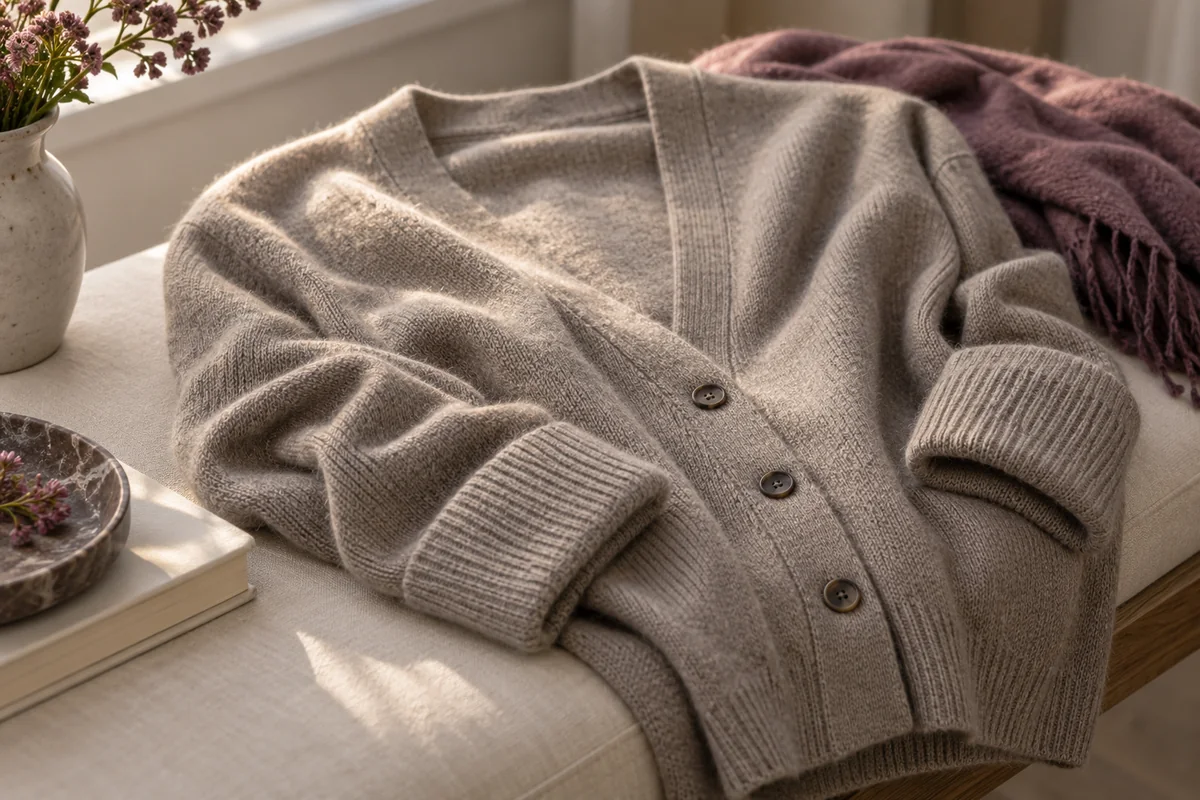 Textile fibres
Cashmere
Cashmere is hair from the kashmir goat in European nomenclature, distinct from sheep wool.
Explore ↗
Cupro
Cupro is regenerated cellulose obtained by the cuprammonium process in the European definition.
Explore ↗
Acetate
Acetate is a cellulose acetate fibre in European nomenclature, chemically distinct from triacetate.
Explore ↗
Ramie
Plant bast fibre from Boehmeria nivea and Boehmeria tenacissima.
Explore ↗
Mohair
Animal fibre from the angora goat.
Explore ↗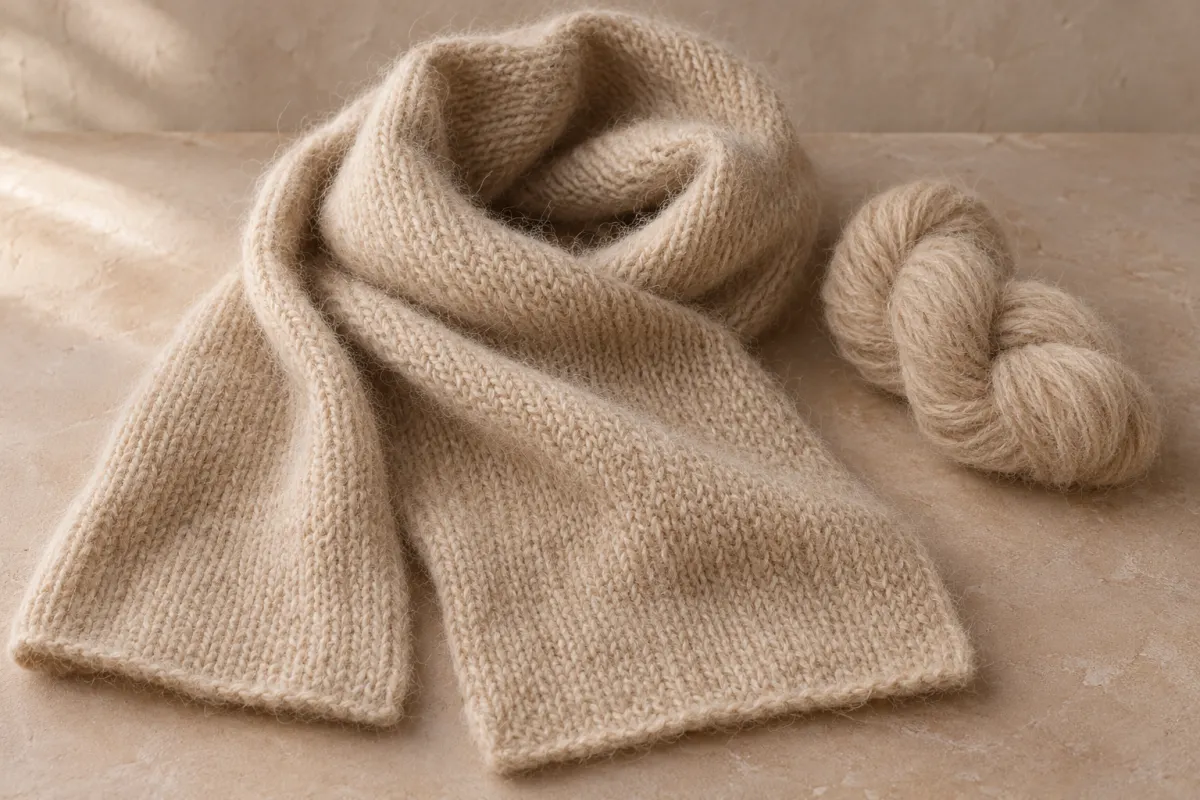 Textile fibres
Alpaca
An animal fibre from the hair of the alpaca.
Explore ↗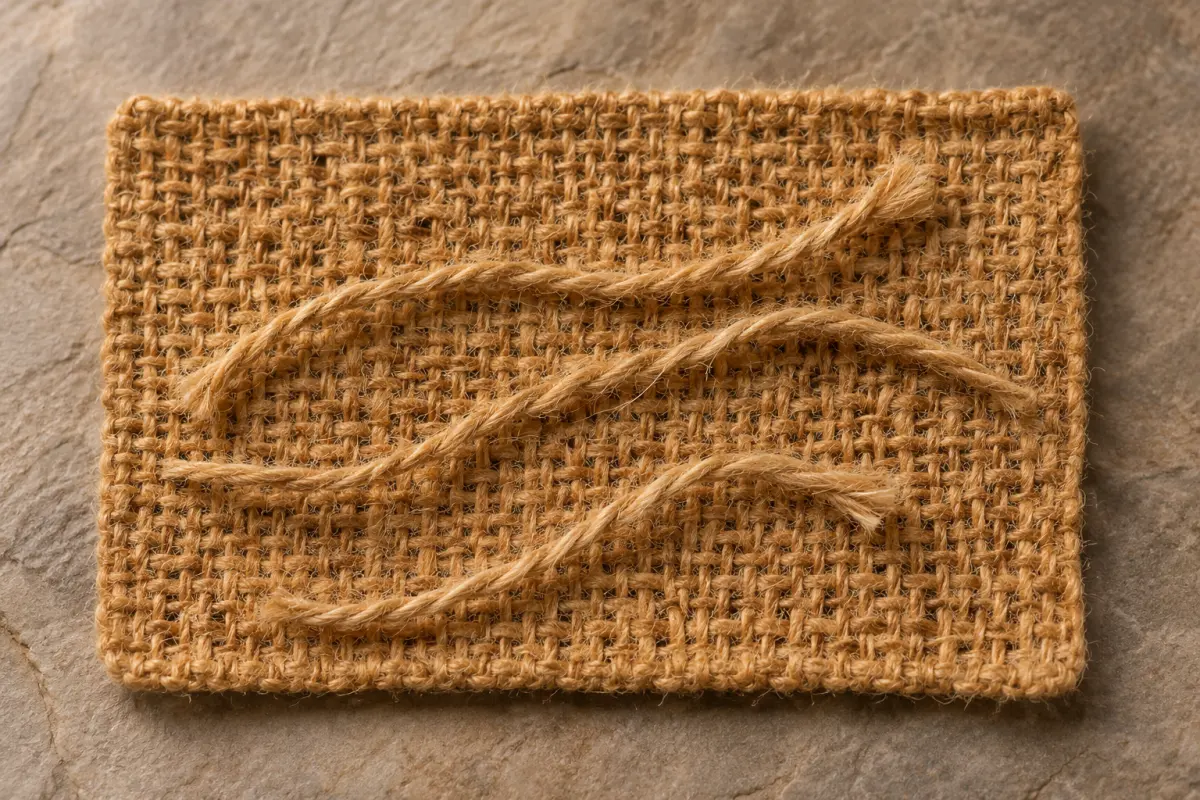 Textile fibres
Jute
A plant fibre primarily obtained from the stems of two Corchorus species.
Explore ↗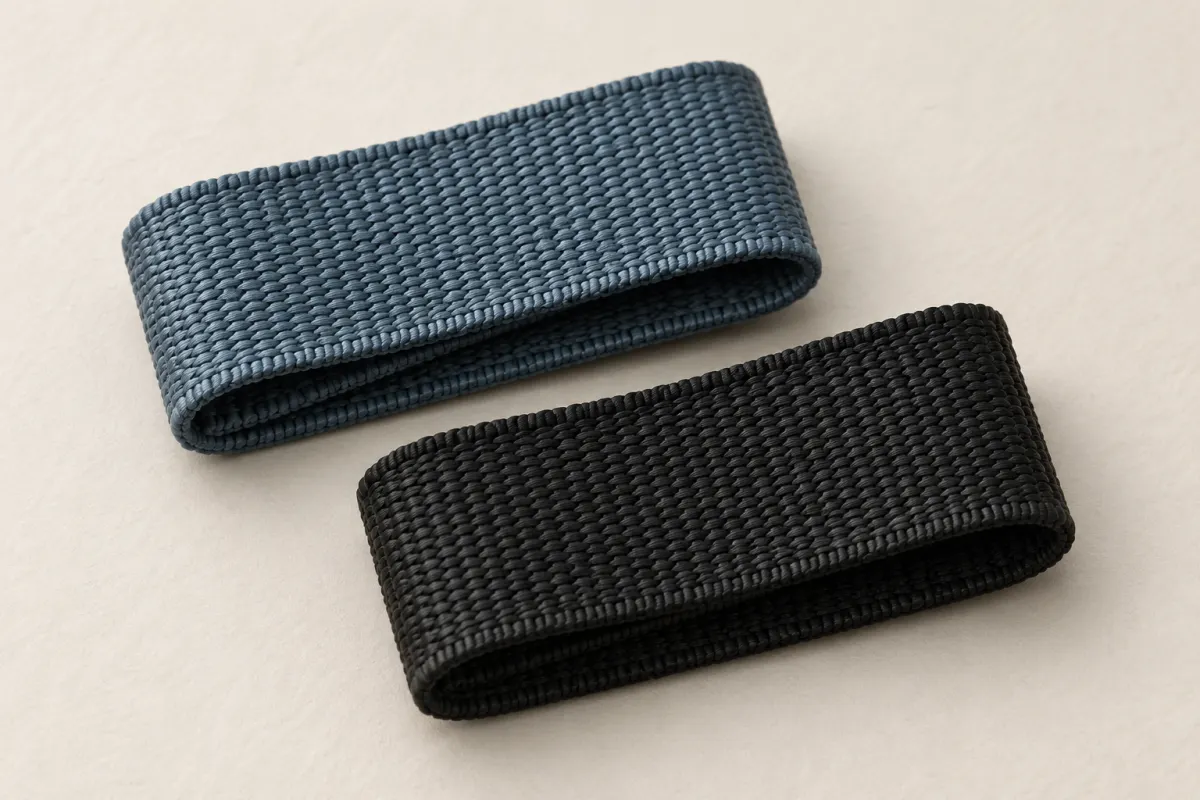 Textile fibres
Polypropylene
A synthetic fibre distinct from polyester and polyamide.
Explore ↗Compare two fibre compositions
Enter up to three fibres for the same component of each garment. Compare shells with shells, or linings with linings. Each composition must total exactly 100%.
Fictional example: 95% cotton in A and 80% in B give a cotton difference of −15 points. A fibre absent from the entered list counts as 0%.
Compare entries · Ingredients & materials
| Reference name | Material family | Role and characteristics |
|---|---|---|
| Elastomultiester | Synthetic fibre | A synthetic stretch fibre that can appear alongside elastane and polyester on a clothing label. |
| Cotton | Plant fibre | A plant fibre from cotton-plant seeds. |
| Linen | Plant fibre | A plant fibre from flax stems. |
| Wool | Animal fibre | A natural fibre from sheep fleece. |
| Silk | Animal fibre | An animal fibre produced by silk-secreting insects. |
| Viscose | Regenerated cellulose | A regenerated cellulose fibre made by the viscose process. |
| Lyocell | Regenerated cellulose | Regenerated cellulose fibre made through dissolution and organic-solvent spinning. |
| Polyester | Synthetic fibre | A synthetic fibre family with varied uses. |
| Polyamide | Synthetic fibre | A synthetic fibre also described as nylon in textile references. |
| Elastane | Synthetic fibre | A synthetic elastic fibre often used in blends. |
| Modal | Regenerated cellulose | A regenerated cellulose fibre, distinct from cotton. |
| Acrylic | Synthetic fibre | A synthetic fibre used in knitted fabrics among other applications. |
| Hemp | Plant fibre | A plant fibre from the hemp stem. |
| Cashmere | Animal fibre | Cashmere is hair from the kashmir goat in European nomenclature, distinct from sheep wool. |
| Cupro | Manufactured cellulosic fibre | Cupro is regenerated cellulose obtained by the cuprammonium process in the European definition. |
| Acetate | Manufactured cellulosic fibre | Acetate is a cellulose acetate fibre in European nomenclature, chemically distinct from triacetate. |
| Ramie | Plant fibre | Plant bast fibre from Boehmeria nivea and Boehmeria tenacissima. |
| Mohair | Animal fibre | Animal fibre from the angora goat. |
| Alpaca | Animal fibre | An animal fibre from the hair of the alpaca. |
| Jute | Plant fibre | A plant fibre primarily obtained from the stems of two Corchorus species. |
| Polypropylene | Synthetic fibre | A synthetic fibre distinct from polyester and polyamide. |